Three days before the Vierdaagse I traveled to Nijmegen to visit new places, make some miles and hunt some tiles. The road between the fortified towns of Heusden and Geertruidenberg took me through the Overdiepse Polder. In Geertruidenberg I discovered the huge cooling tower hiding behind the village. Then I met a bunch of very polite sheep who insisted to continue forward only after I did. (After you sir!) I crossed the Hollandsch Diep at Moerdijk, spotted the many P type bunkers of Groep Kil, and rode up one bridge after another to pass the dense river network east of Rotterdam: Merwede, Noord, Nieuwe Maas, and IJssel.
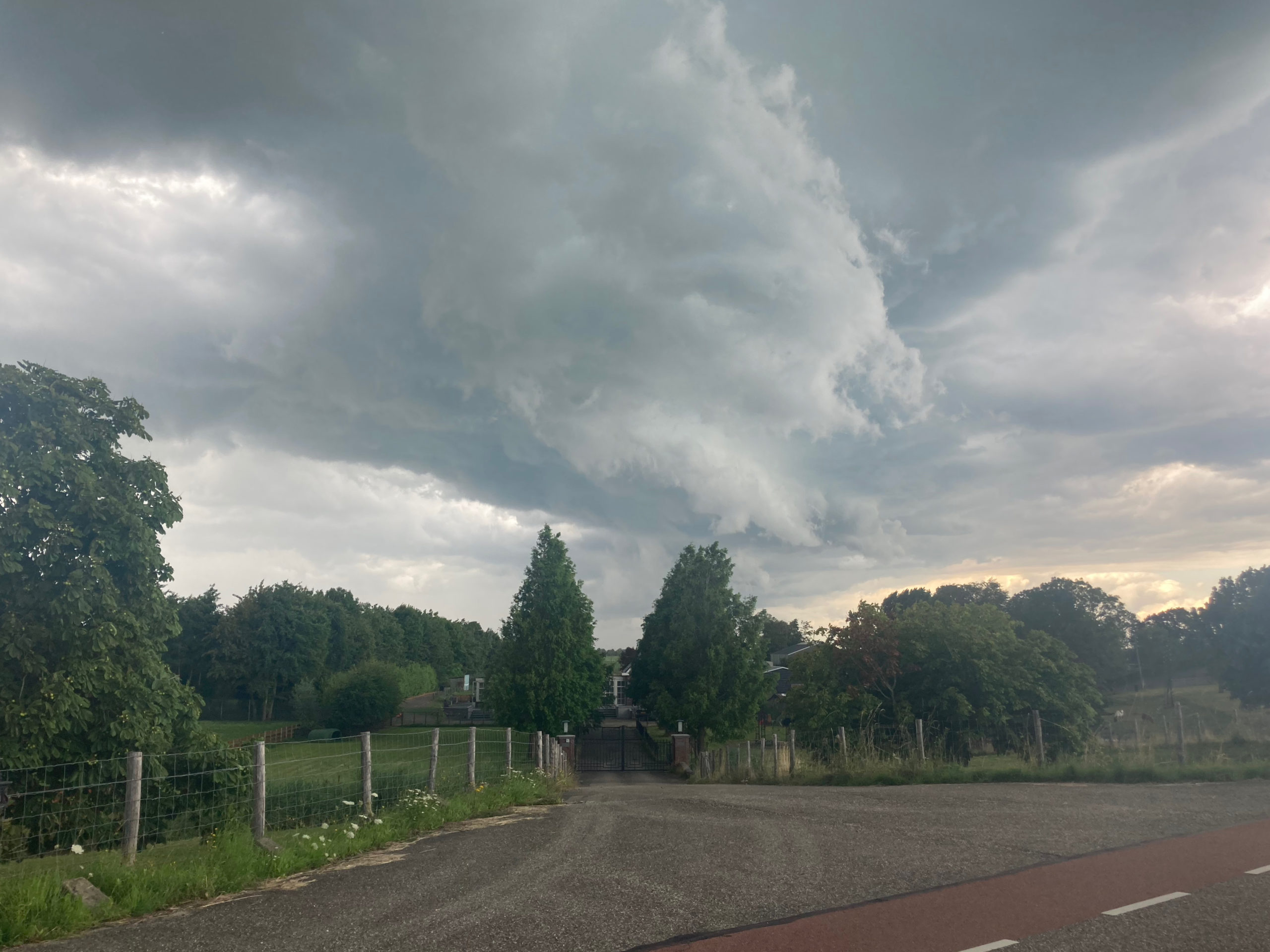
Heavy showers were predicted after 20 o’clock and I wanted to be home before that. In fact I did, but the heavens came down earlier at 16:30—just before I entered Bergambacht. The good thing: this was exactly where I was on familiar roads again. An hour and a half later—just before Portengen—the sun came out. Lucky me! I utterly enjoyed finishing my trip in the warmth of its rays. 🌞😺
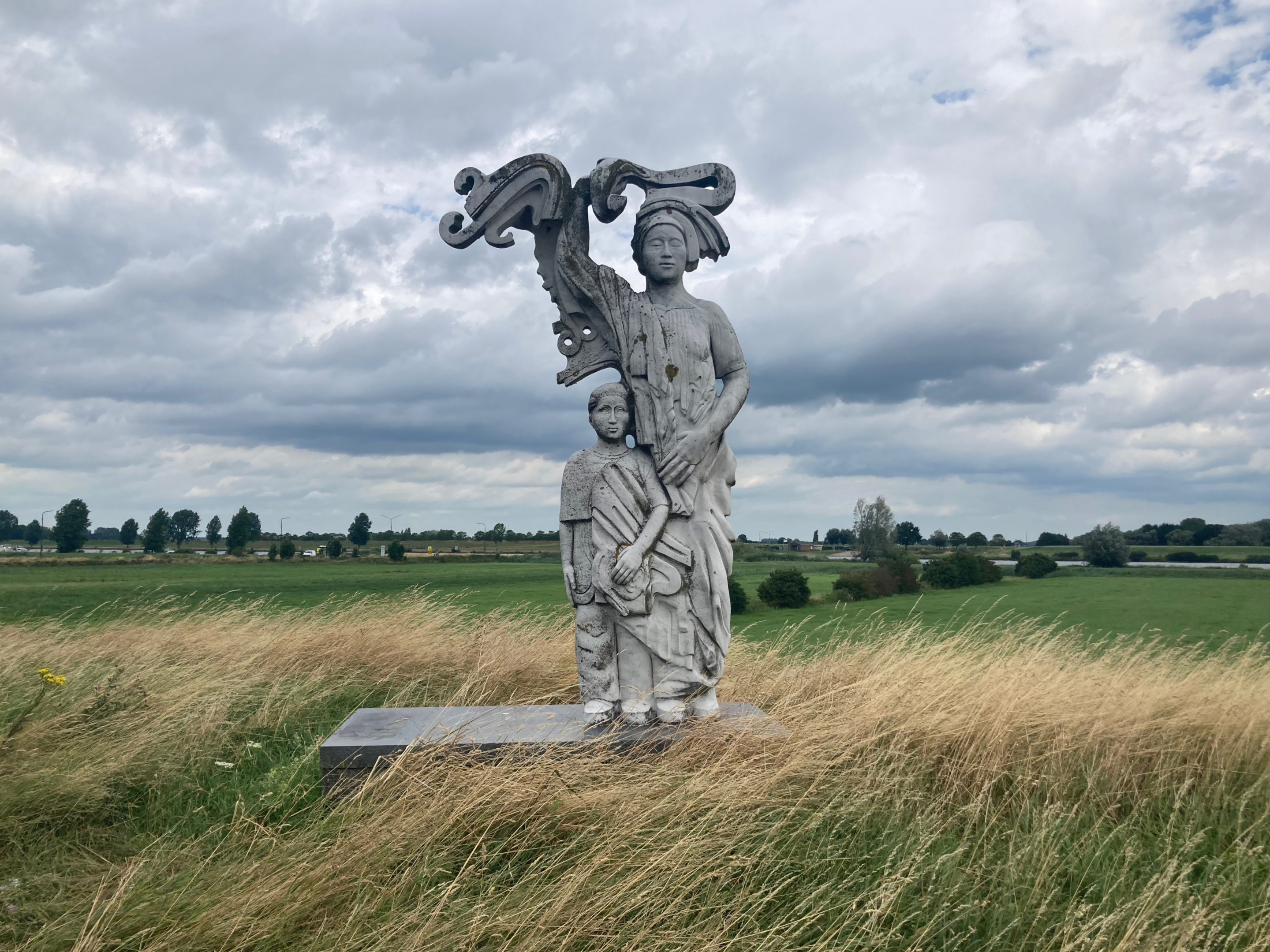
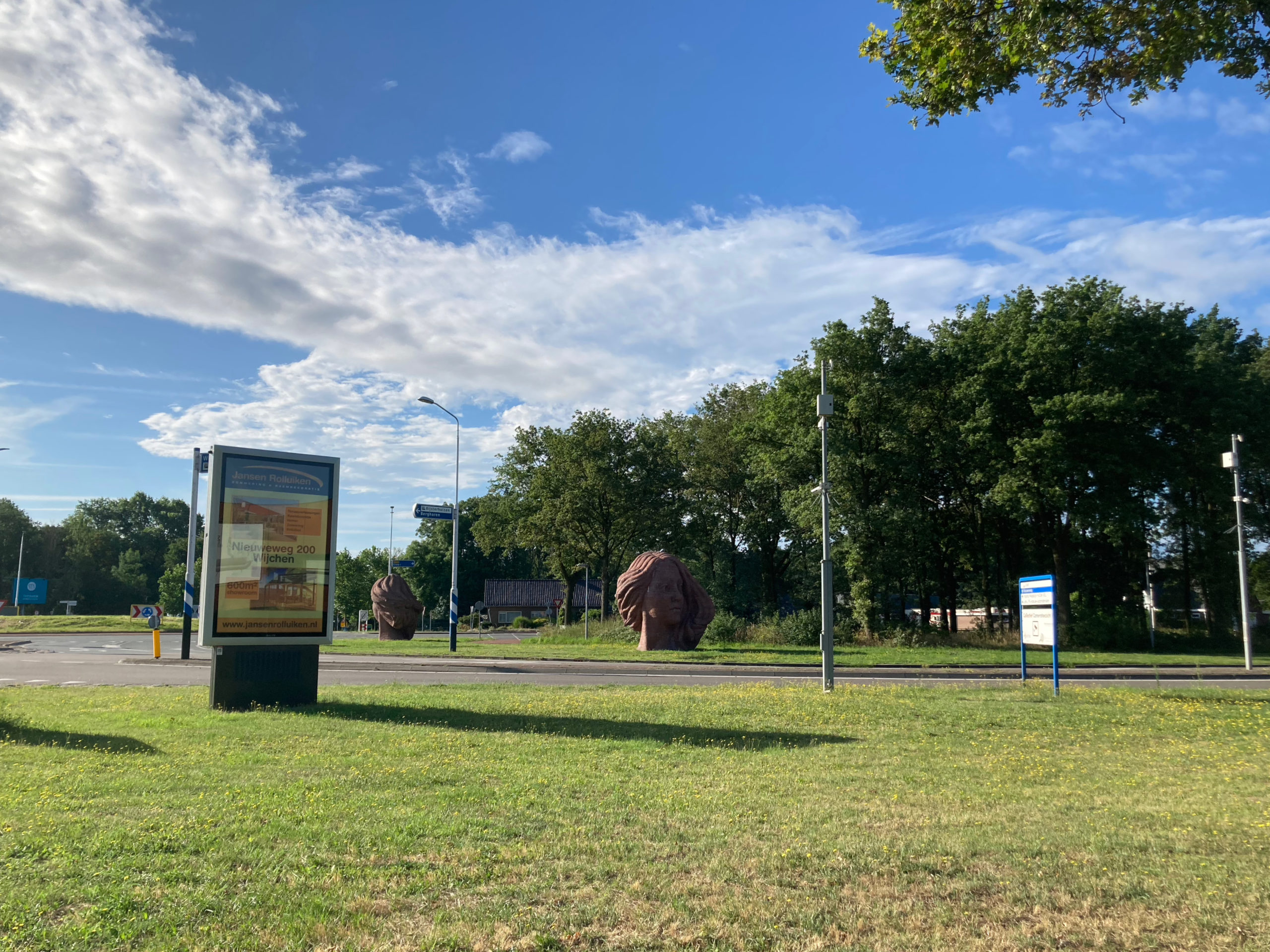
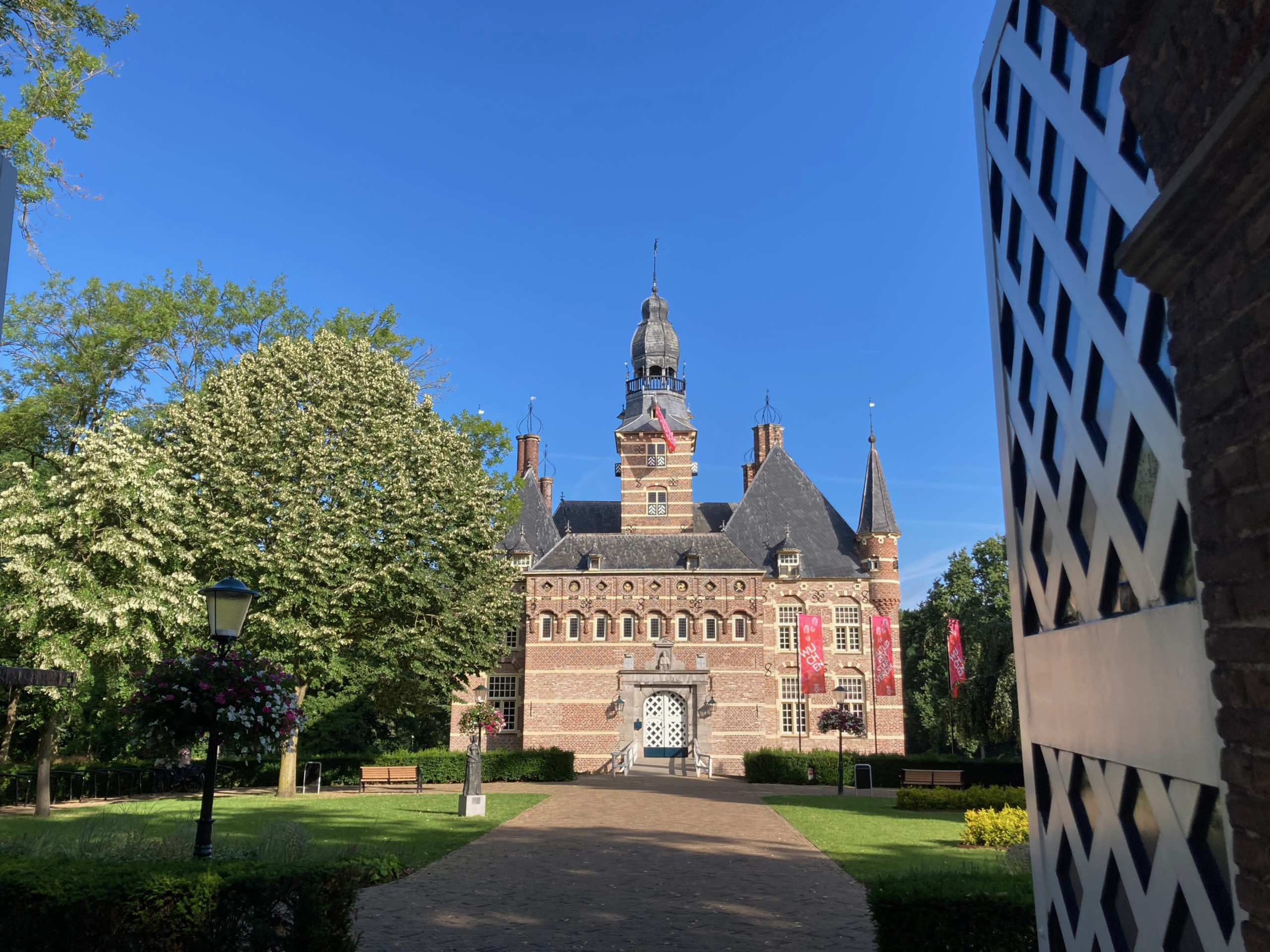
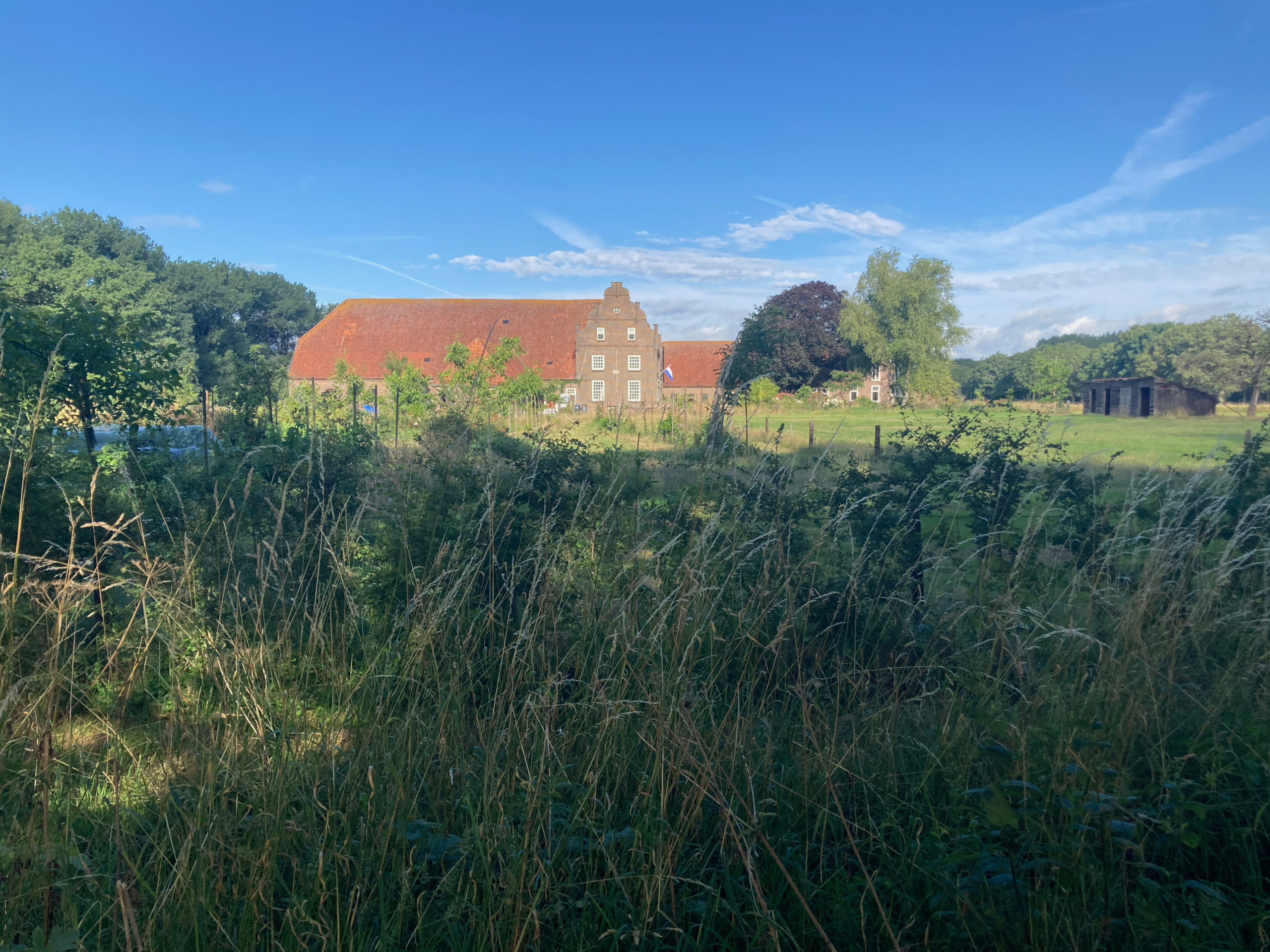
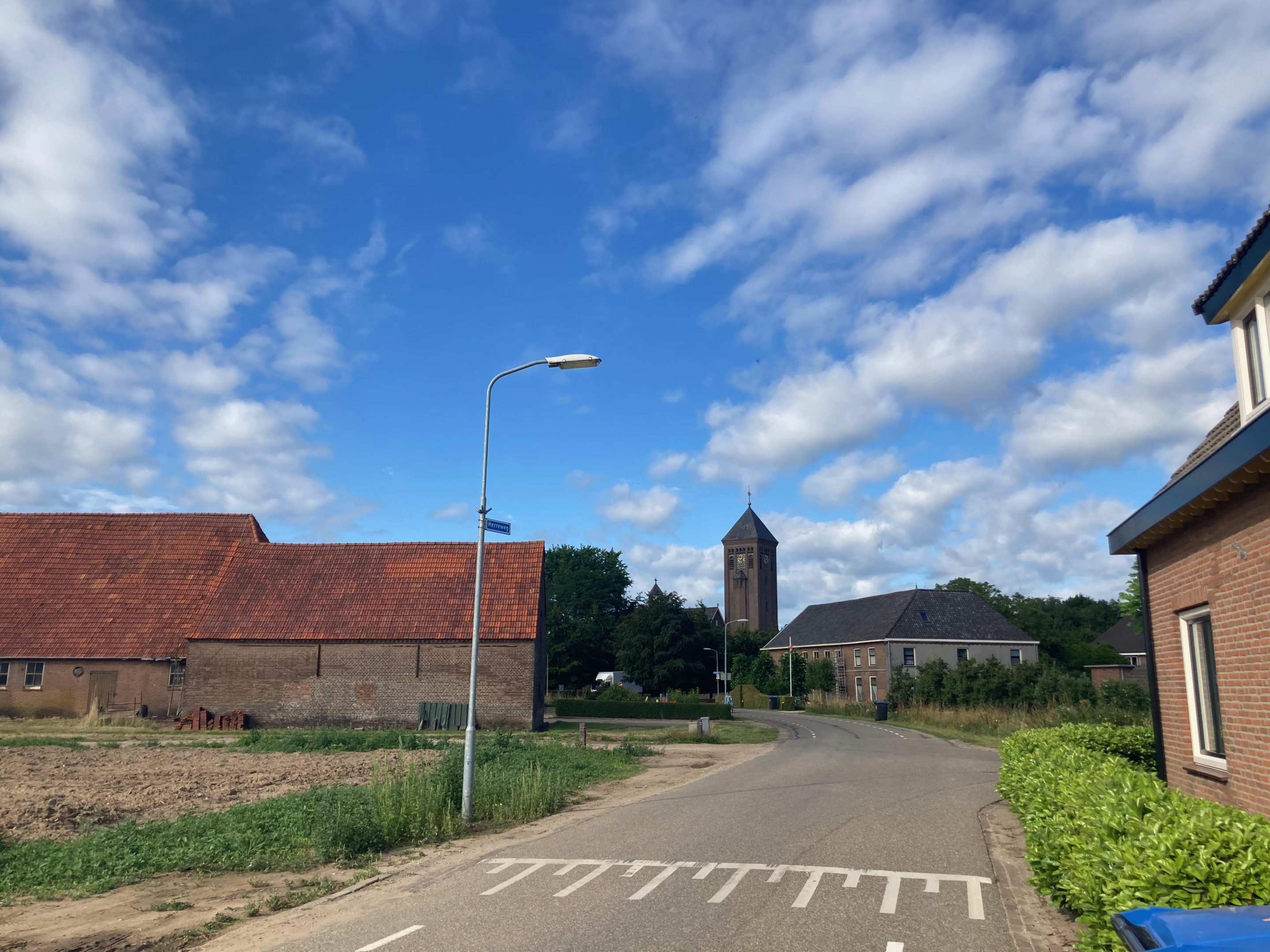
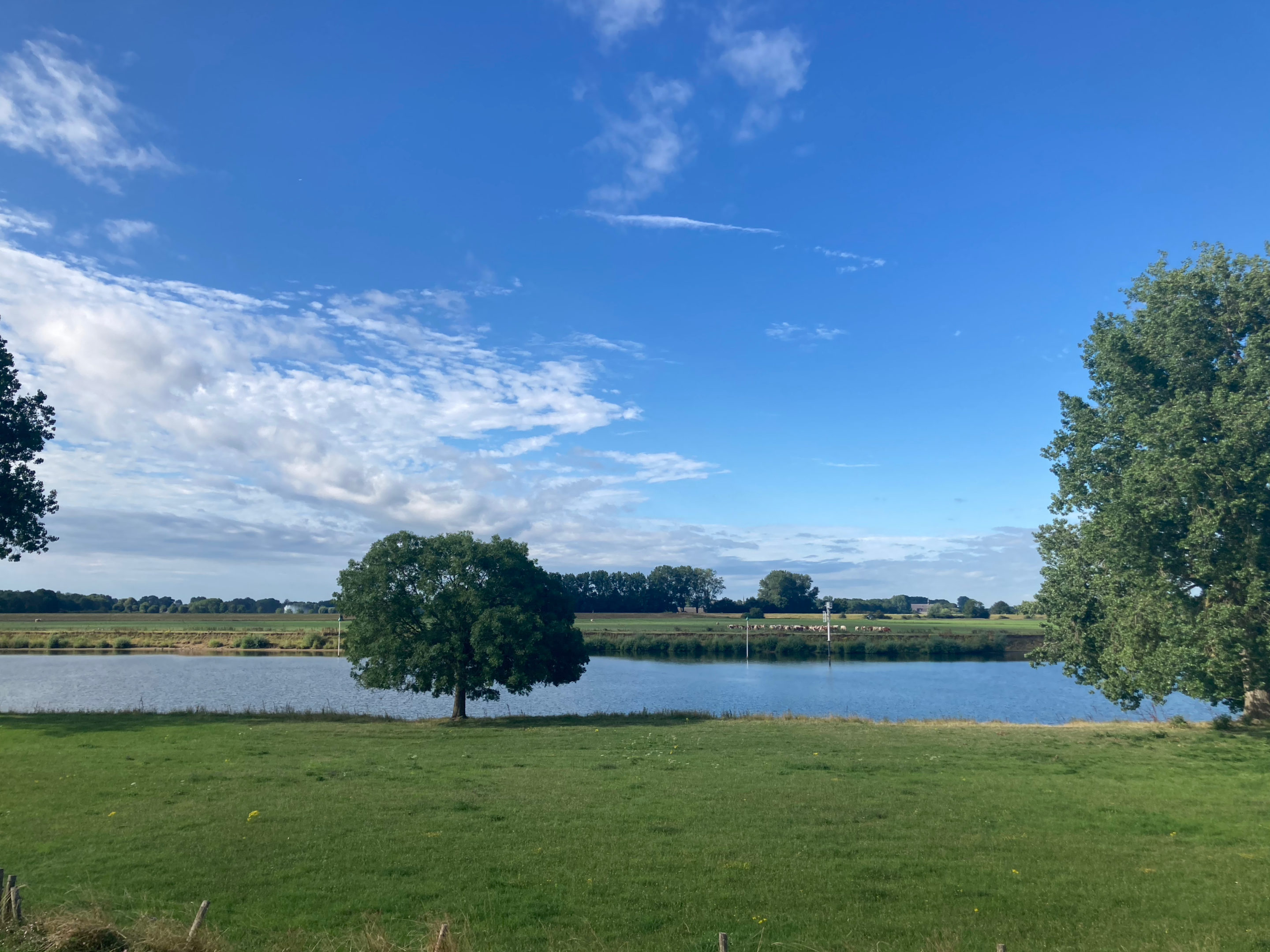
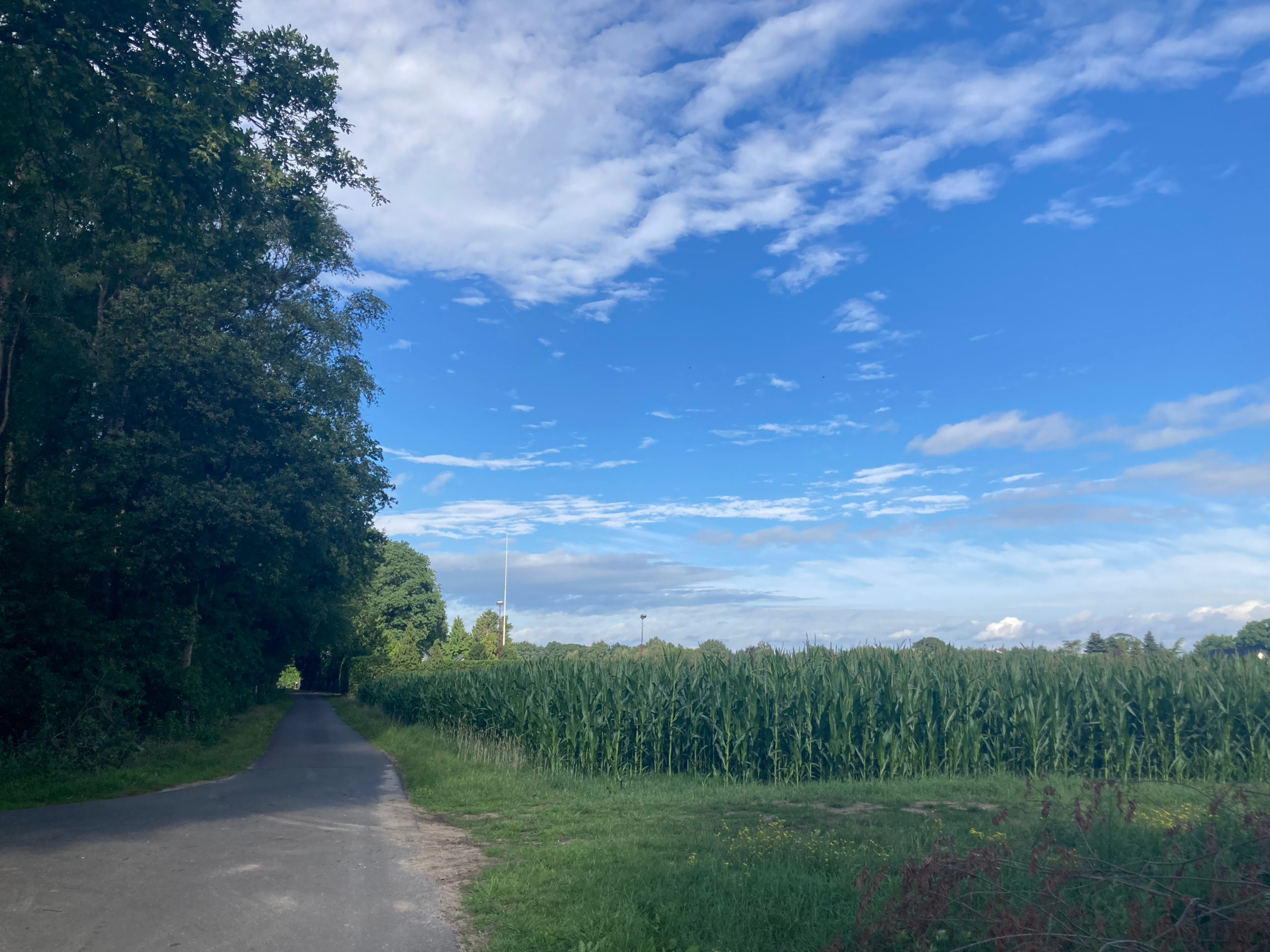
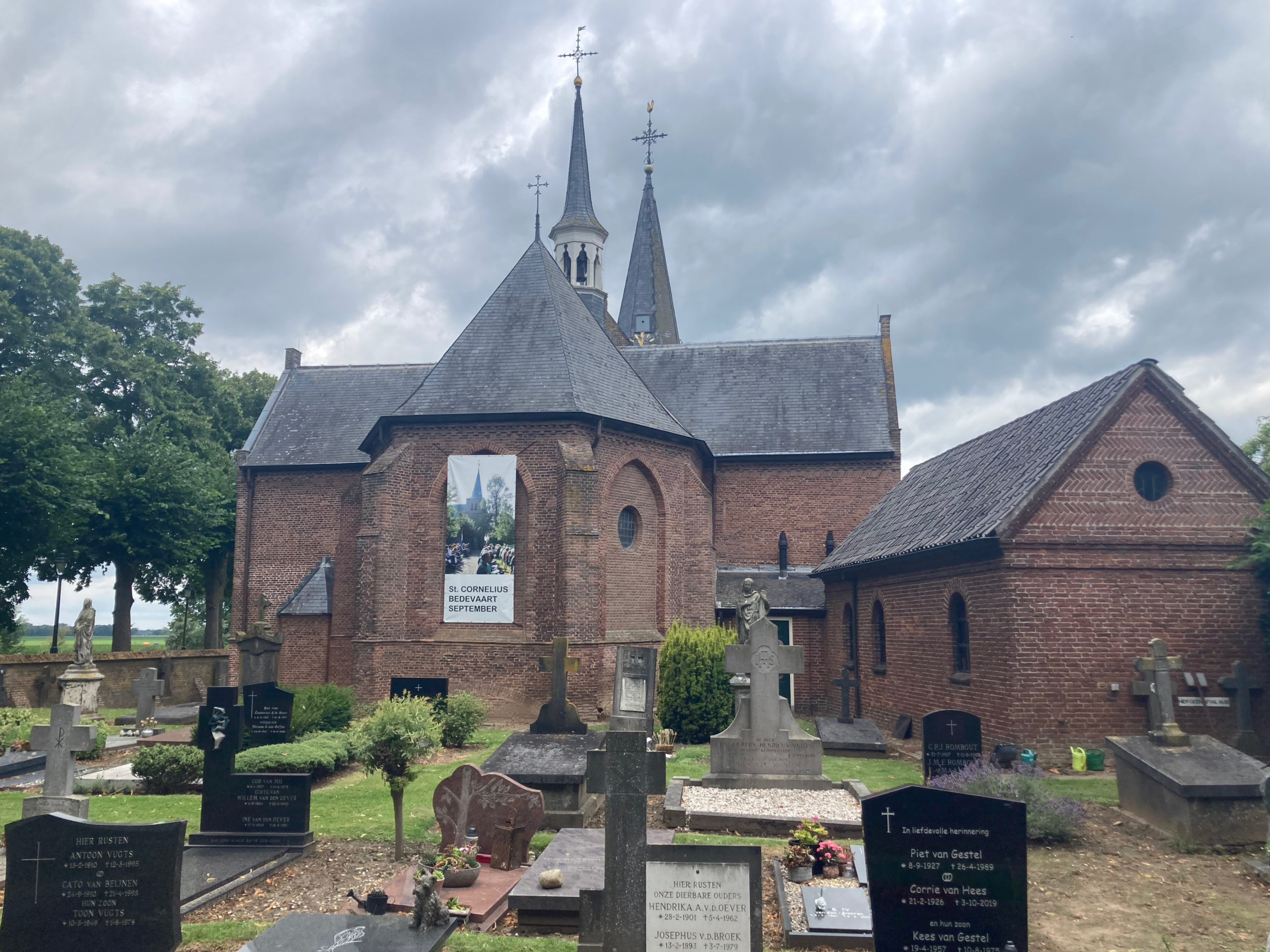
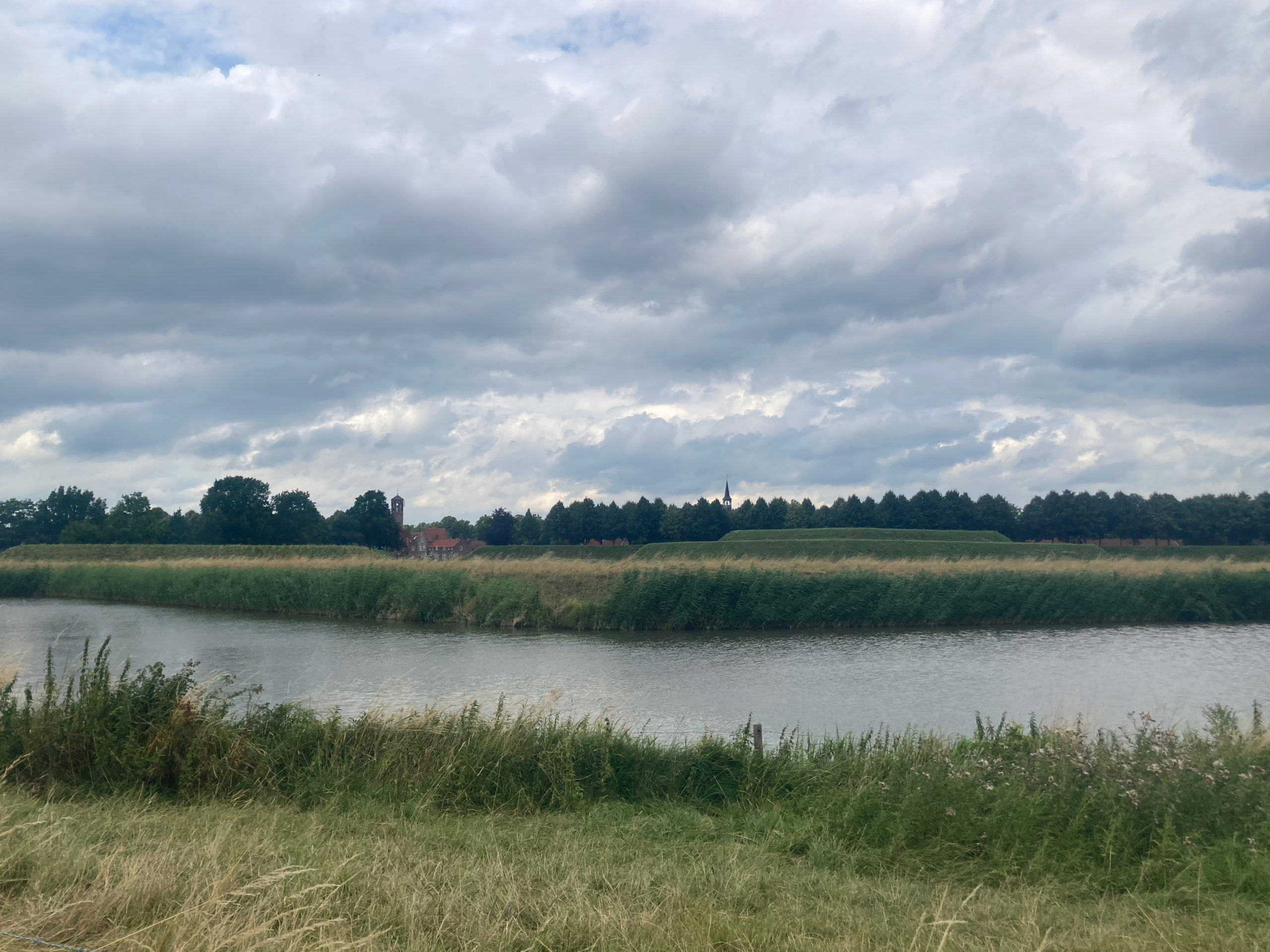
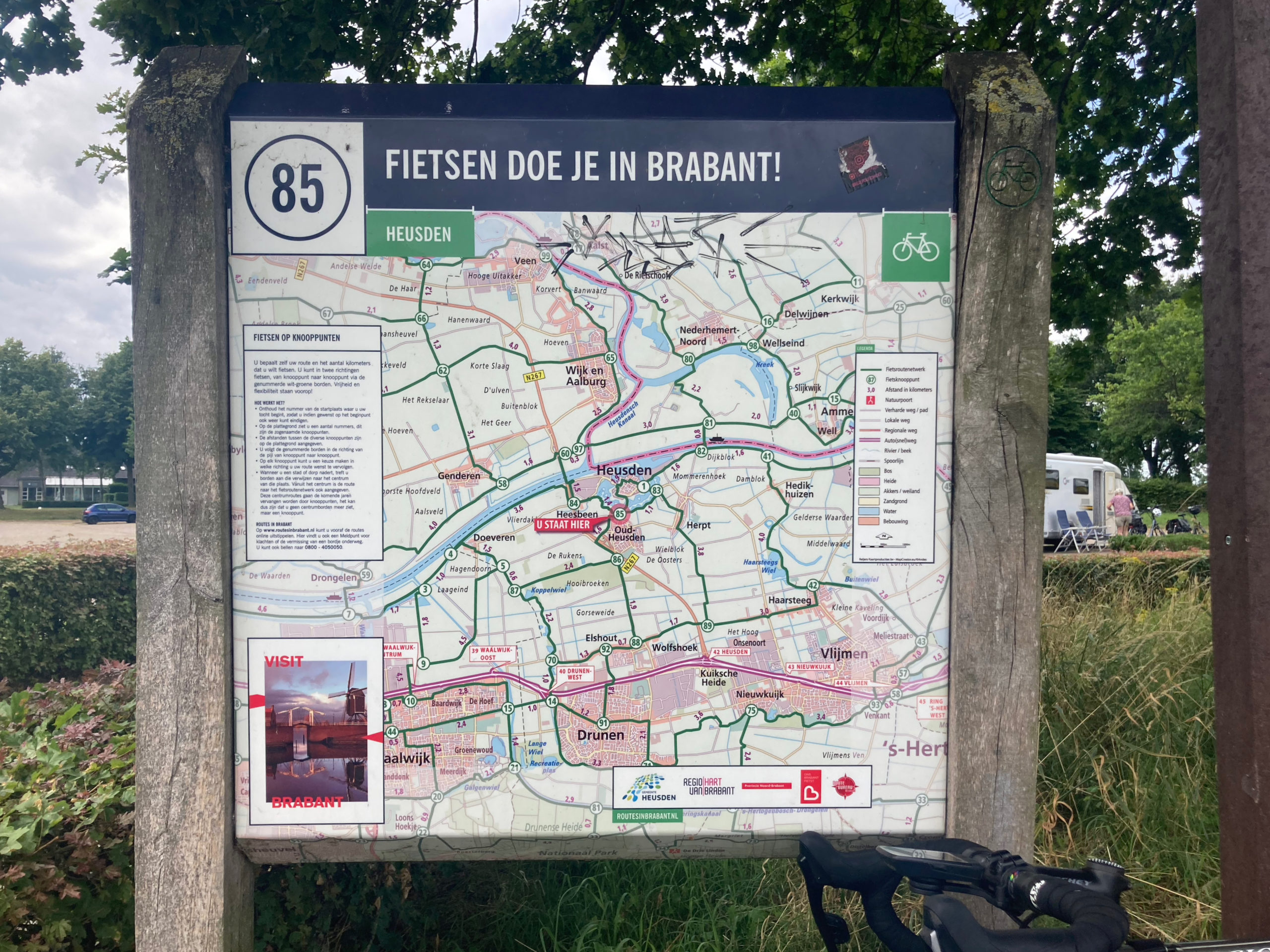
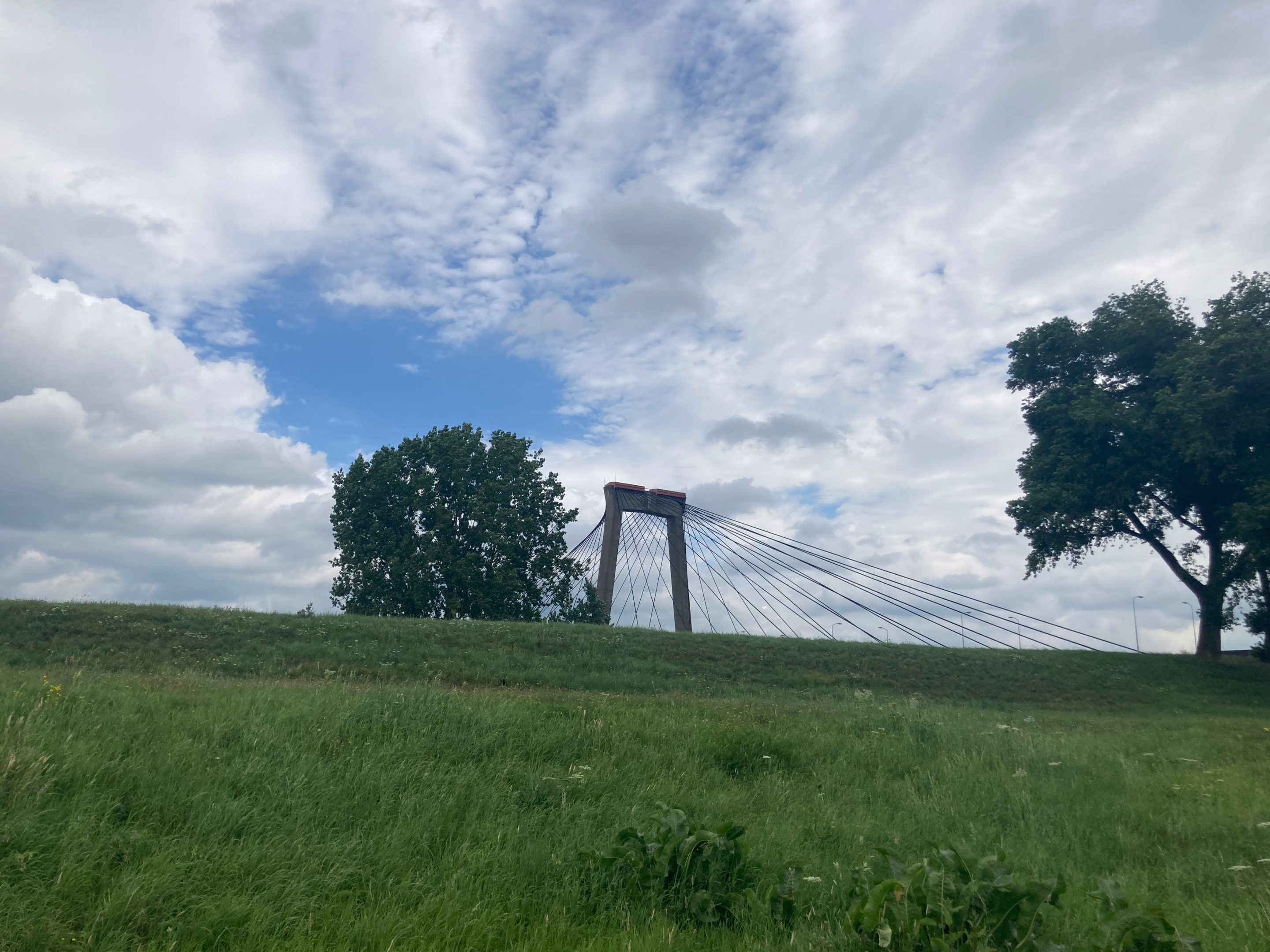
Clearly, I had to pass these female heads by artist Elisabet Stienstra like I did three weeks ago. My note to the council: please remove this ugly billboard display. Wijchen Castle, originally built in the 14th century. ‘Heerlijckheid Het Vormer’ on the edge of Wijchen, an ecological garden with a monumental farmhouse. The village of Balgoij. From Balgoij I followed the river Maas to the bridge at Graven. On a small road near Herpen. The Antonius Abt church in Bokhoven. After passing though Oss, Geffen, Nuland, Rosmalen and Den Bosch I was back at the river Maas. I passed Heusden on a path following the outer fortifications. (1/3) The historical fortified town of Heusden from the outside. (2/3) Continually winding, on a map the outer road is formed like a sawtooth. (3/3) ‘Cycling is done in Brabant!’ Sure! We all know it is done in other places too. A blind spot for me until I passed here today: a bridge over the (Bergsche) Maas between Heusden and Wijk-Aalburg. For another time! The Bergsche Maas is a canal that was completed in 1904. It starts at Heusden and effectively separates the town from its historical domain to the north, the ‘Land van Heusden’. ‘God Bless the Child’ in Waalwijk on the Zomerdijk near the ferry by artist Peter van de Locht. It was unveiled in 2001 and marks the dyke improvements between Willemstad and Waalwijk.
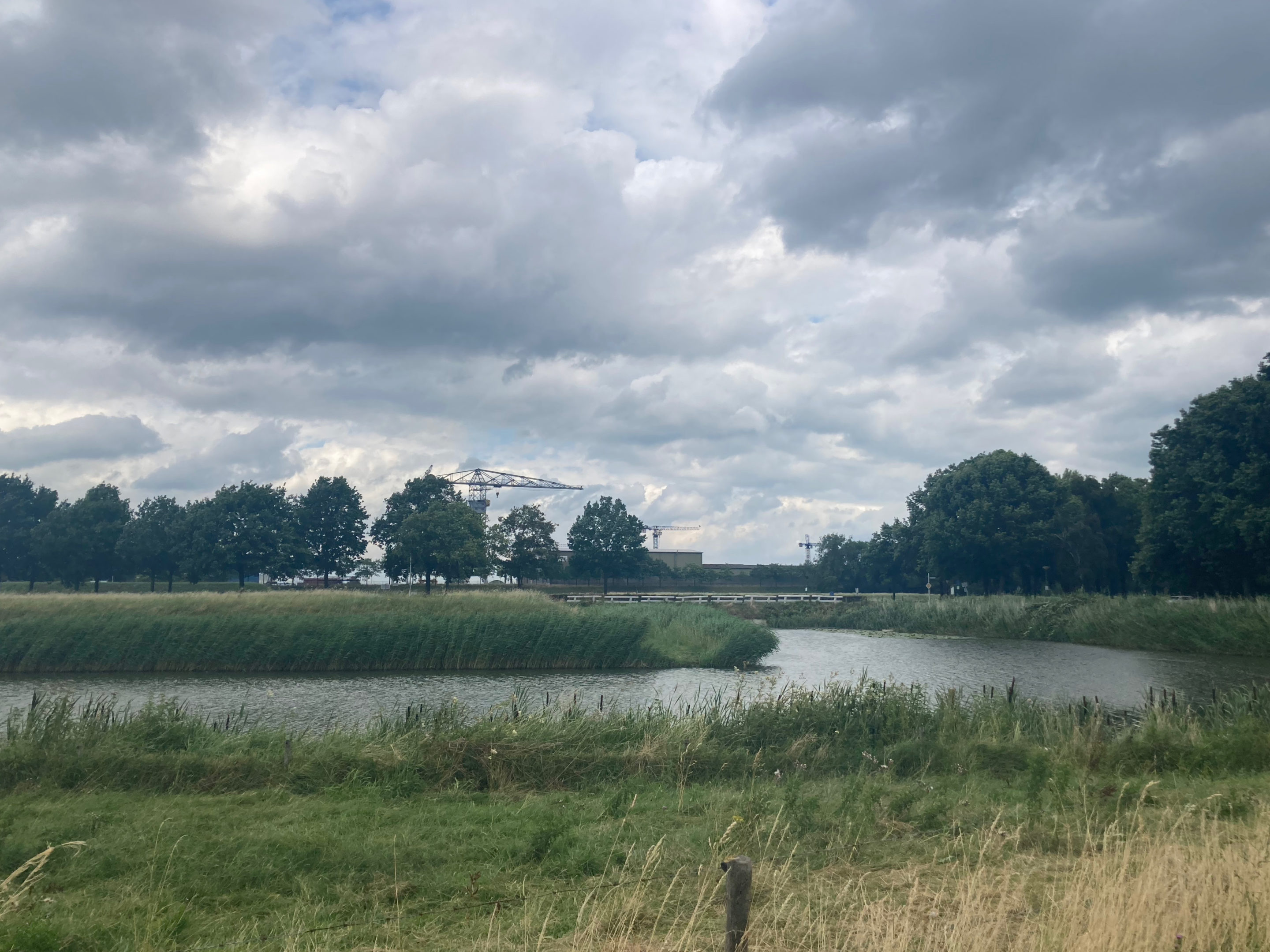
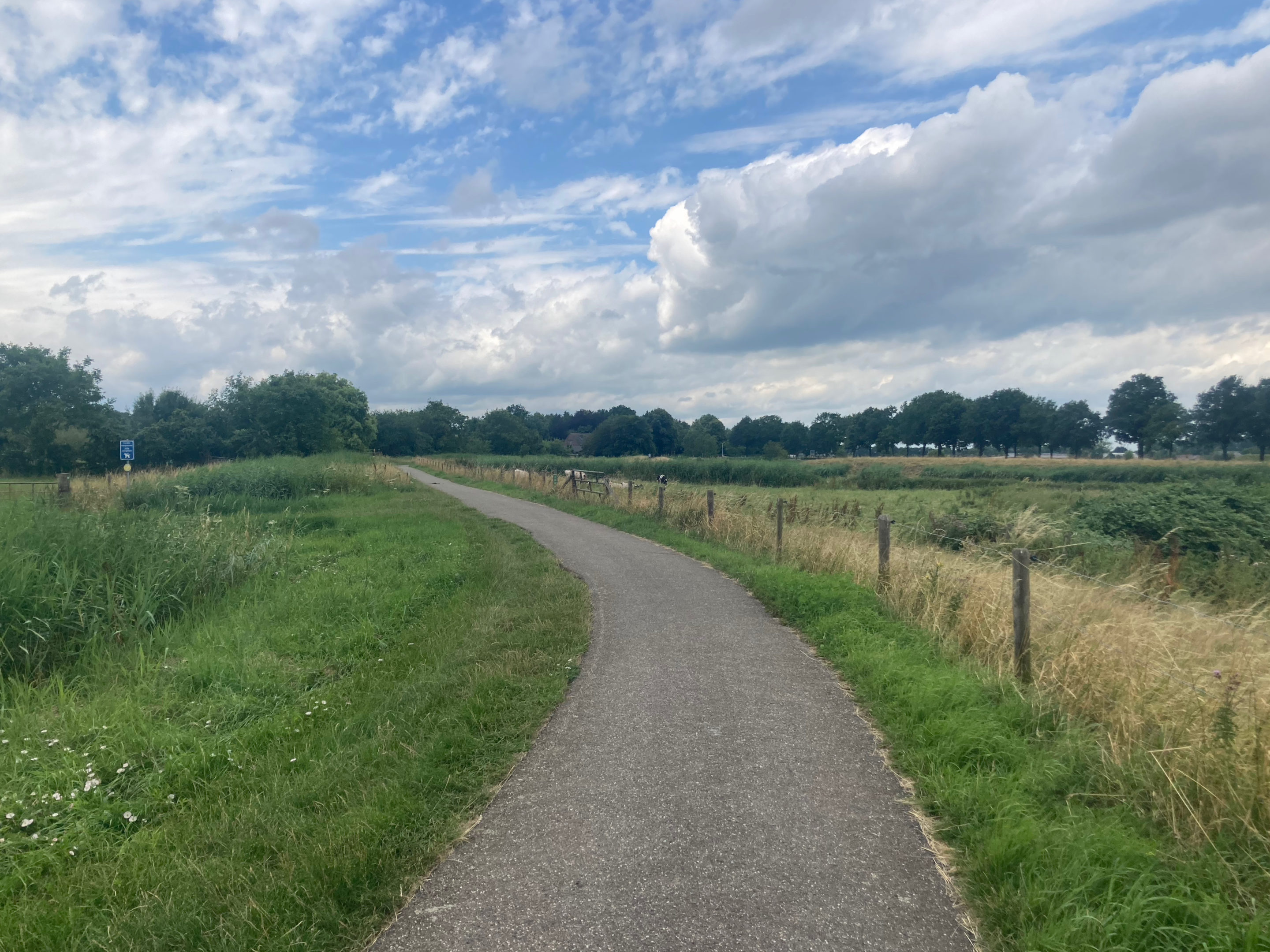
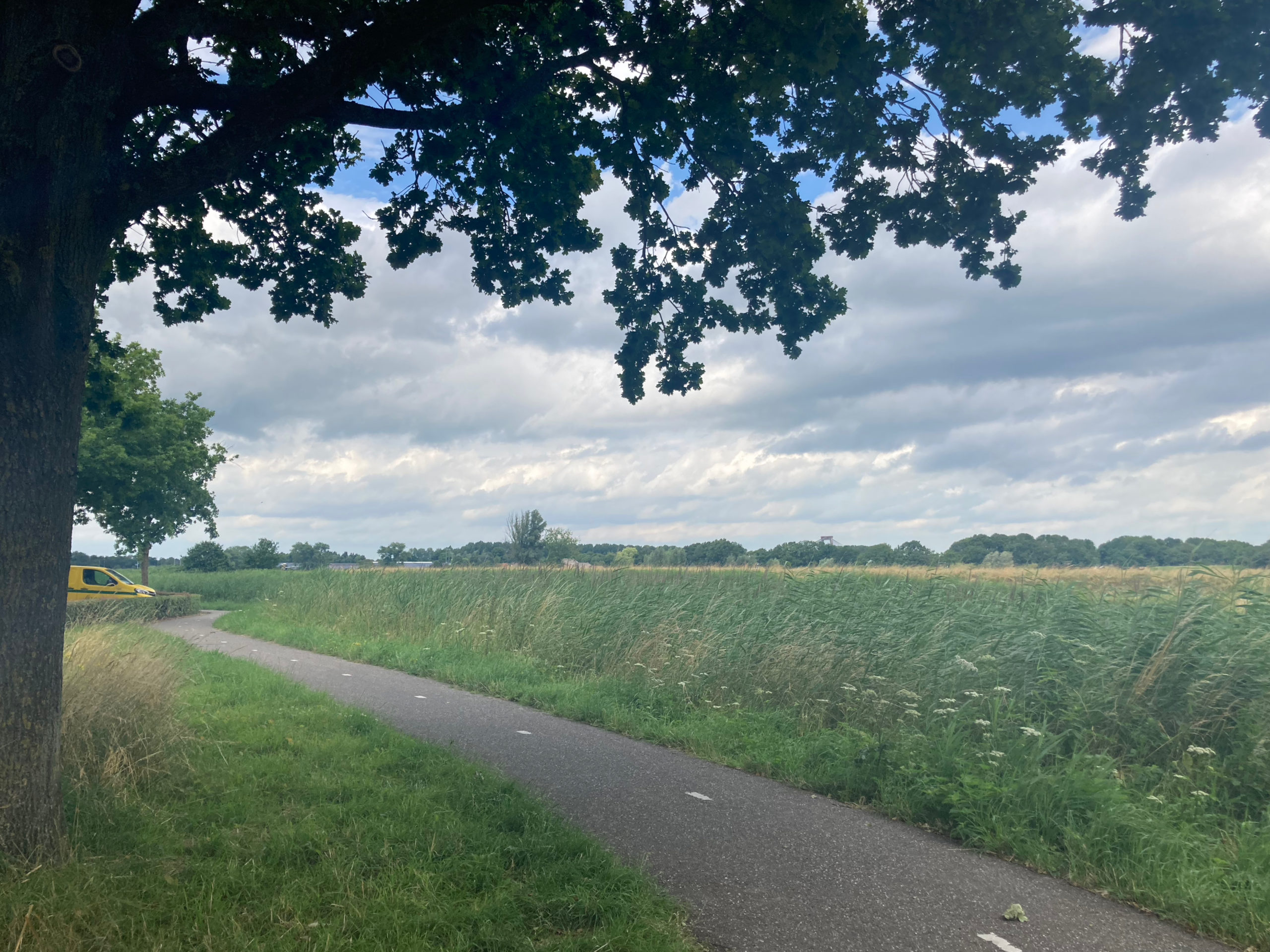
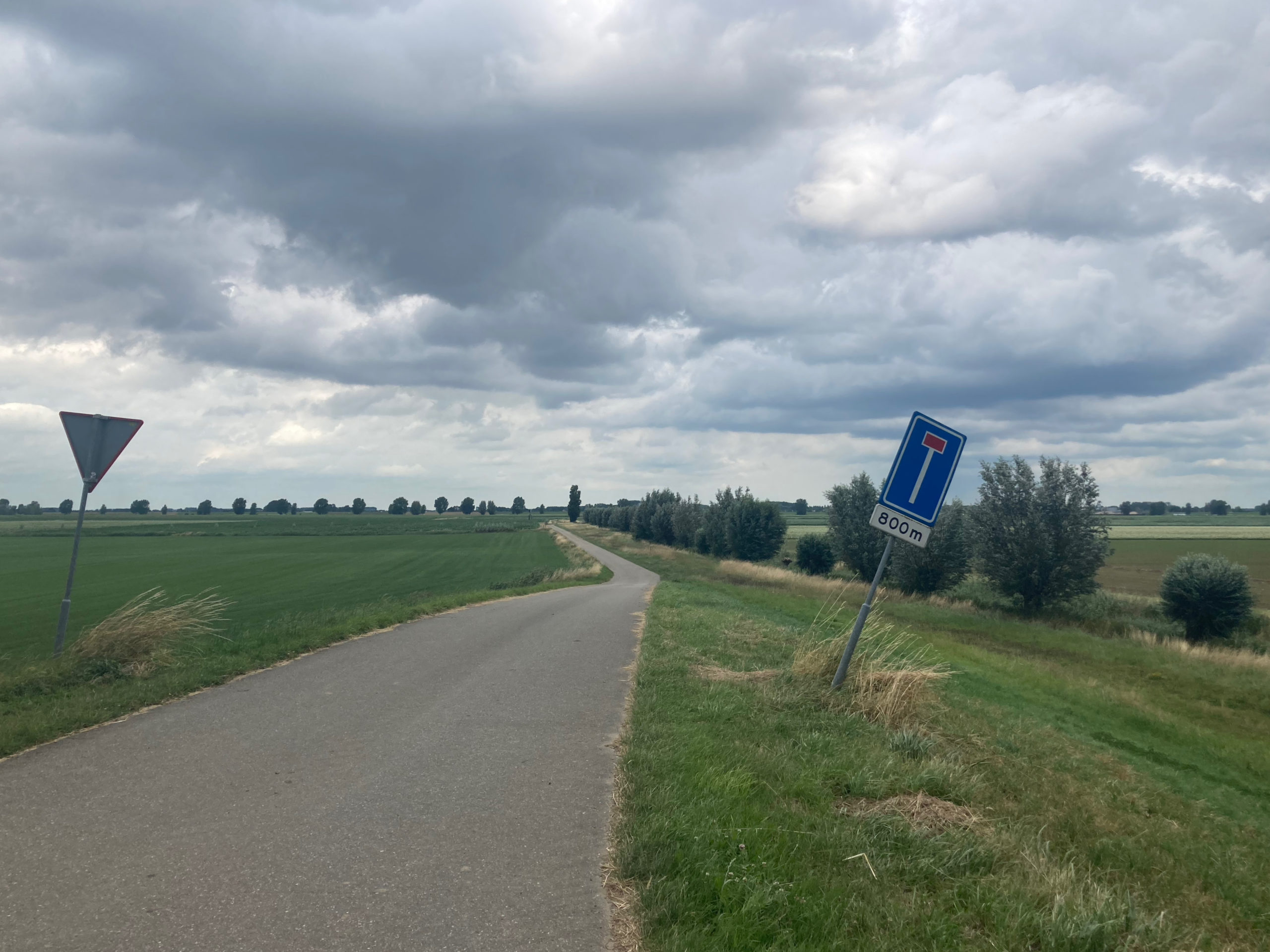
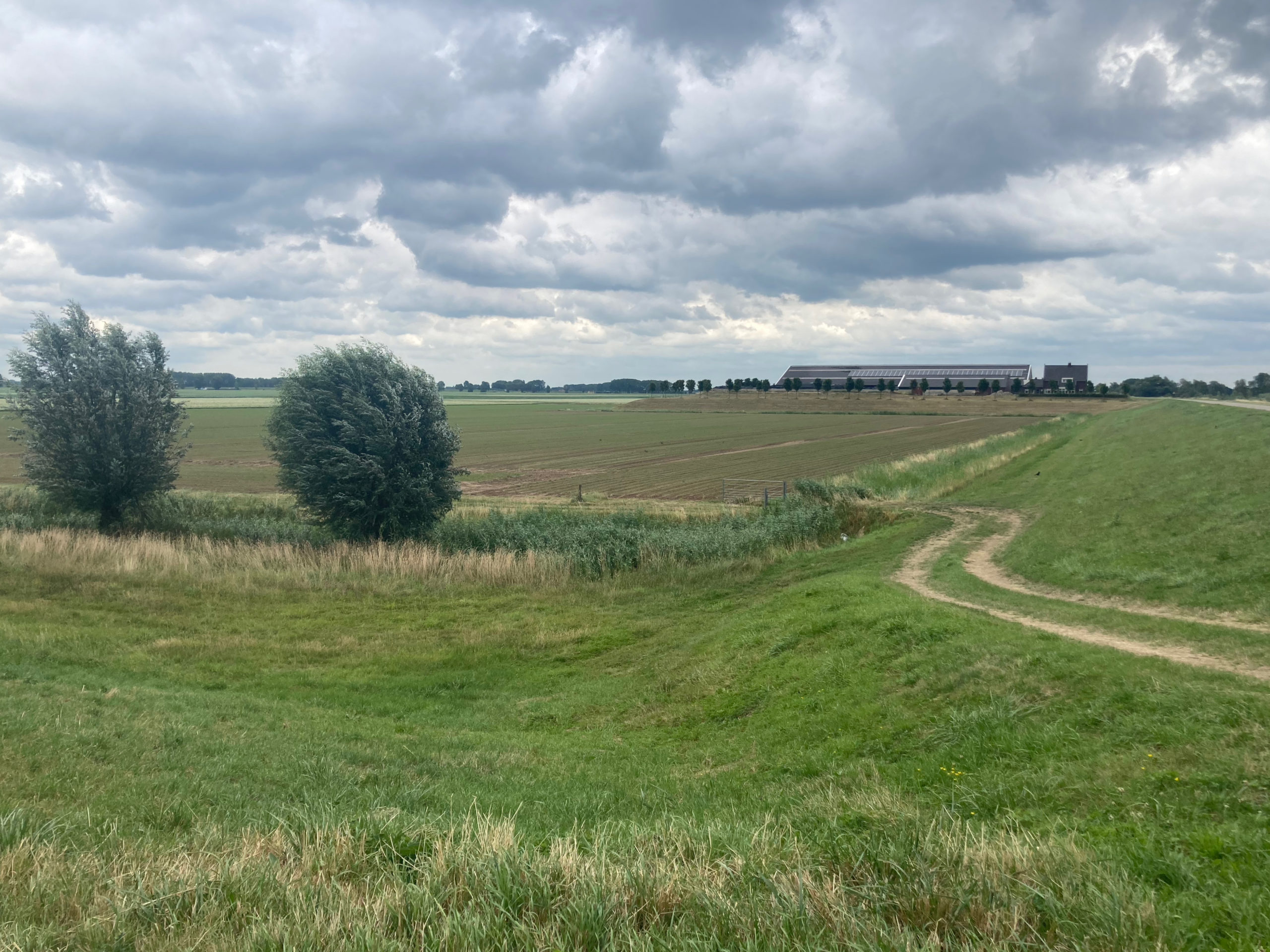
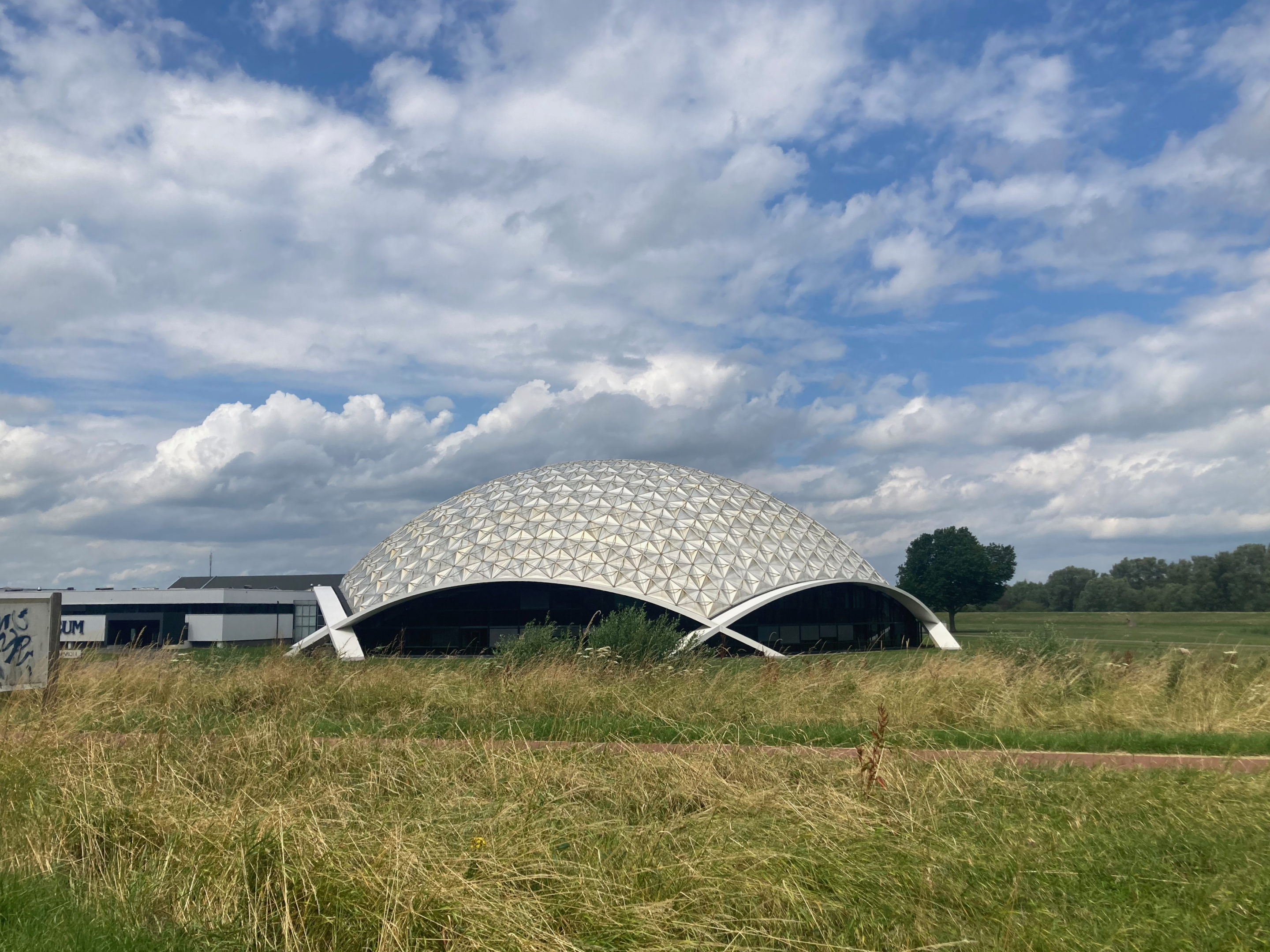
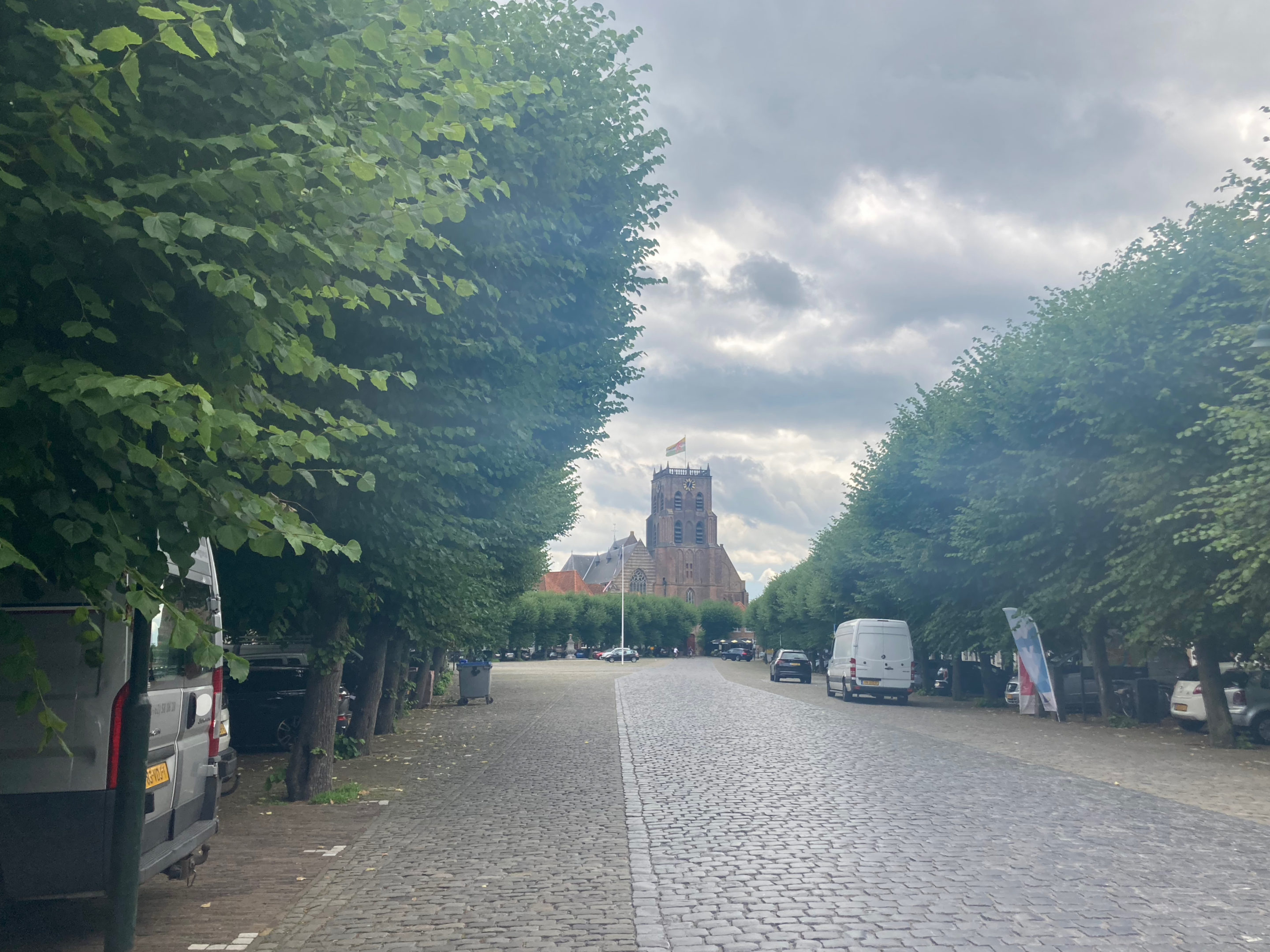
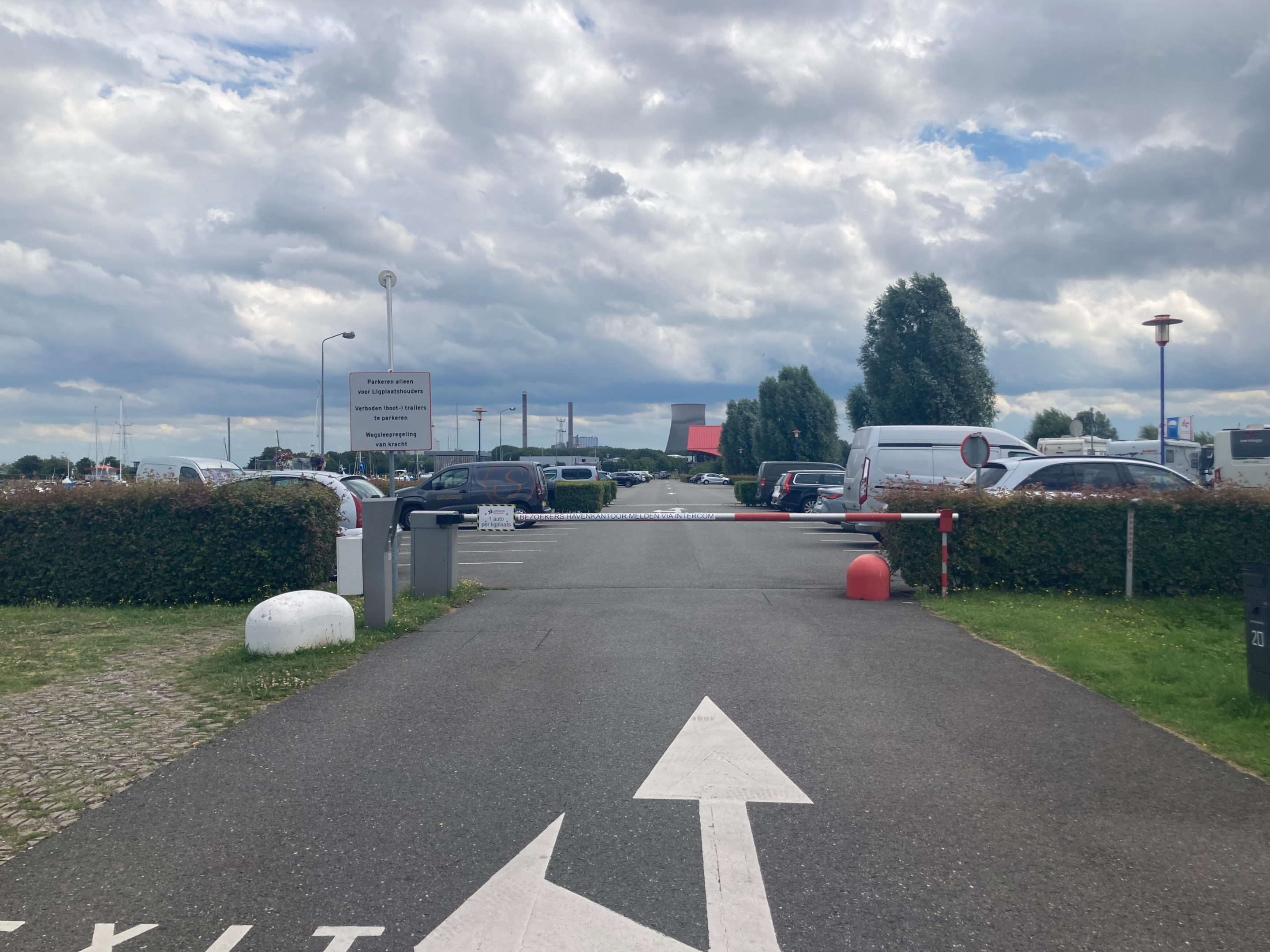
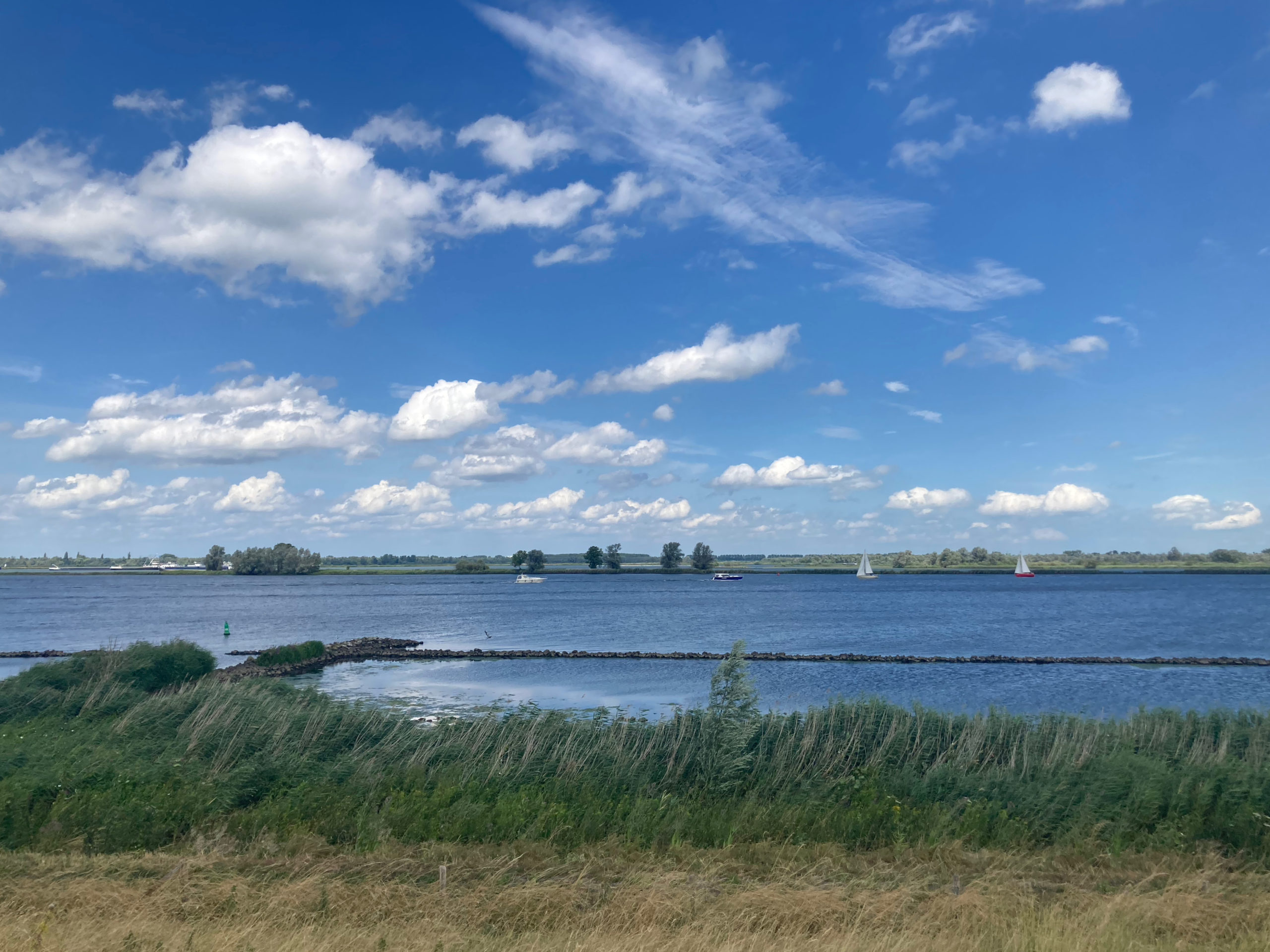
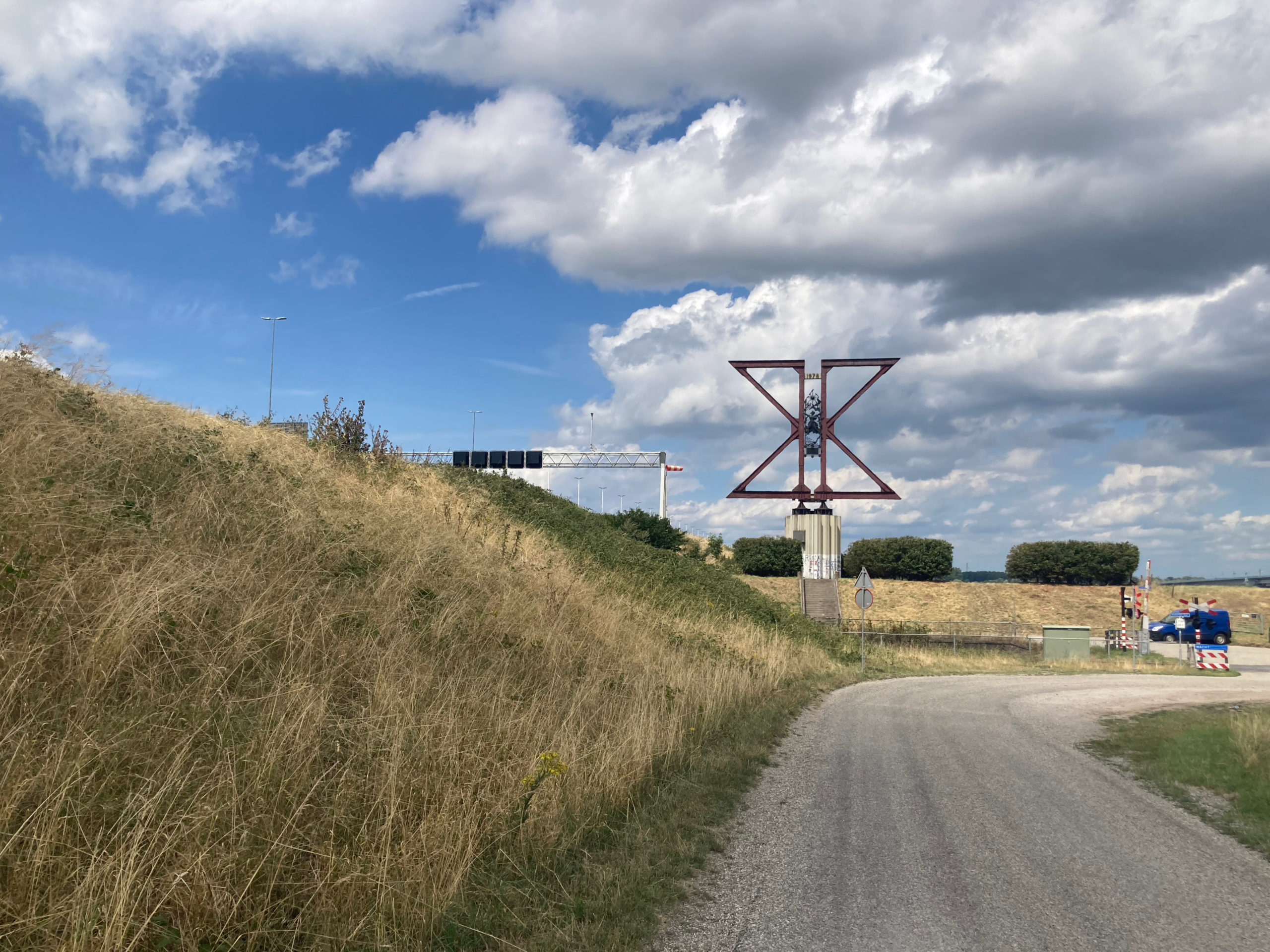
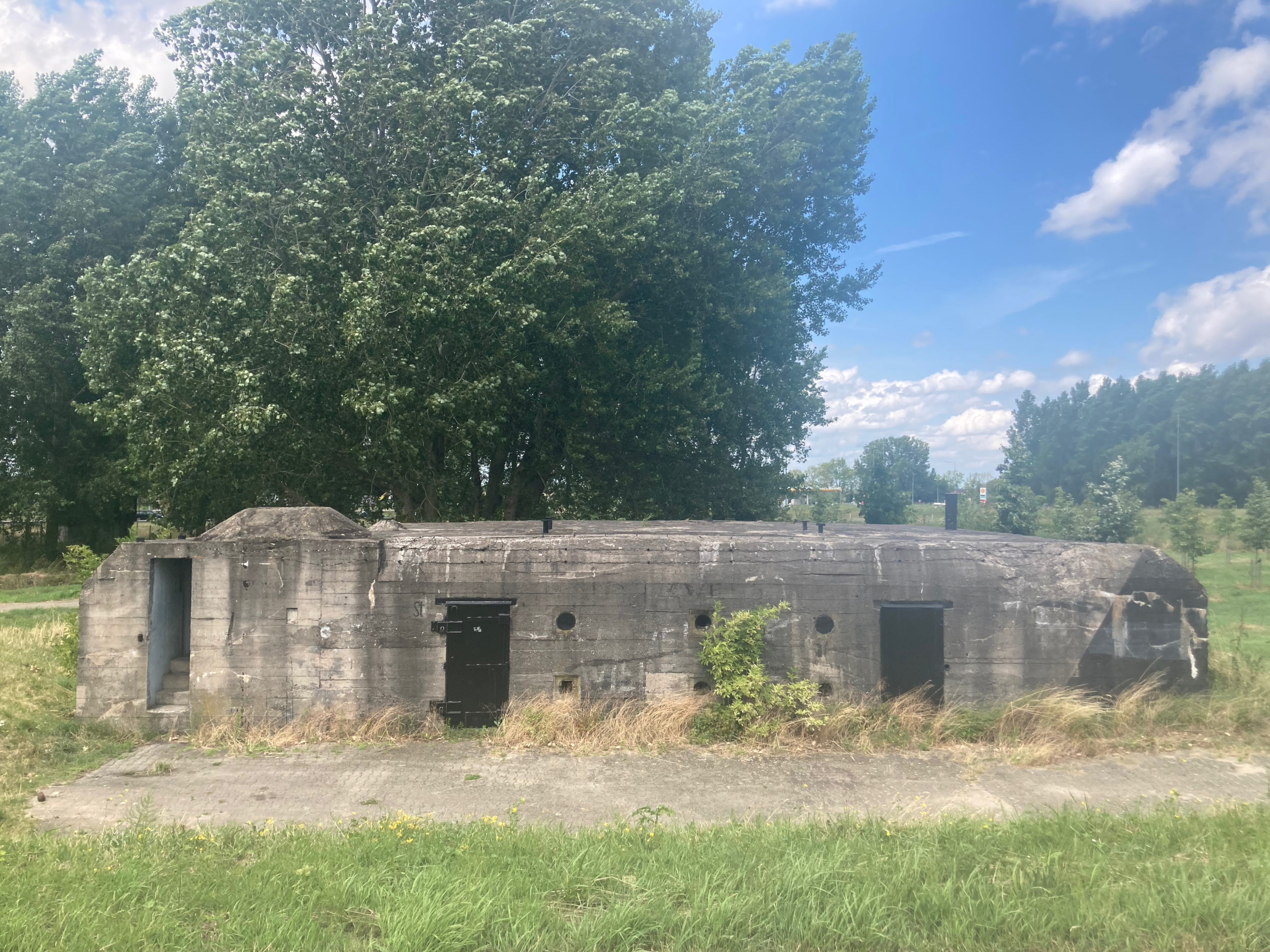
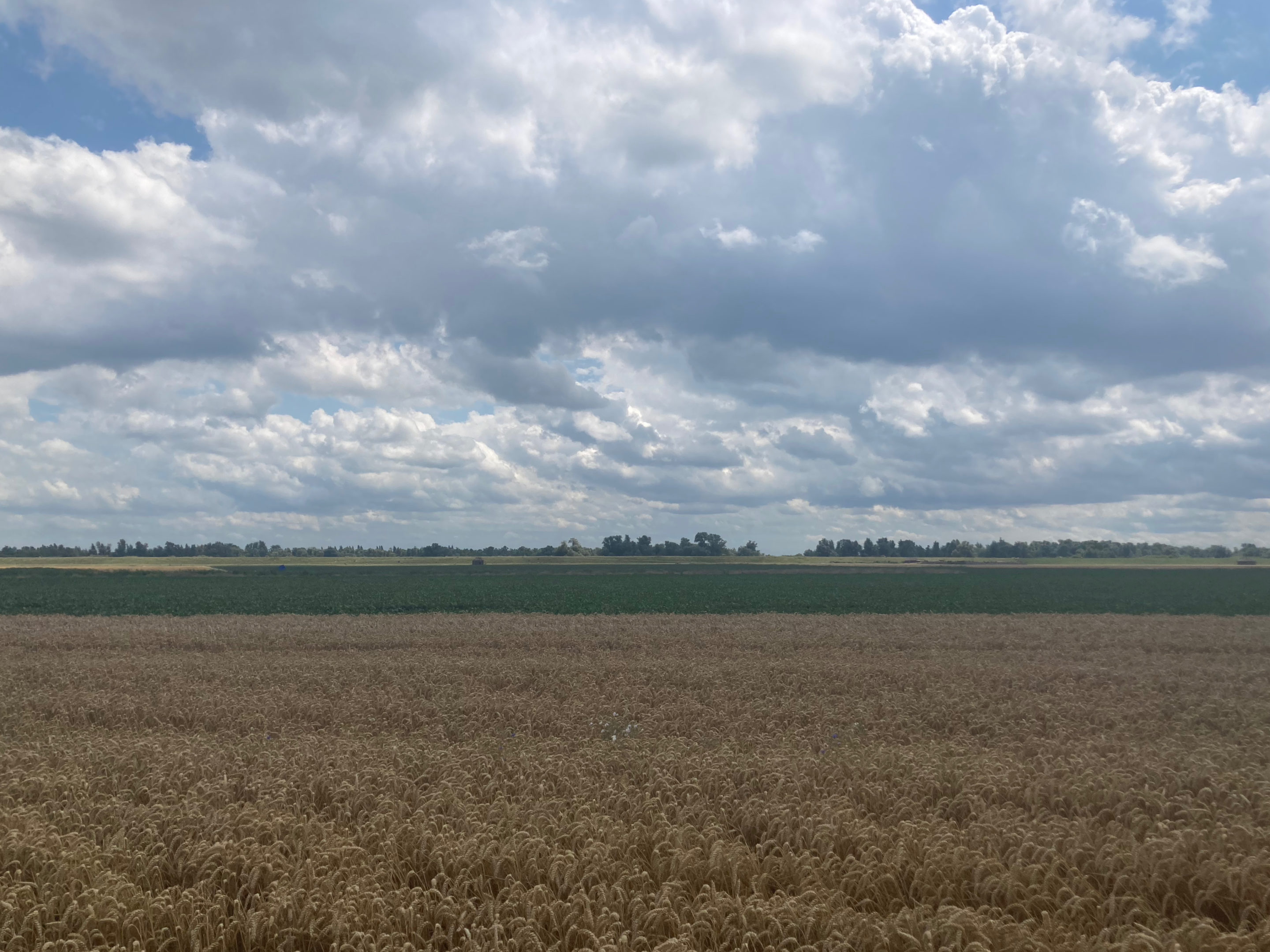
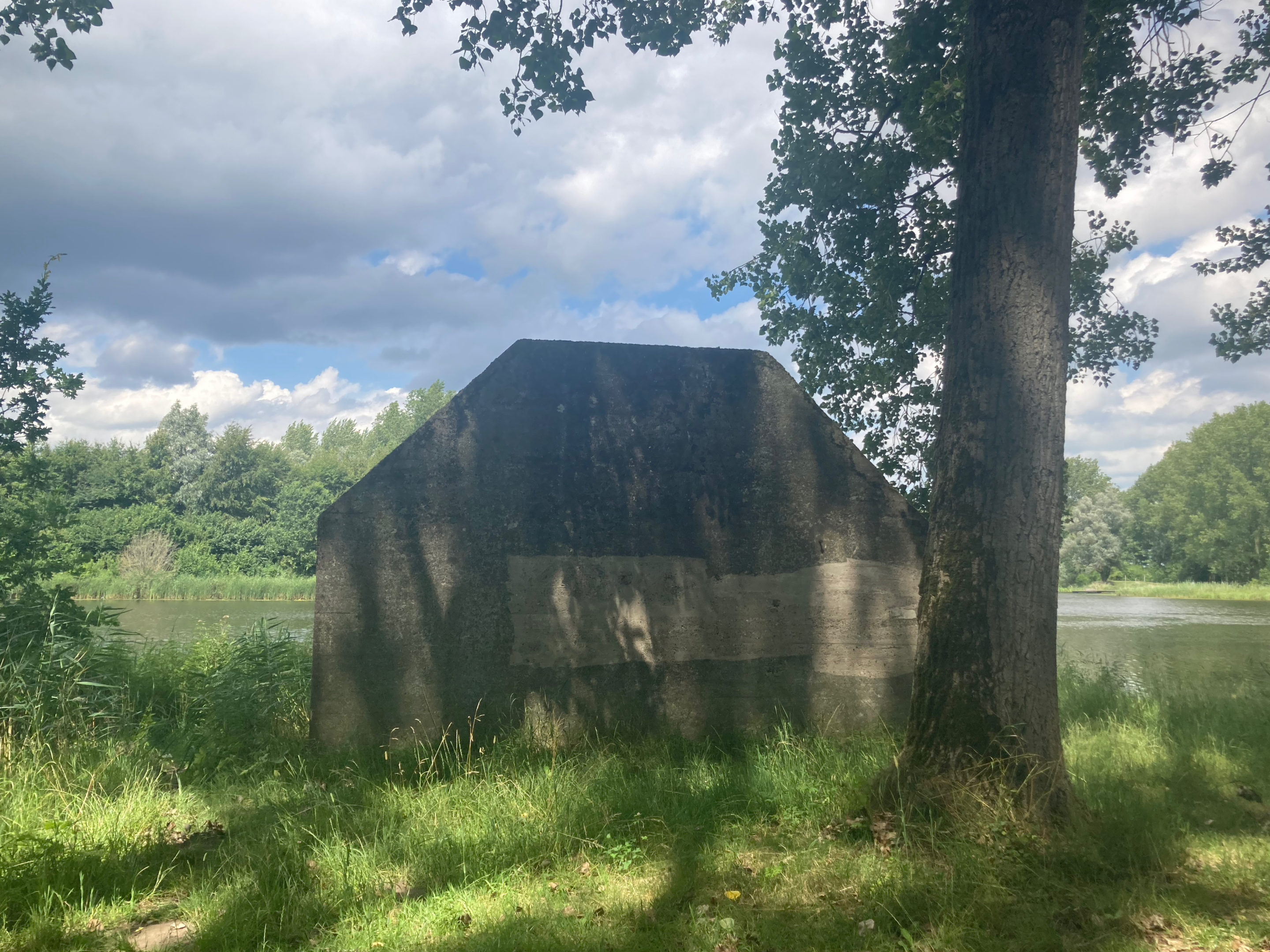
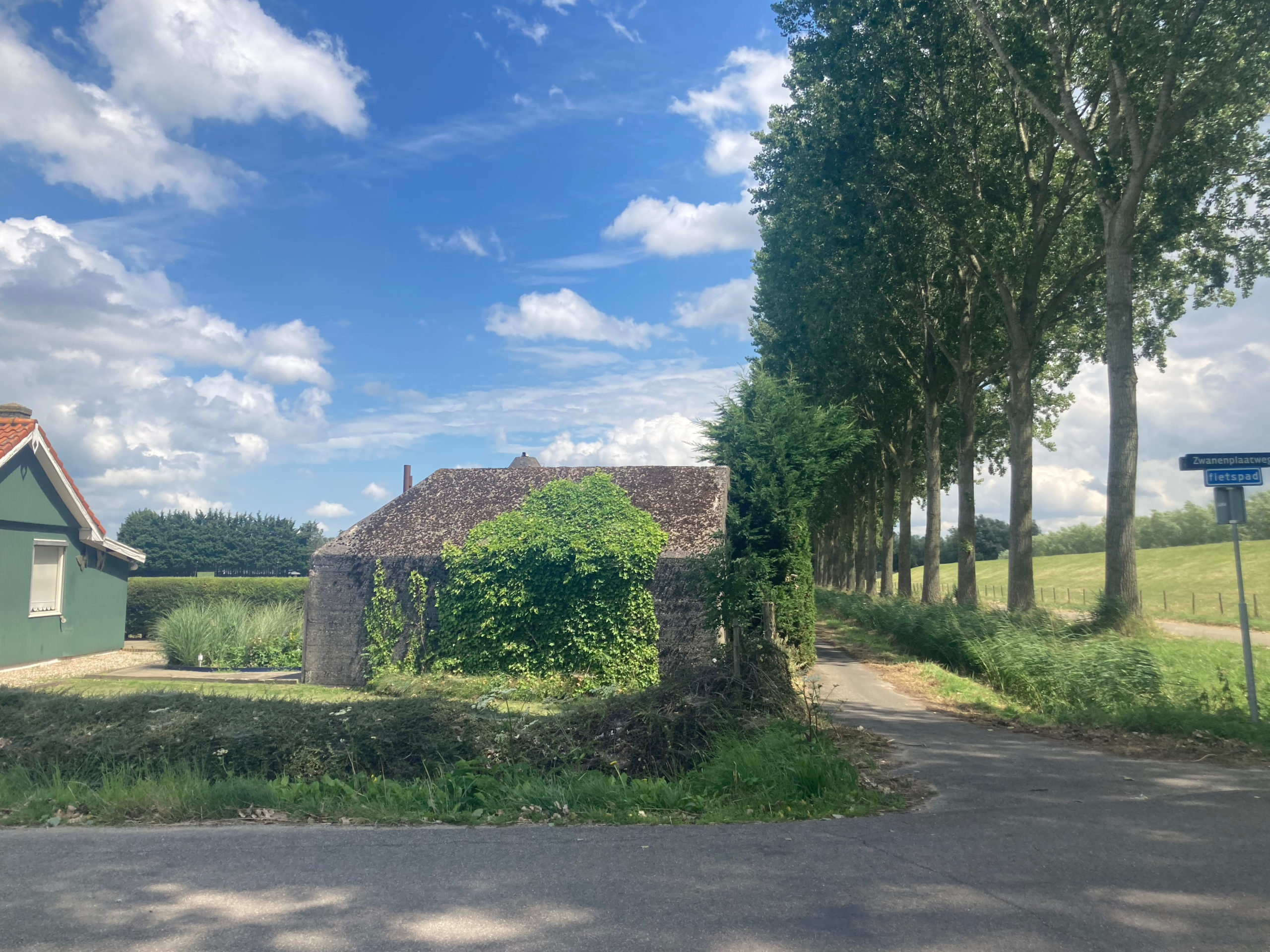
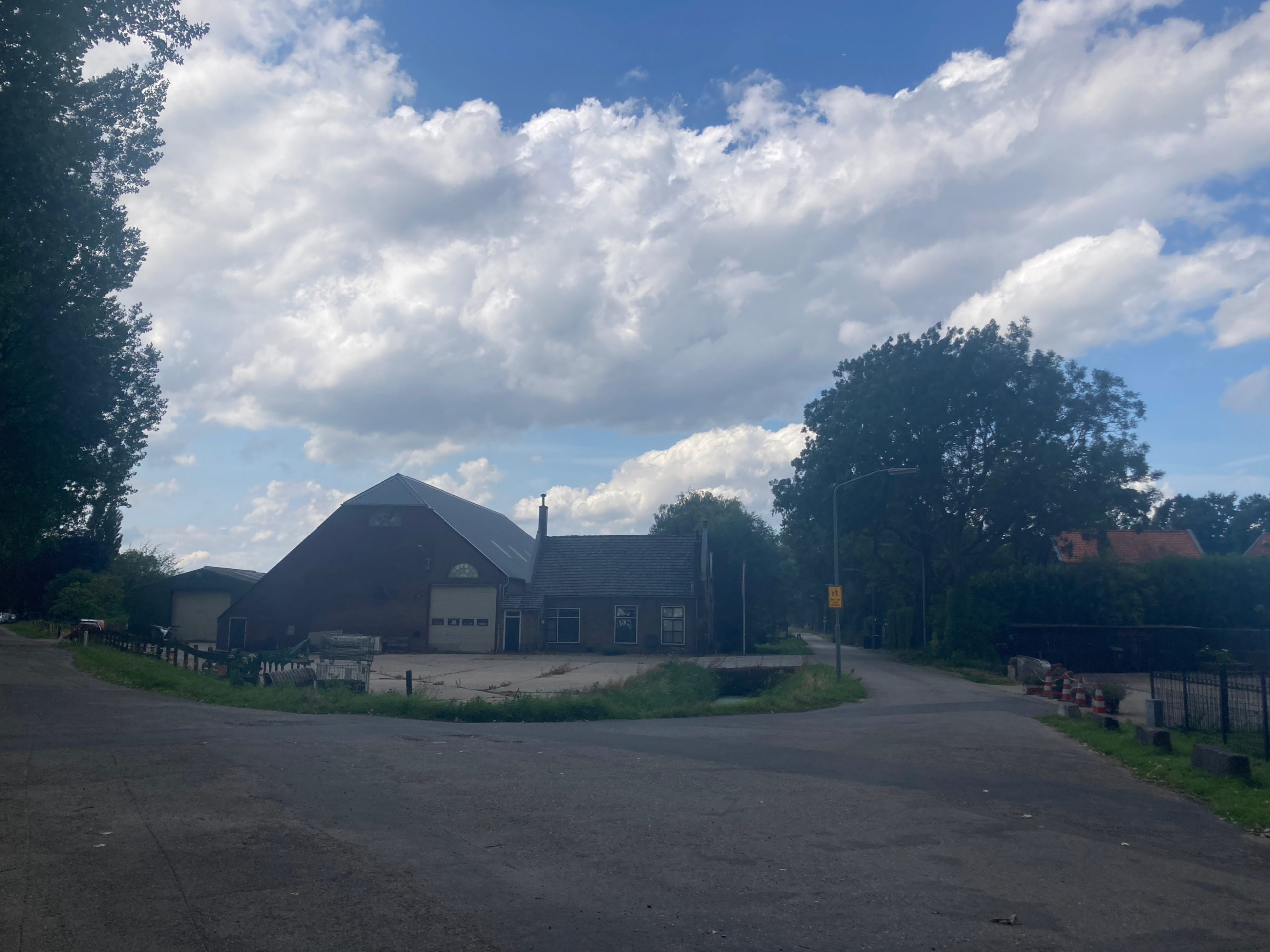
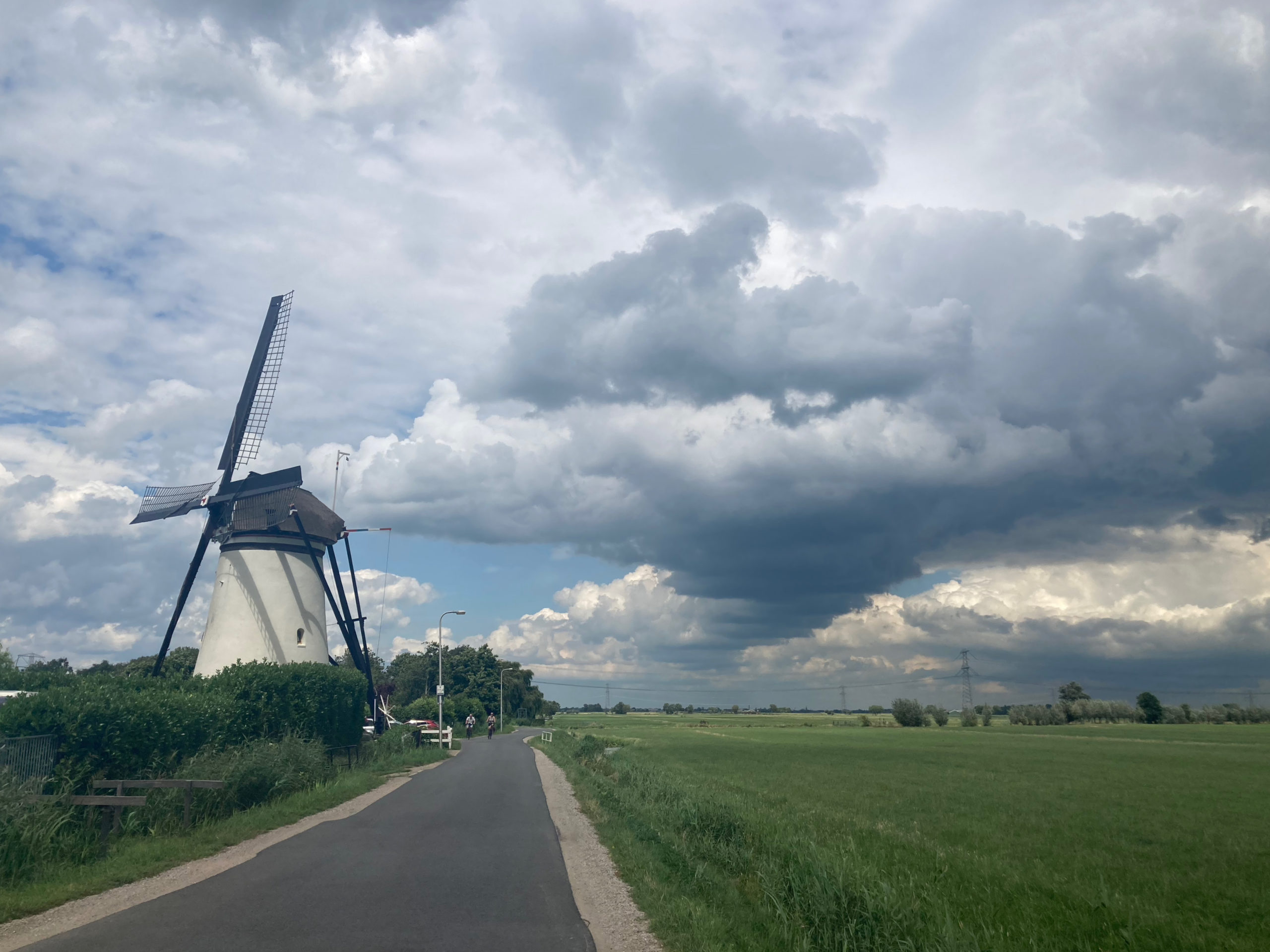
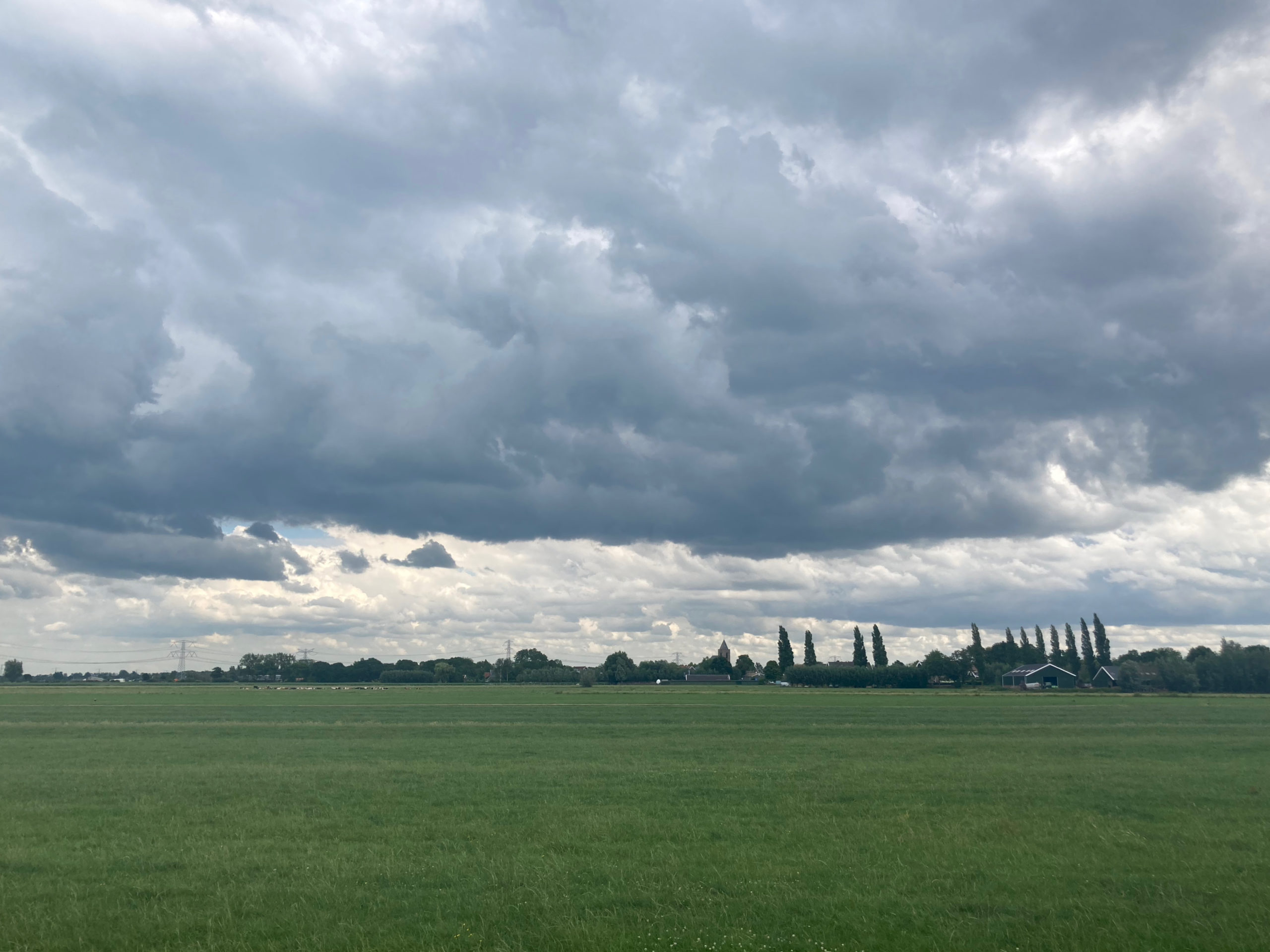
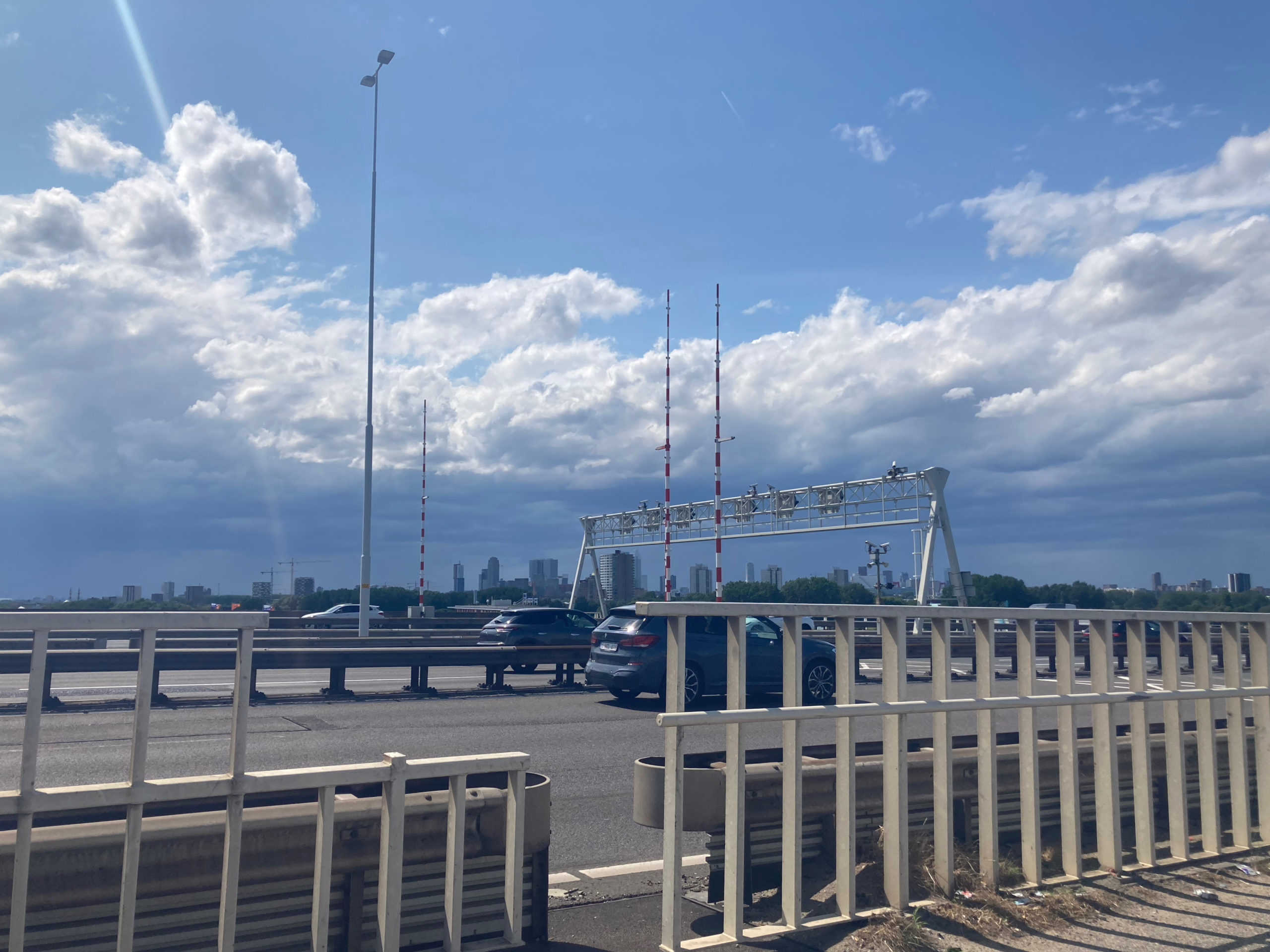
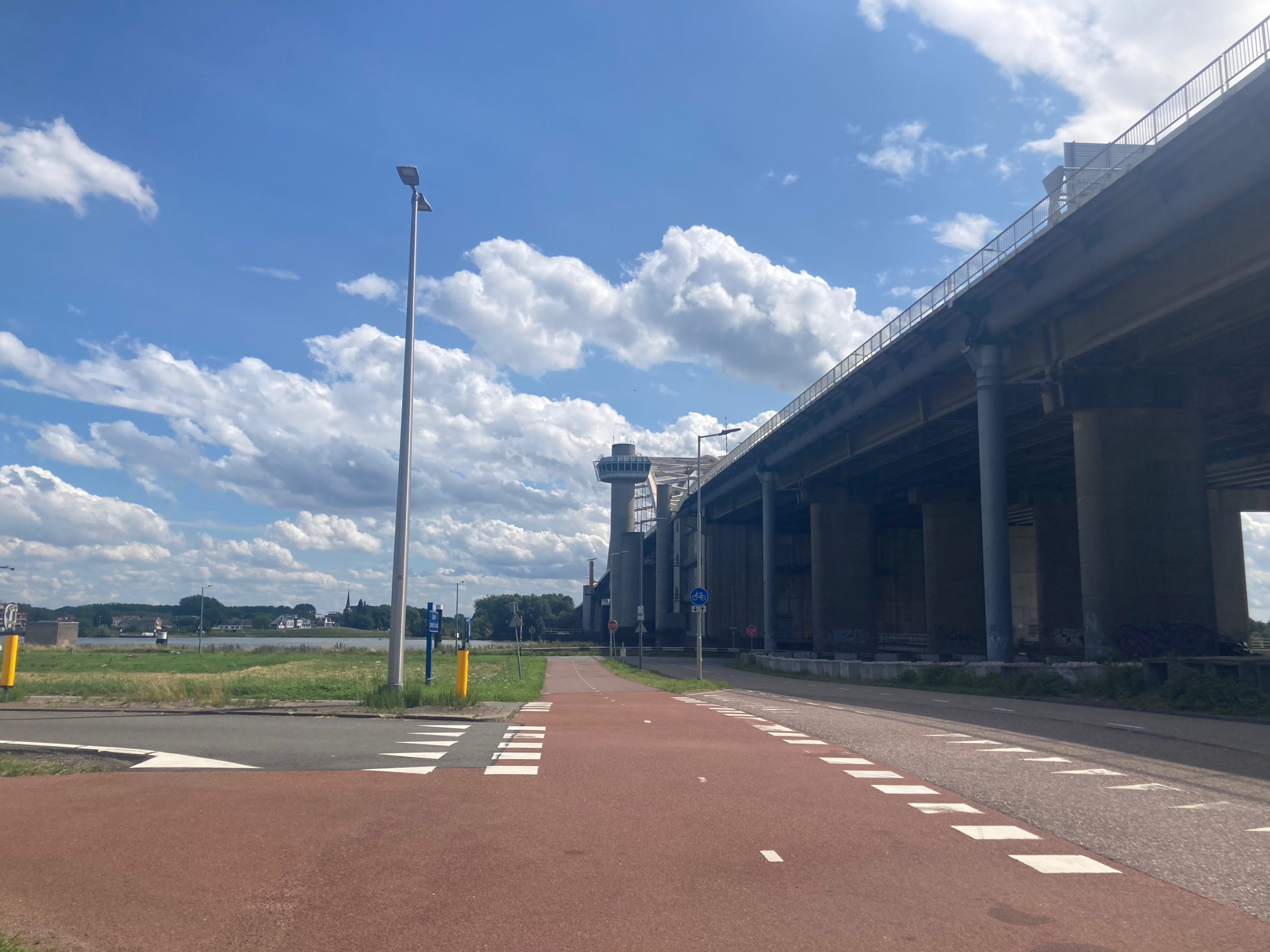
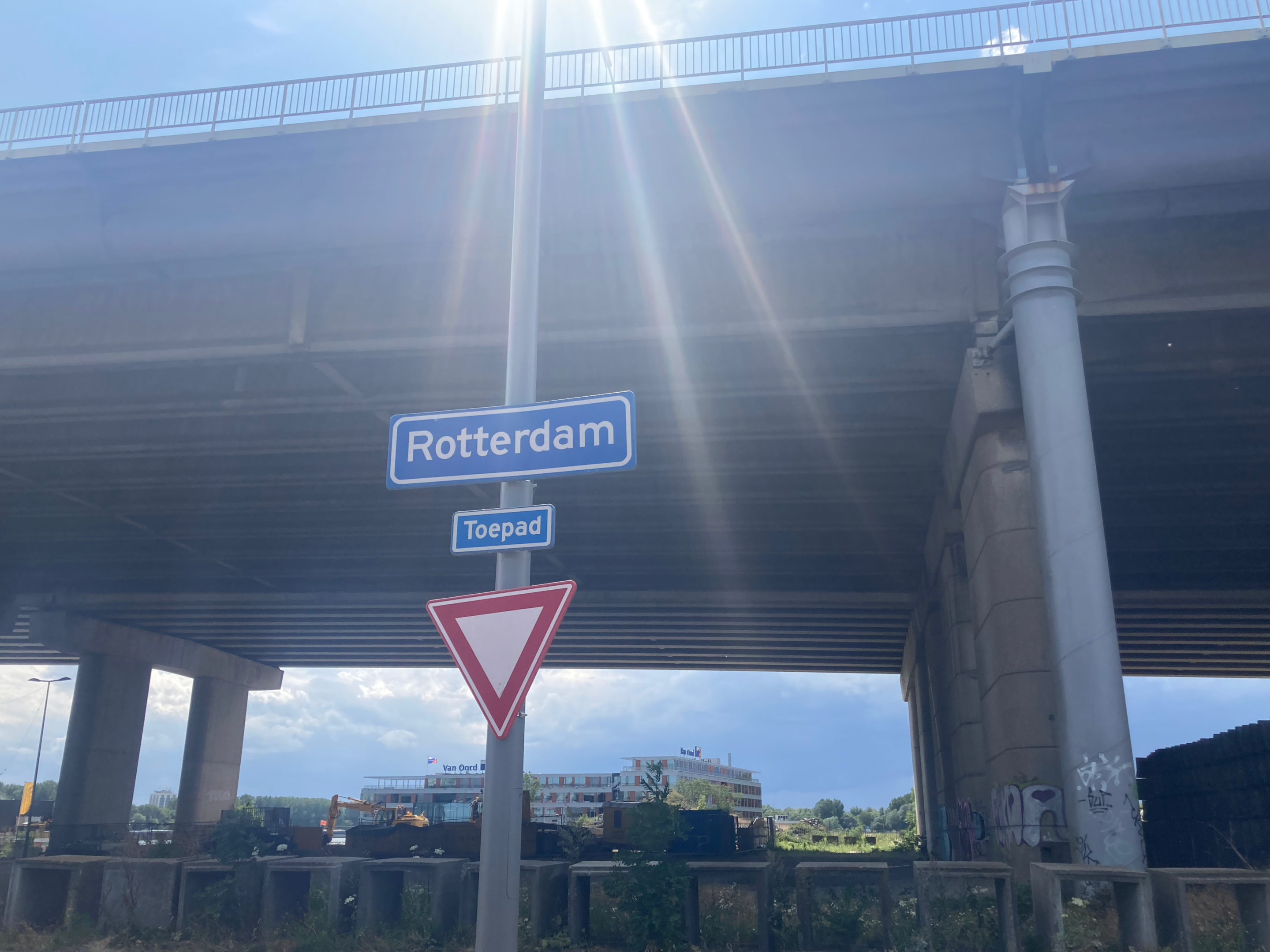
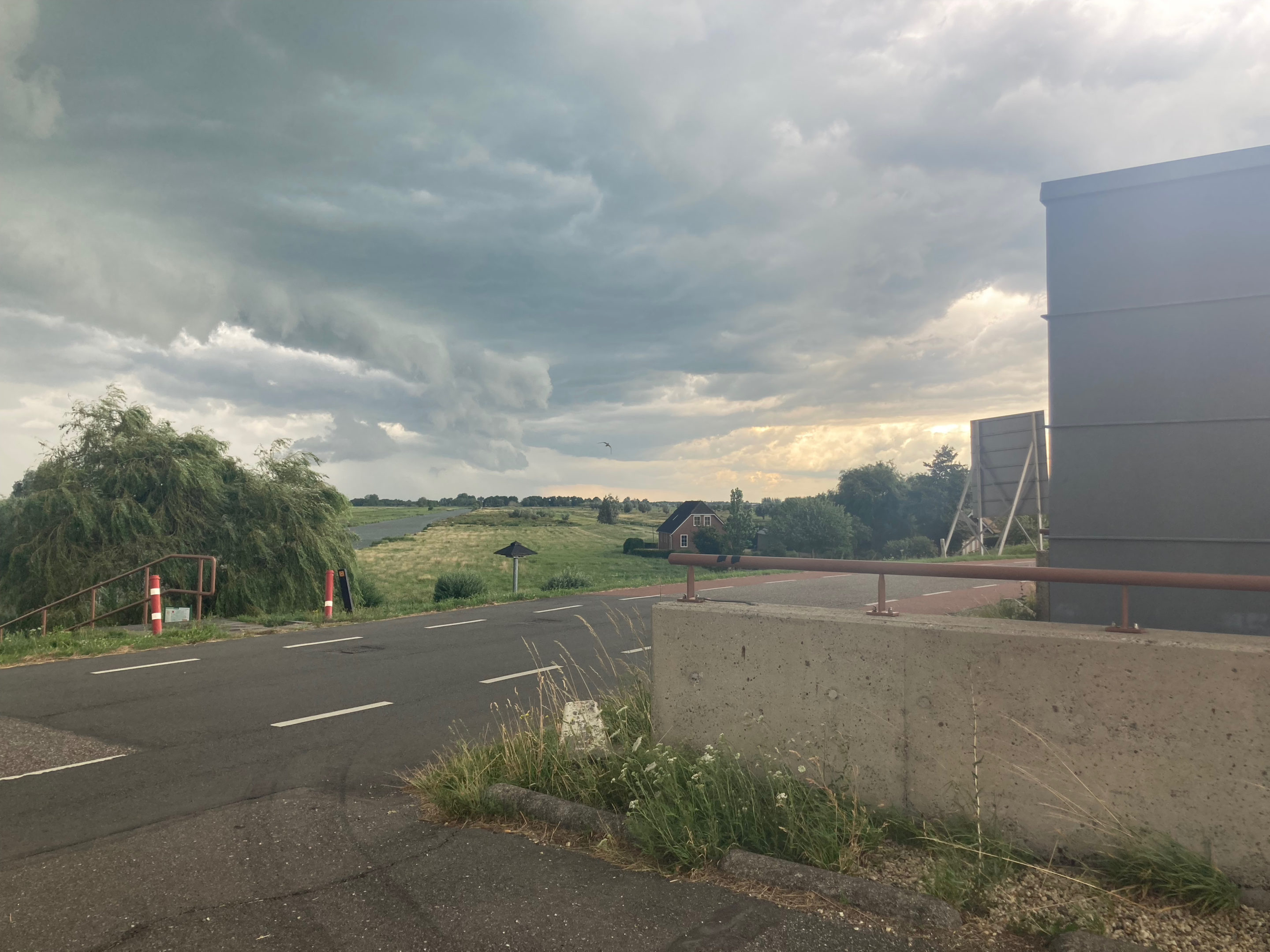
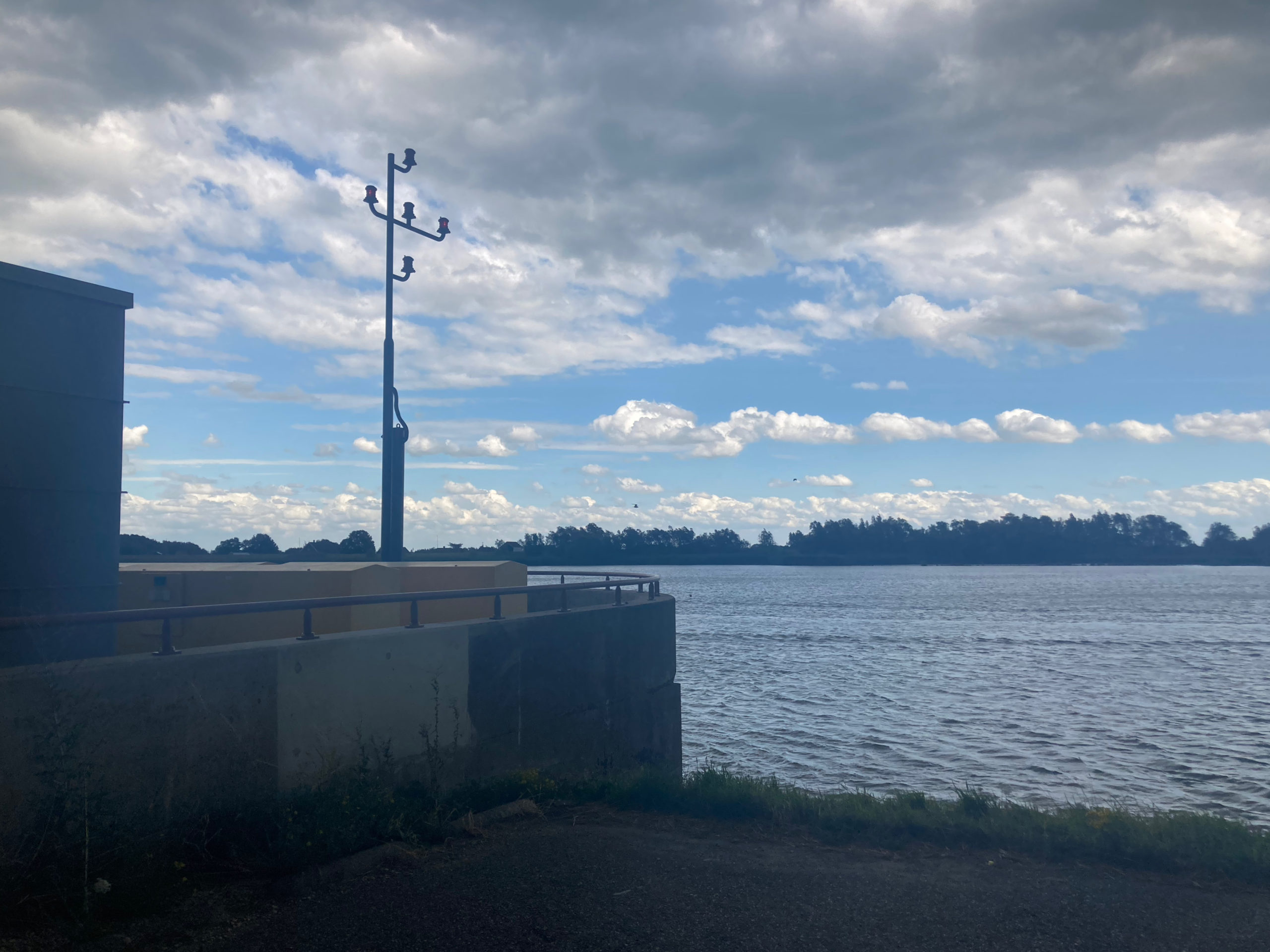
A road into the Overdiepse Polder. The polder was transformed into a peninsula in 1904 when the Bergsche Maas was dug in the north. In the south runs a previous Maas stream bed (Oude Maasje). The Overdiepse Polder was transformed again between 2010 and 2015, when it was turned into ‘water storage’ in case of high river tides. New farm houses like this one were built on terps adjacent to the southern ring dyke. The original buildings were destroyed. A Richard Buckminster Fuller geodesic dome: at the headquarters of car importer Louwman & Parqui in Raamsdonksveer. The main square in Geertruidenberg with the landmark Geertruidskerk. On the other side of the main square rises the cooling tower of the Amer power plant, like a distant sister. The square is used as a car park: you don’t see this often in Dutch historical towns. In Drimmelen is the Biesbosch marina. Komoot showed me a public water fountain here, but I did not find it. Luckily I had an alternative option 10km further in Lage Zwaluwe. The Amer dyke was occupied by sheep with their offspring. I stopped to let them pass, when the last group insisted I pass first. They only moved forward after I continued. Clearly, this made my day. The Amer, and on the other side, the Biesbosch. The monument at the Moerdijk bridge. The center is a relief by Frits van Hall that was attached to the original bridge from 1936. When a new bridge was built in 1978, it was enclosed in two girders from the old bridge and placed here. A WW2 bunker built by the German occupiers to defend the Moerdijk bridge. A string of P type bunkers along the Buitendijk near Den Engel. These kinds of bunkers were built just before the occupation during WW2. During the Blitzkrieg heavy fights took place here. A P type bunker up close. The bunkers on the isle of Dordrecht belonged to Groep Kil. This group’s goal was to protect the front along the Moerdijk bridges. Another P type bunker on someone’s yard. Although after the war these bunkers were carriers of bad memories, not many of them were actually removed because the expense was prohibitive. A total of 570 were built. Some of them found another purpose. An old farm house on the Zuidendijk in the Zuidpolder. The Kooiwijkse Molen along the river Alblas, just outside of Oud-Alblas. A view towards the East. Showers are forming in the distance, and the wind was picking up. Crossing the Brienenoordbrug over the Nieuwe Maas, with the Rotterdam skyline in the distance. North of the bridge, on the border of Capelle aan den IJssel and Rotterdam Kralingen. The control cabin is visibly inspired by the Euromast. You better believe it! Looking across the Lek towards the Kinderdijk windmills from Lekkerkerk. While the sky kept getting darker, I still had some hope the showers would pass me. Just before Bergambacht, looking northeast where I was heading. The sky seems light on the photo. In reality it was as though the sun had already set. Though it seemed better to continue cycling, these views of the sky were so stunning it seemed daft not to enjoy them. Only moments later the rain came. It wasn’t long before it became a massive downpour.