Overijssel – Gelderland – Flevoland – Noord-Holland – Utrecht. Where I discovered that the Veluwe can be quite boring. And that the IJssel is properly seductive. The feel on the right side (Overijssel) is decidedly different from that on the left side (Gelderland).
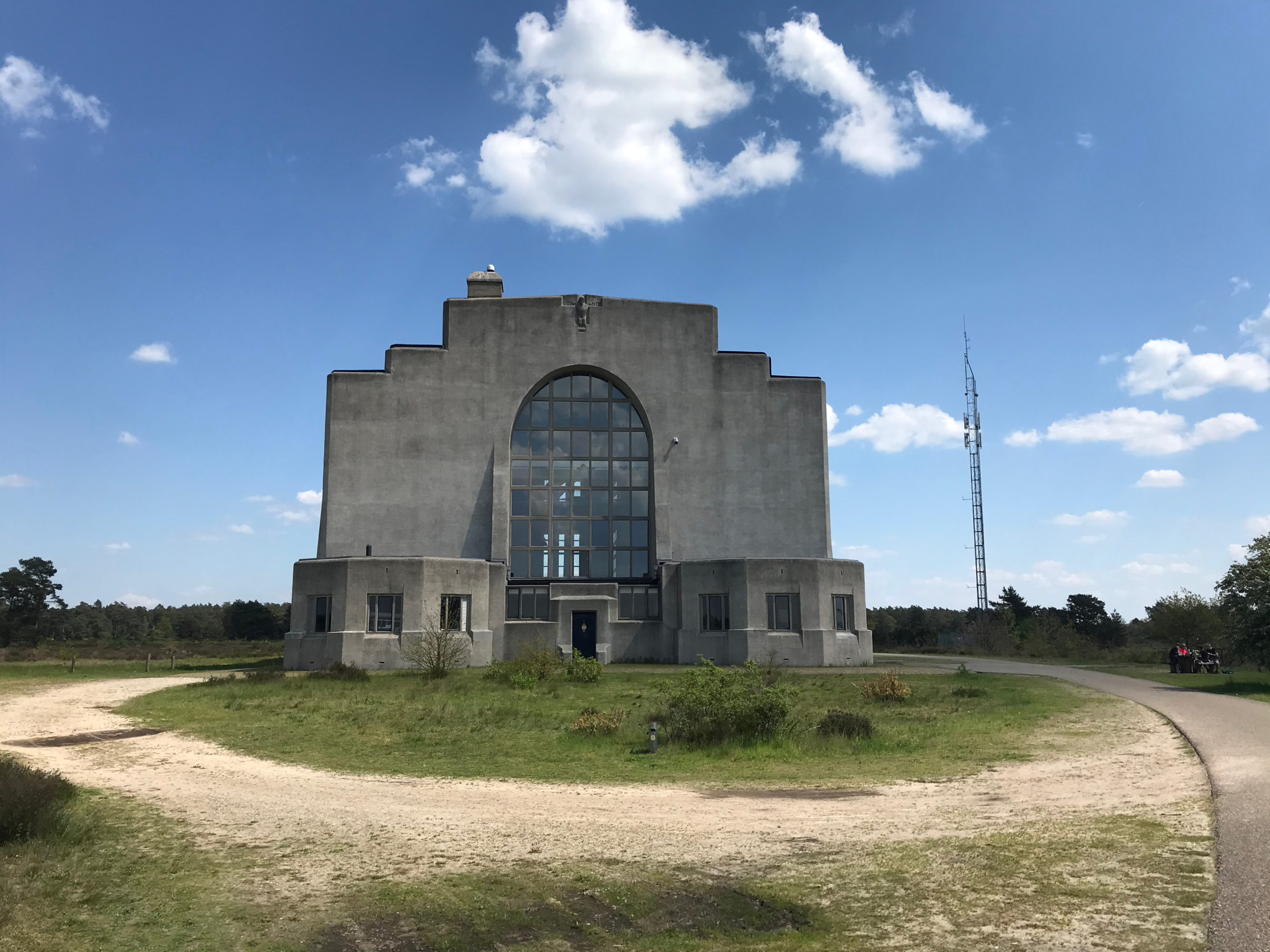
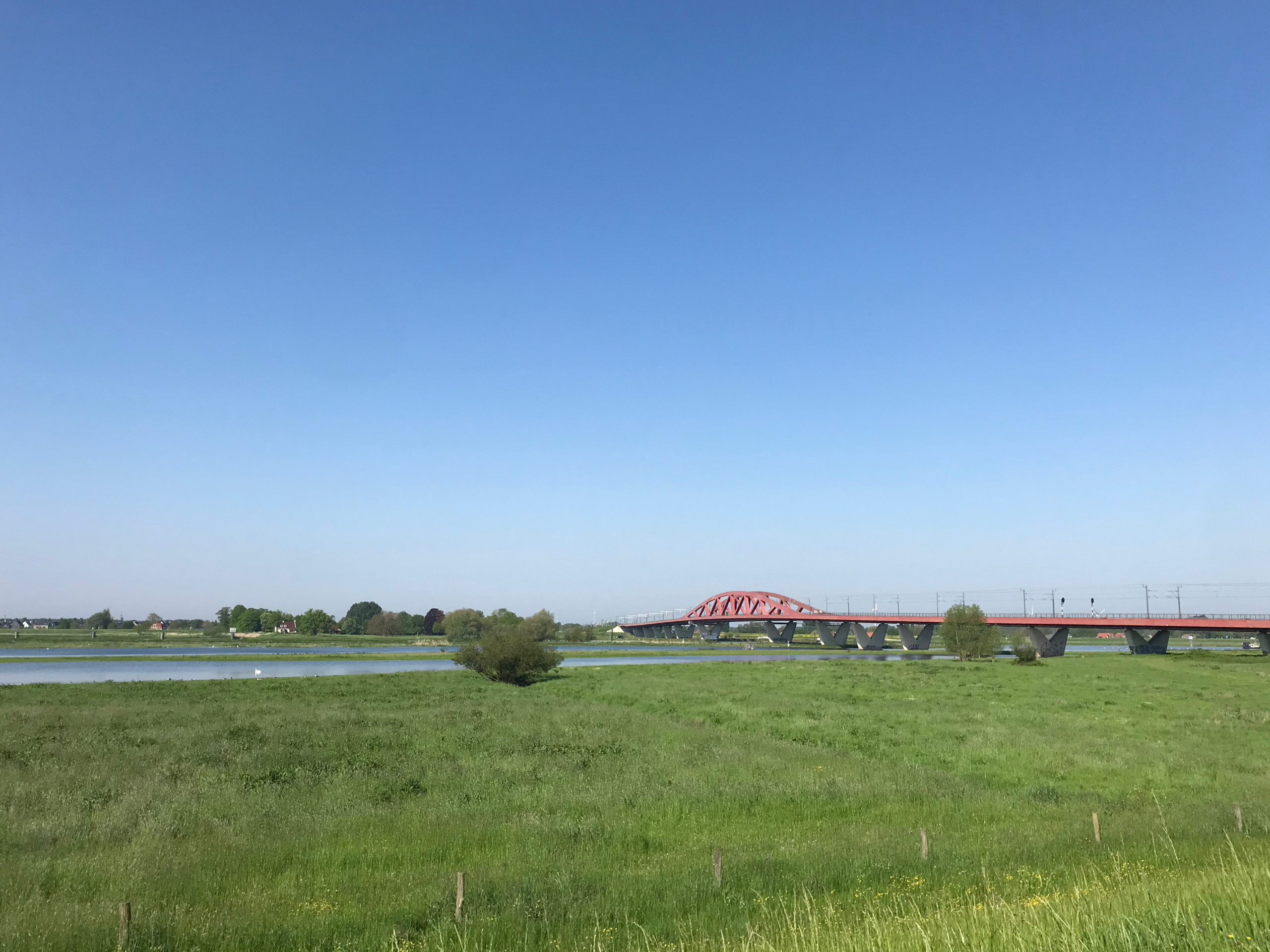
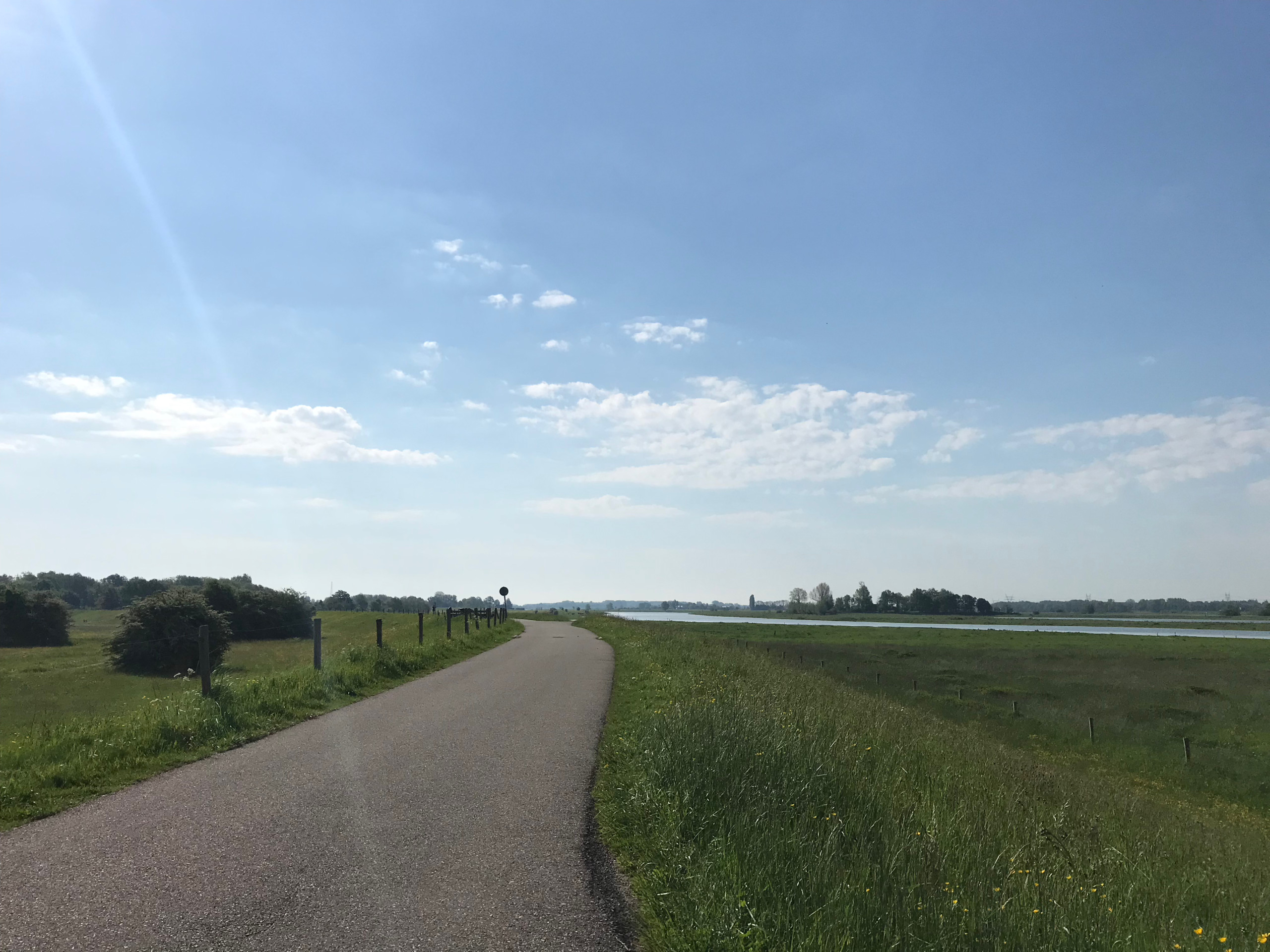
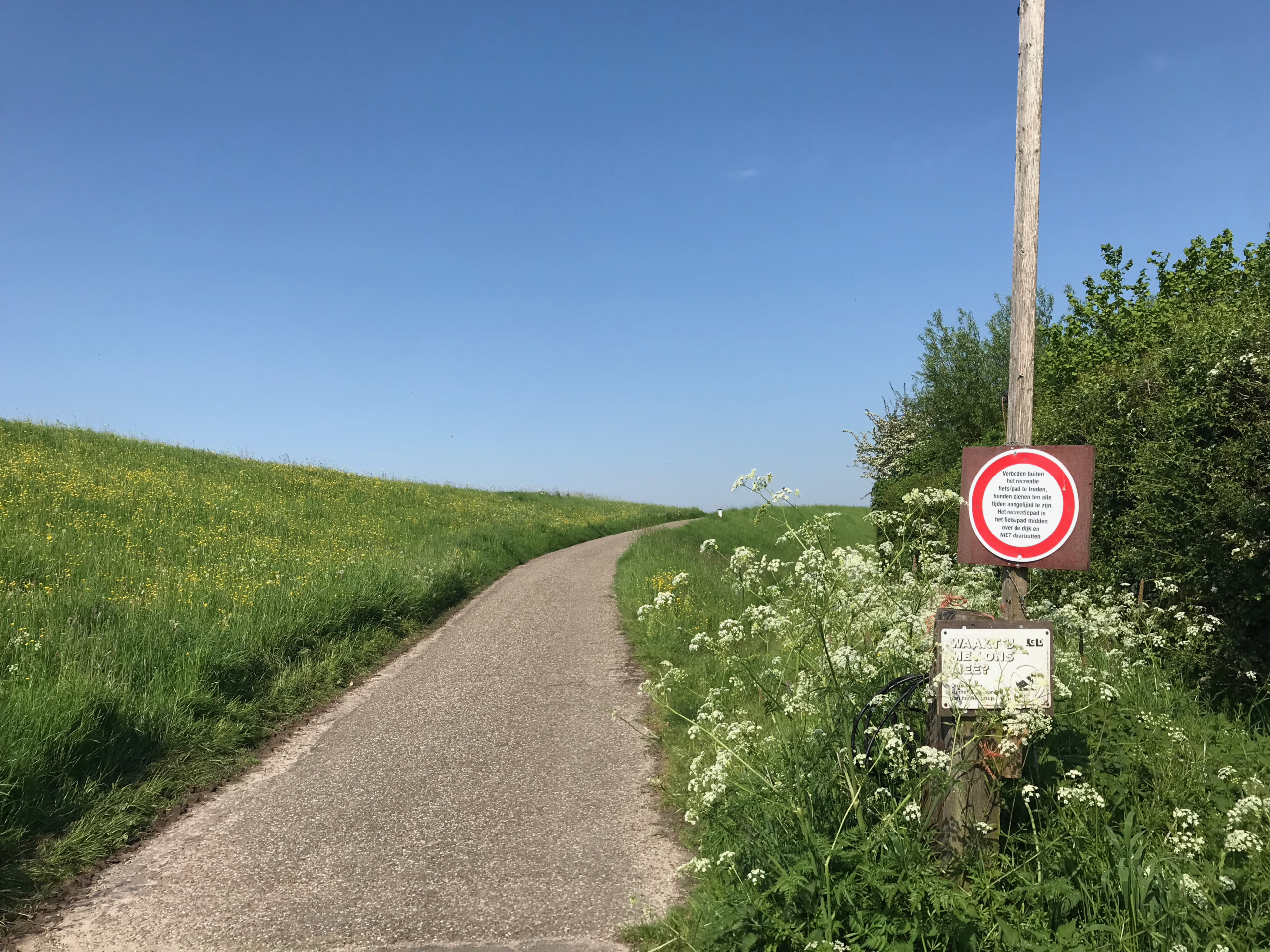
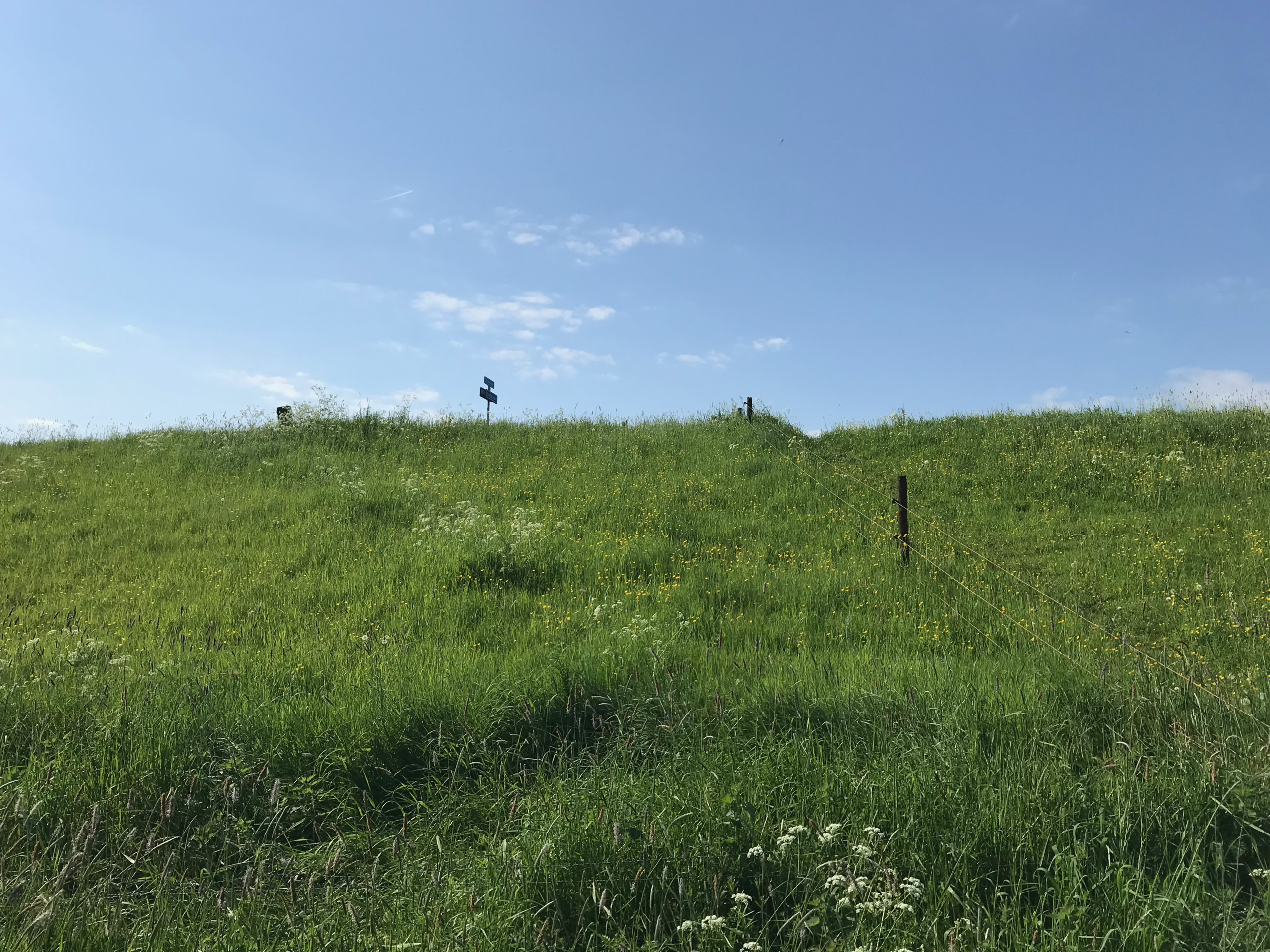
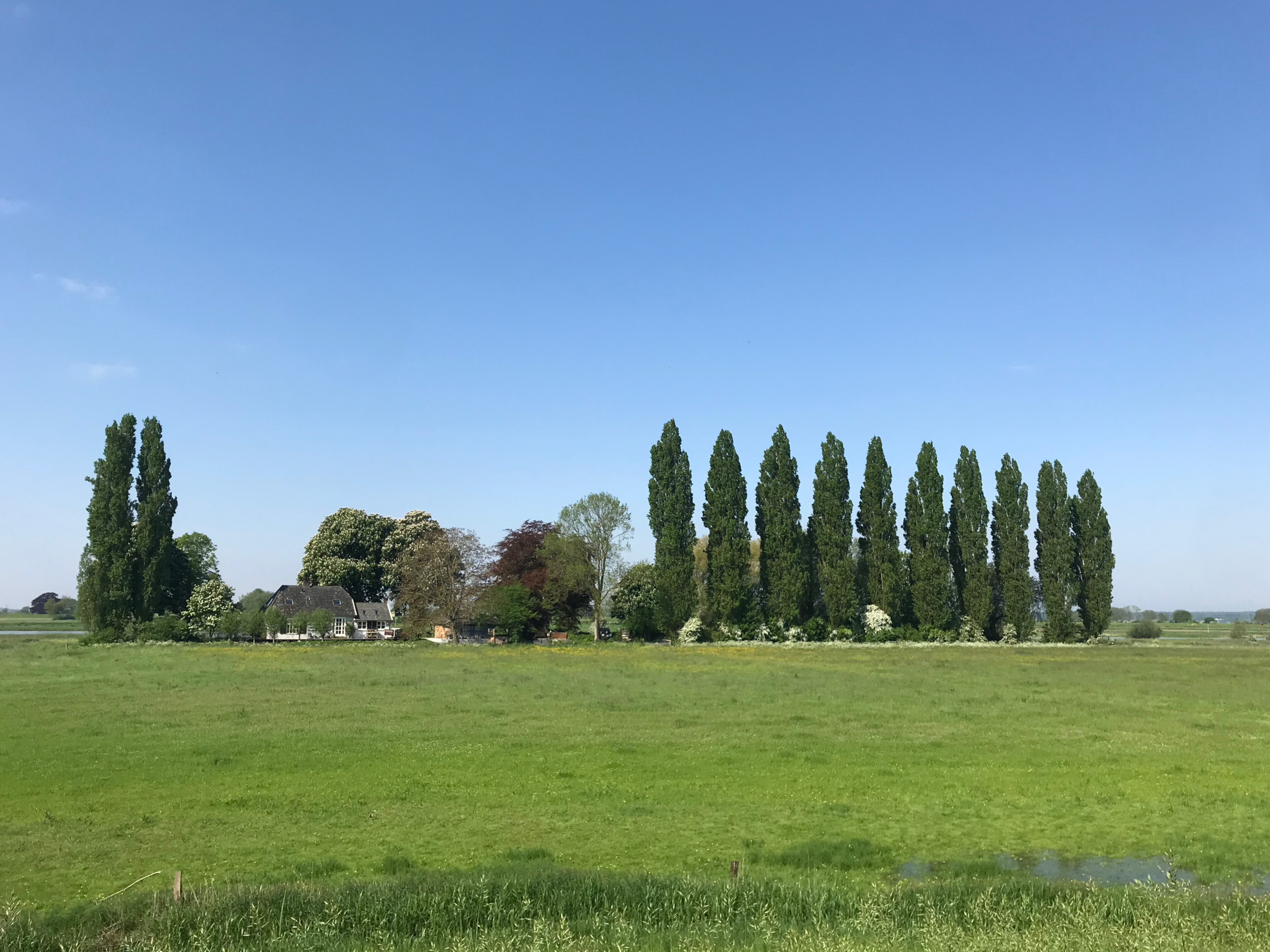
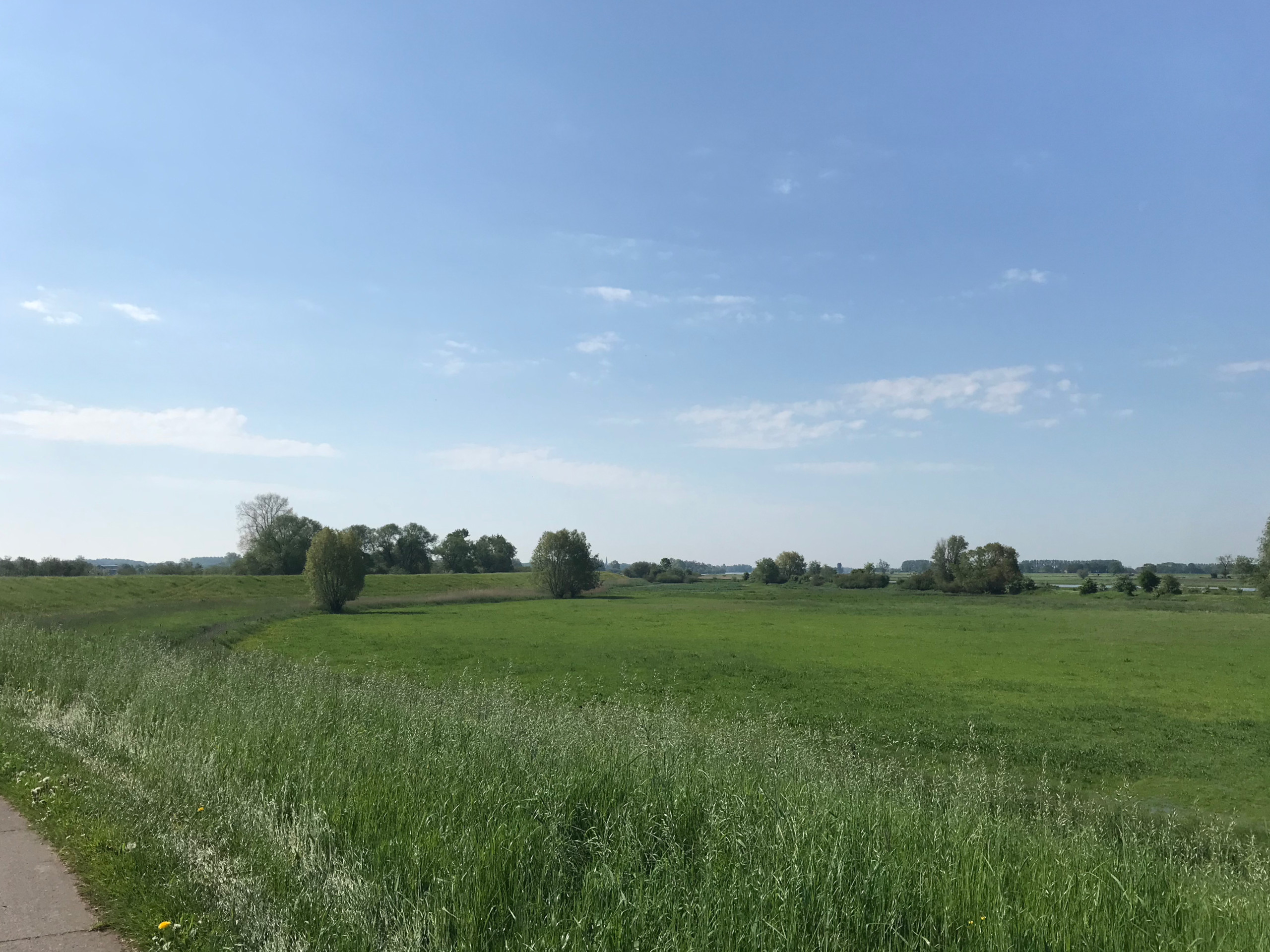
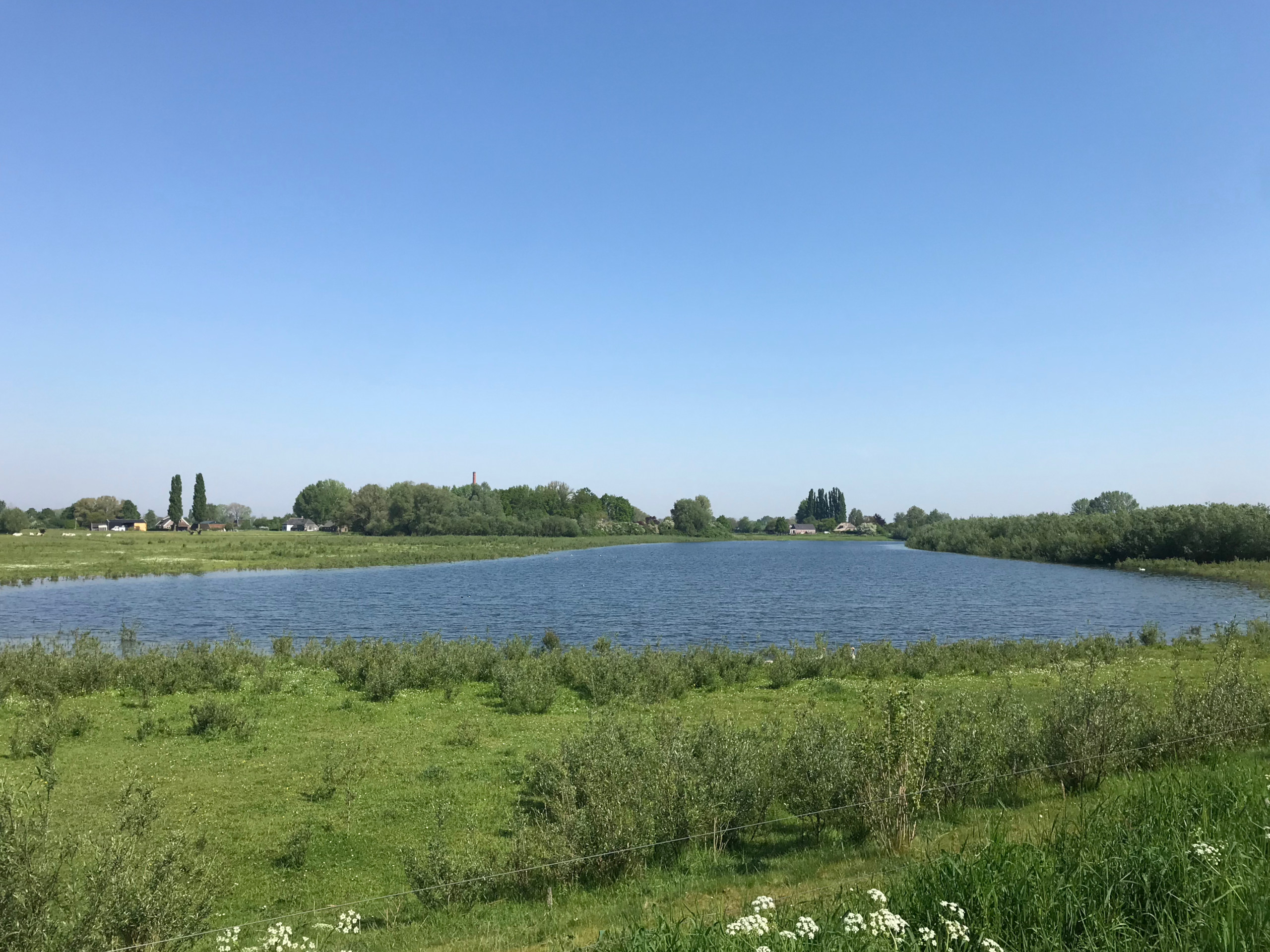
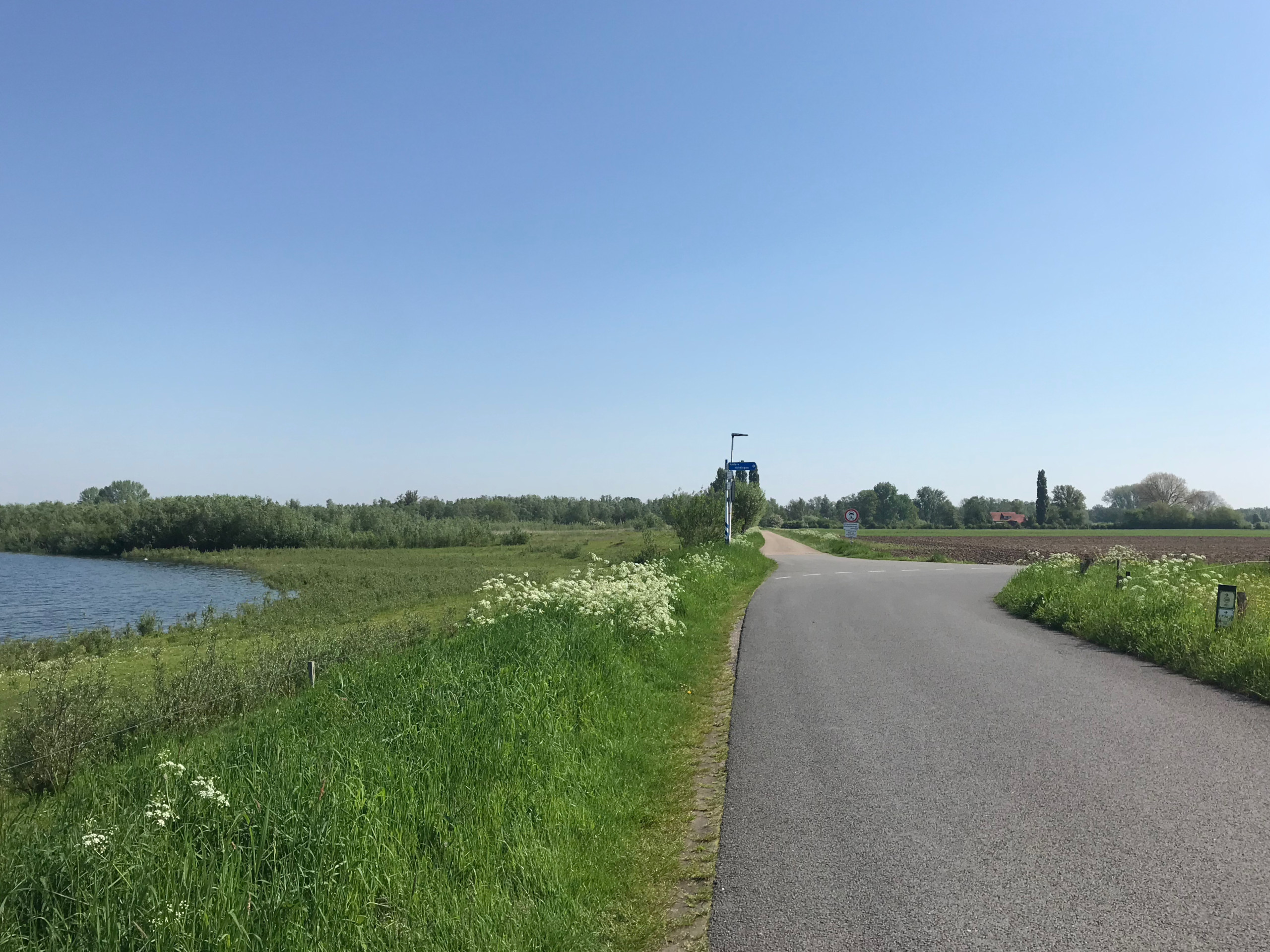
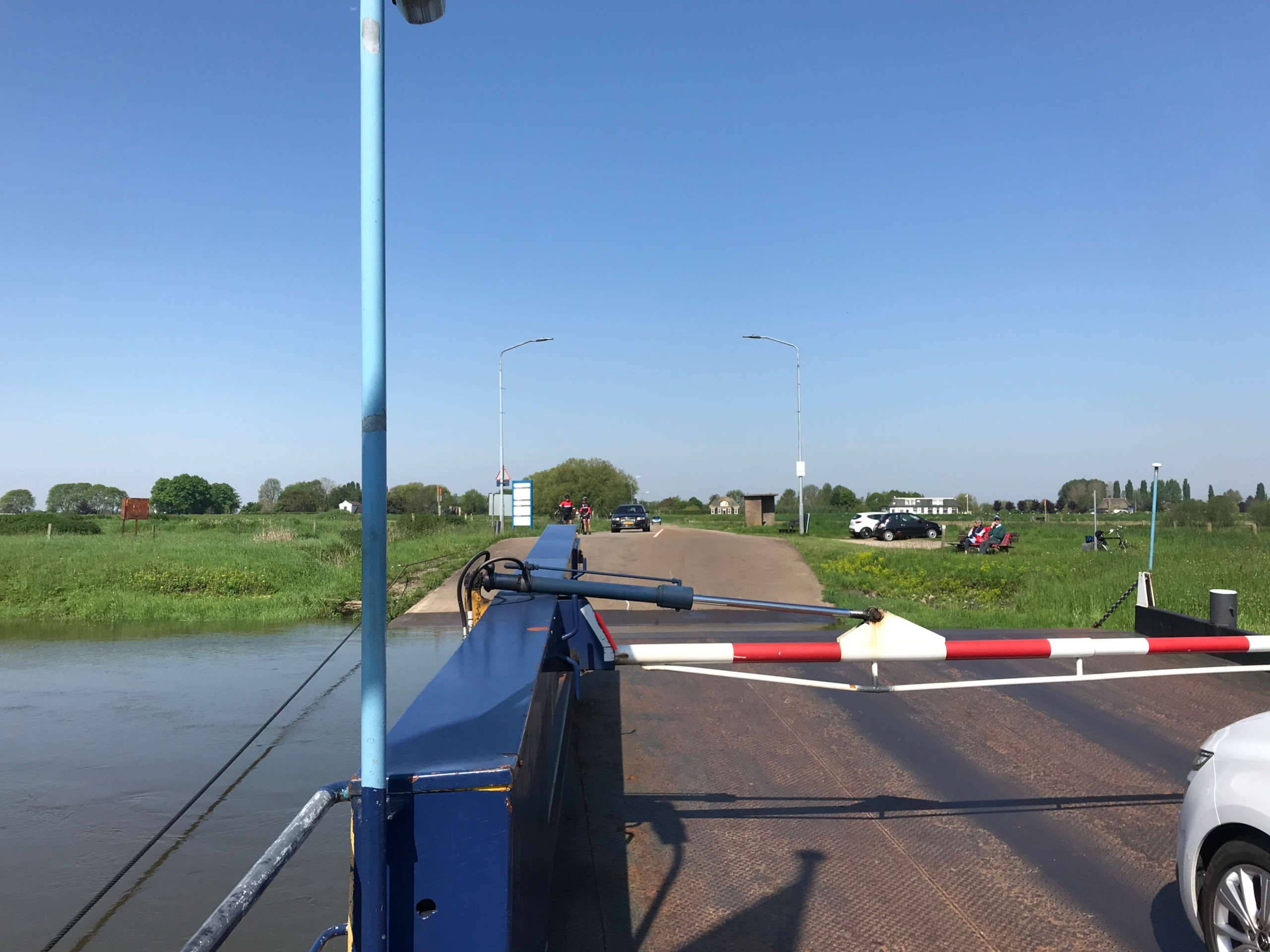
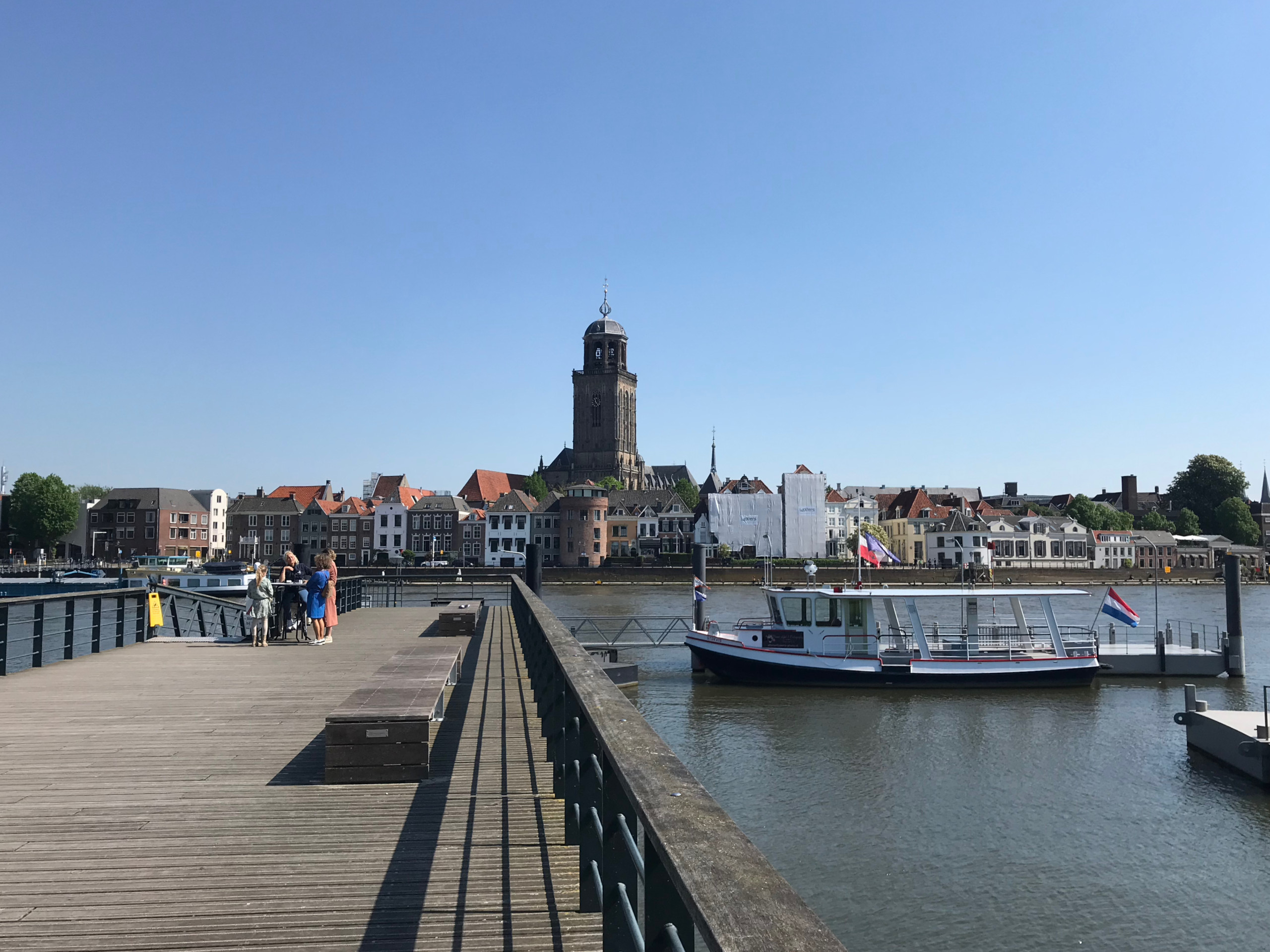
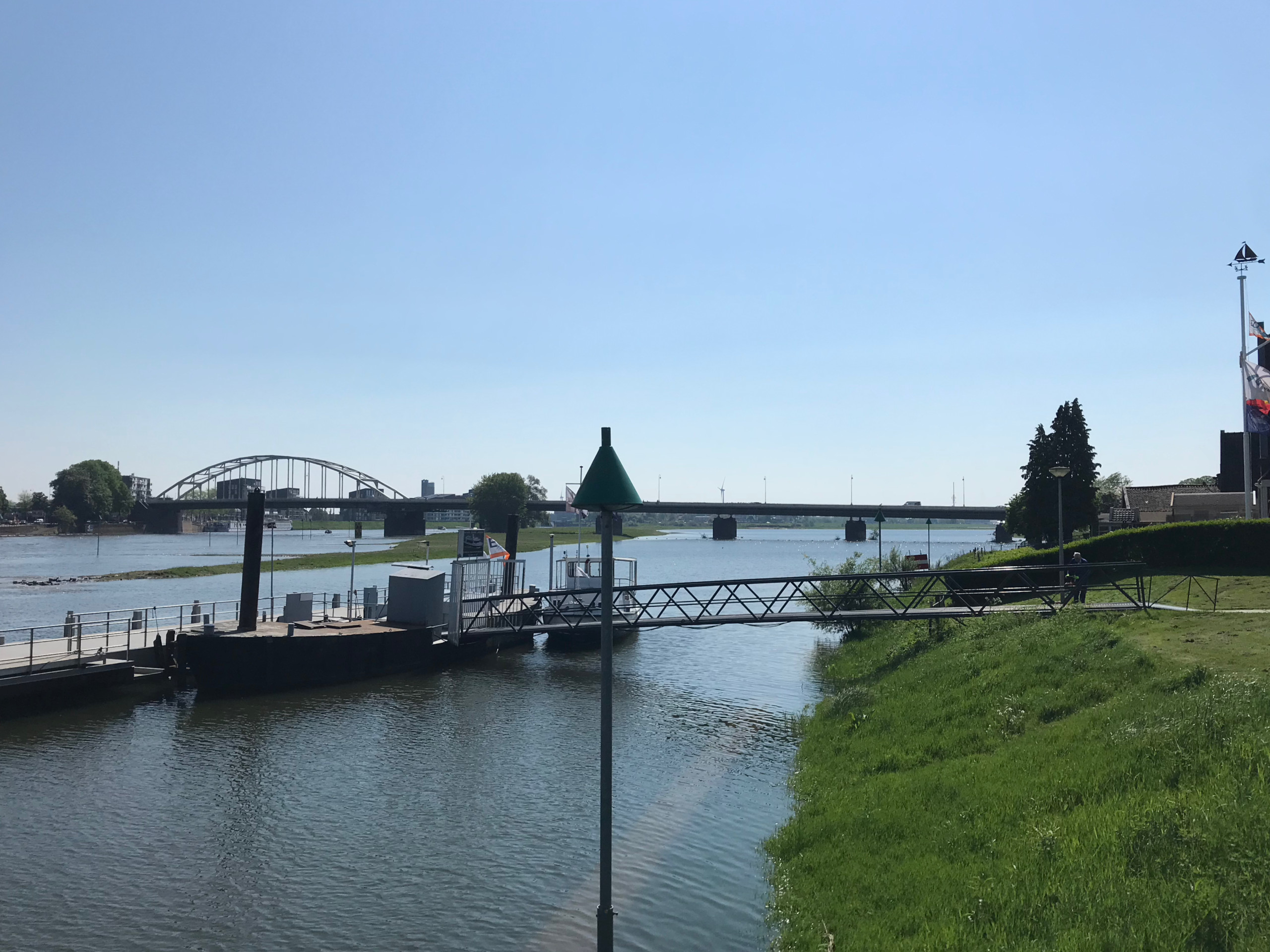
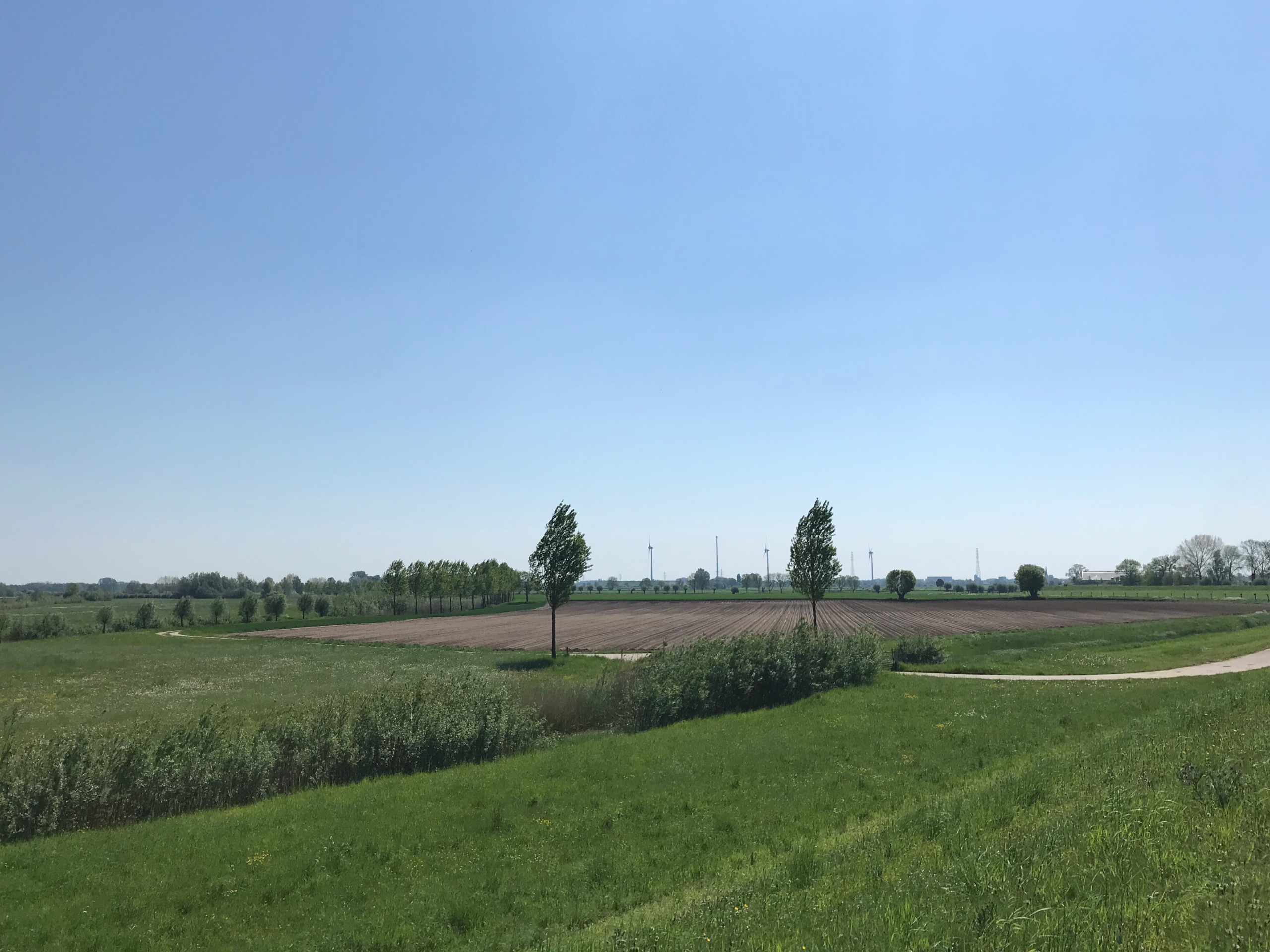
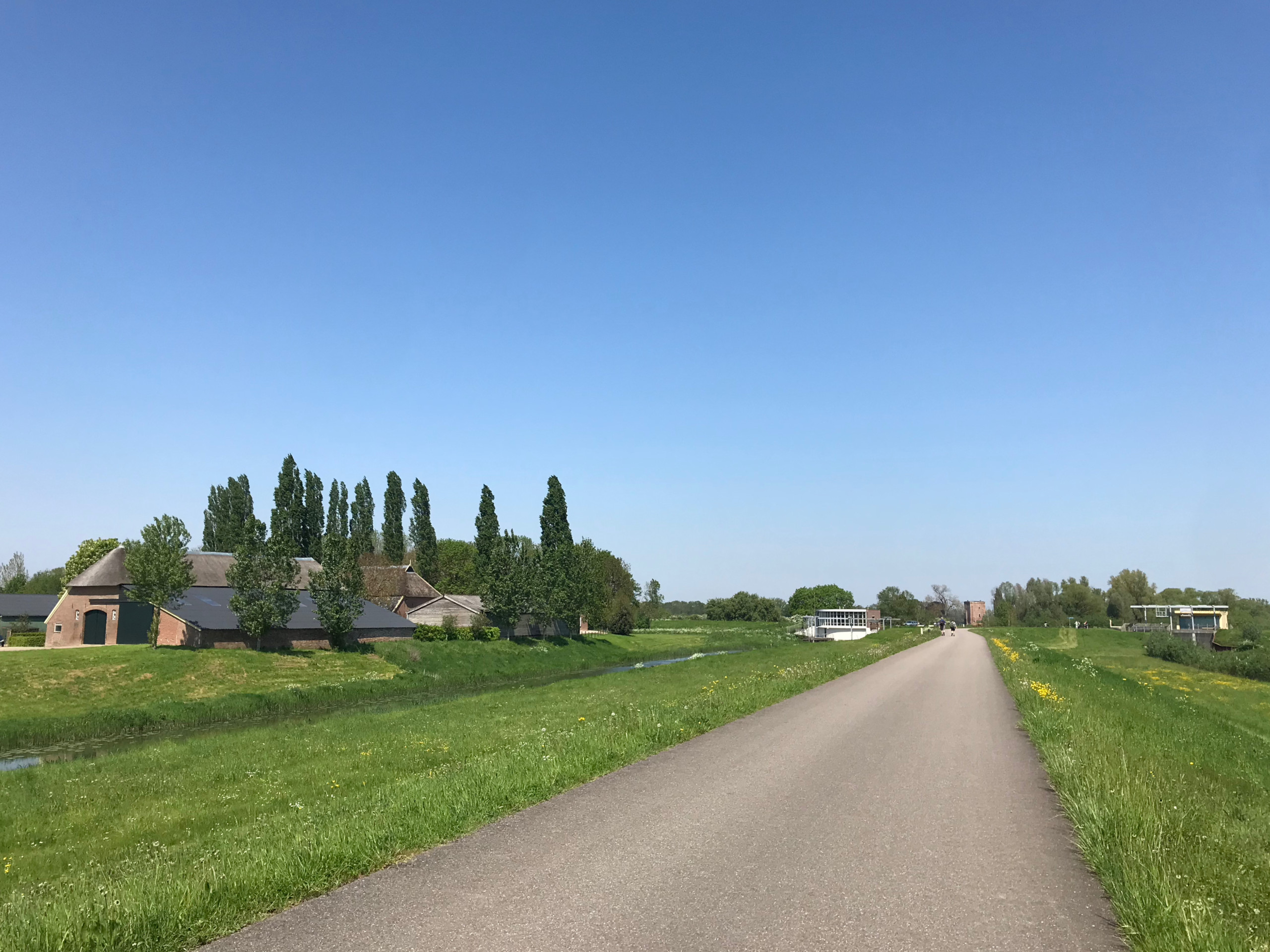
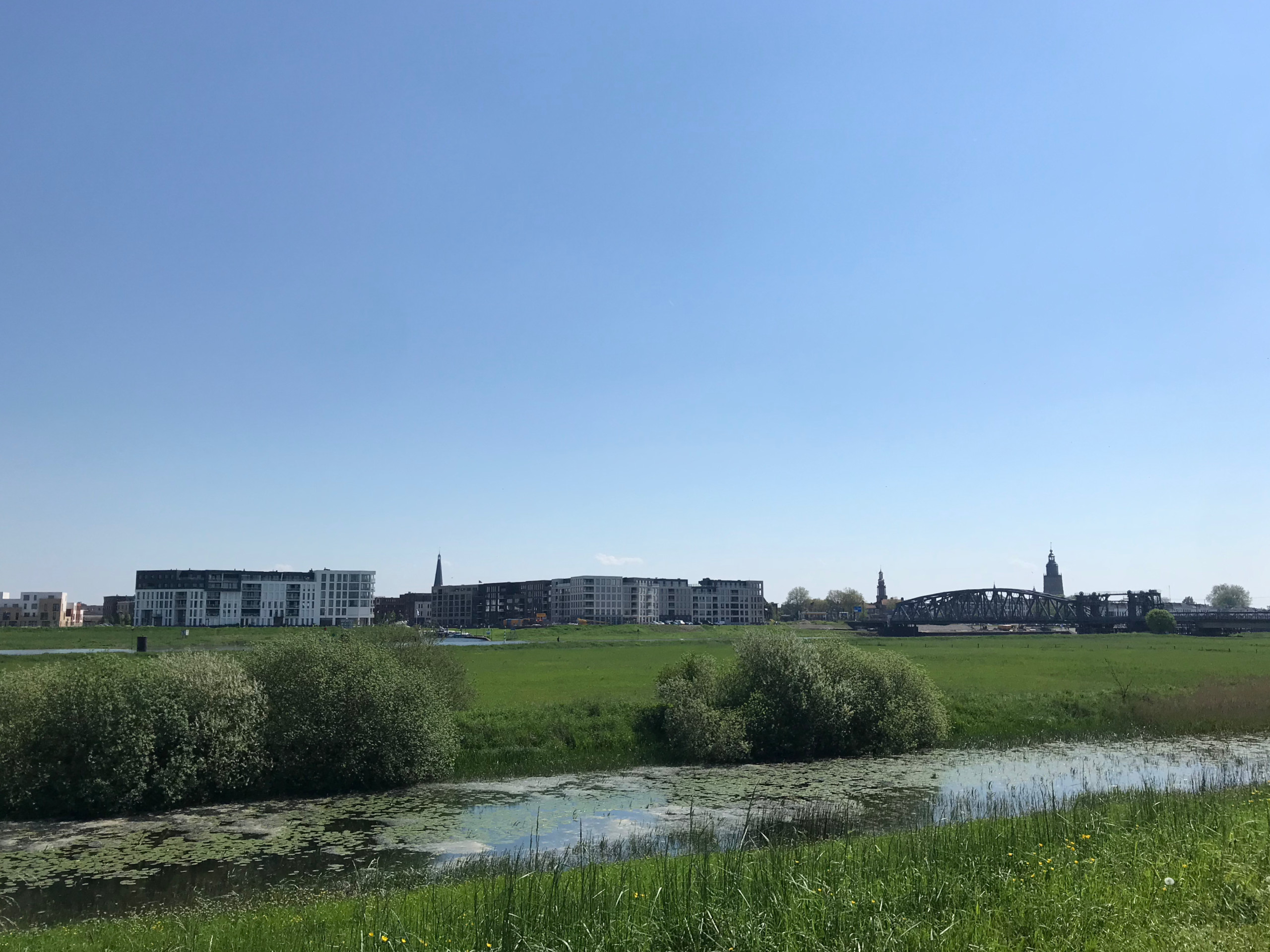
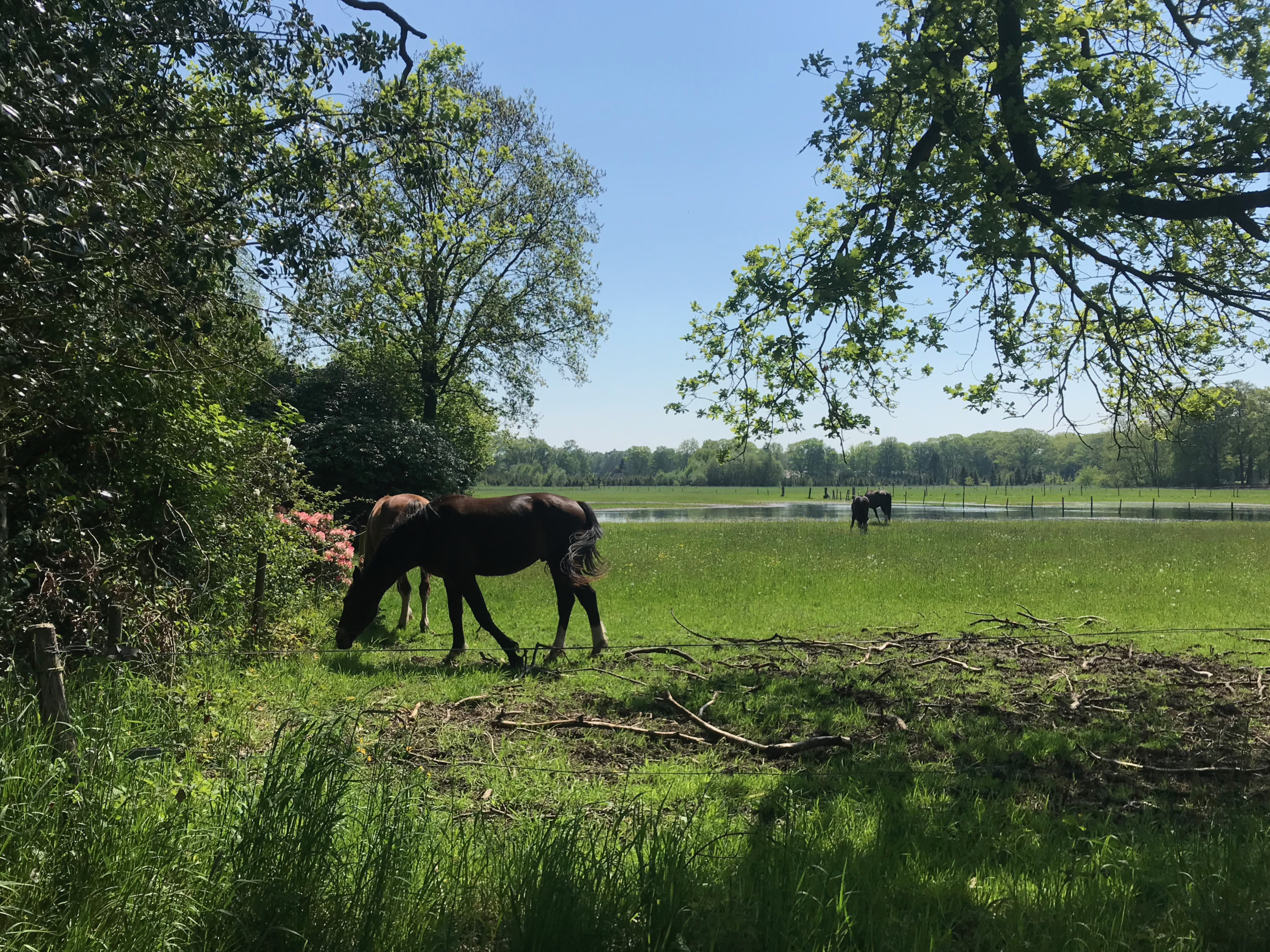
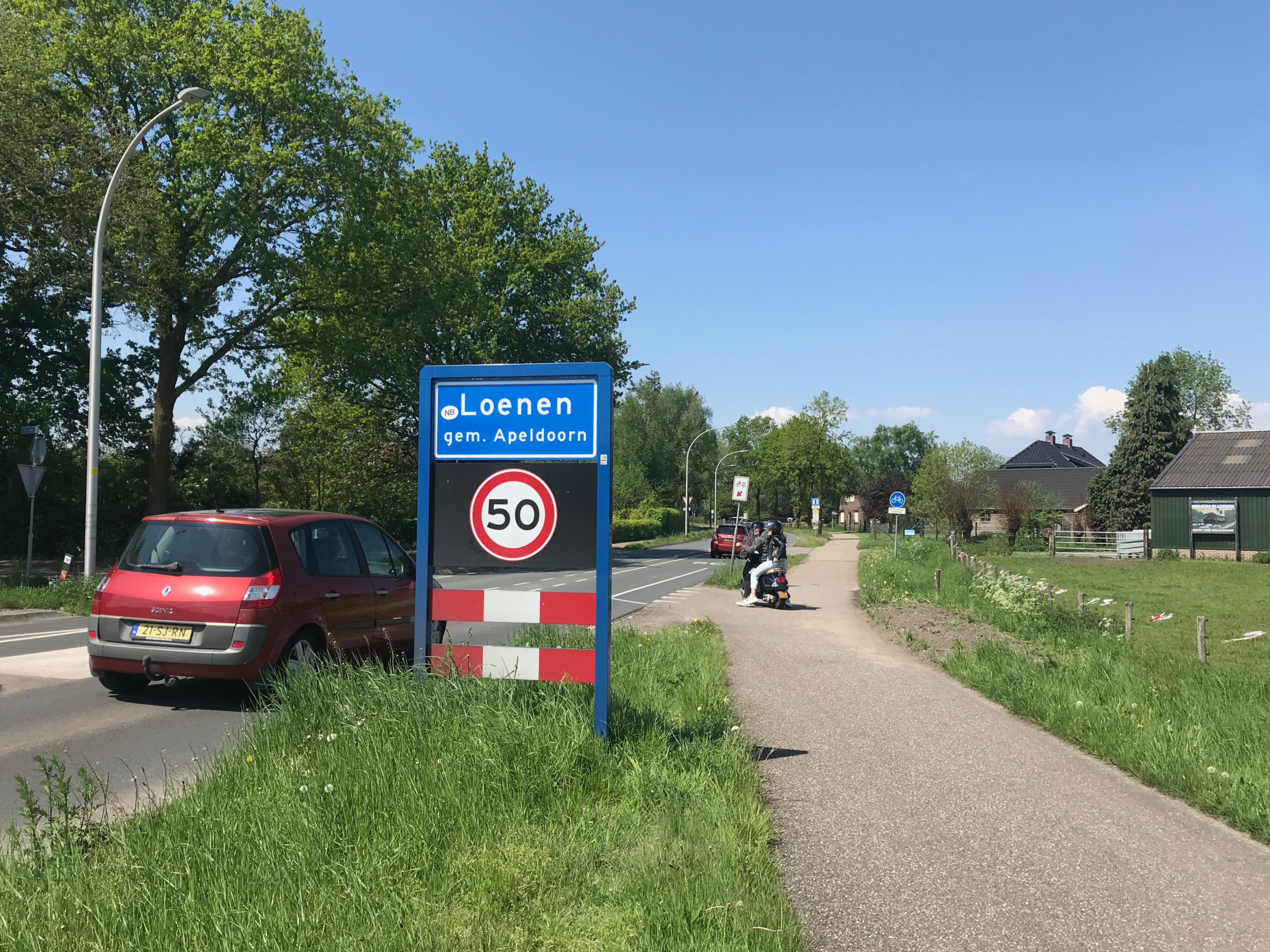
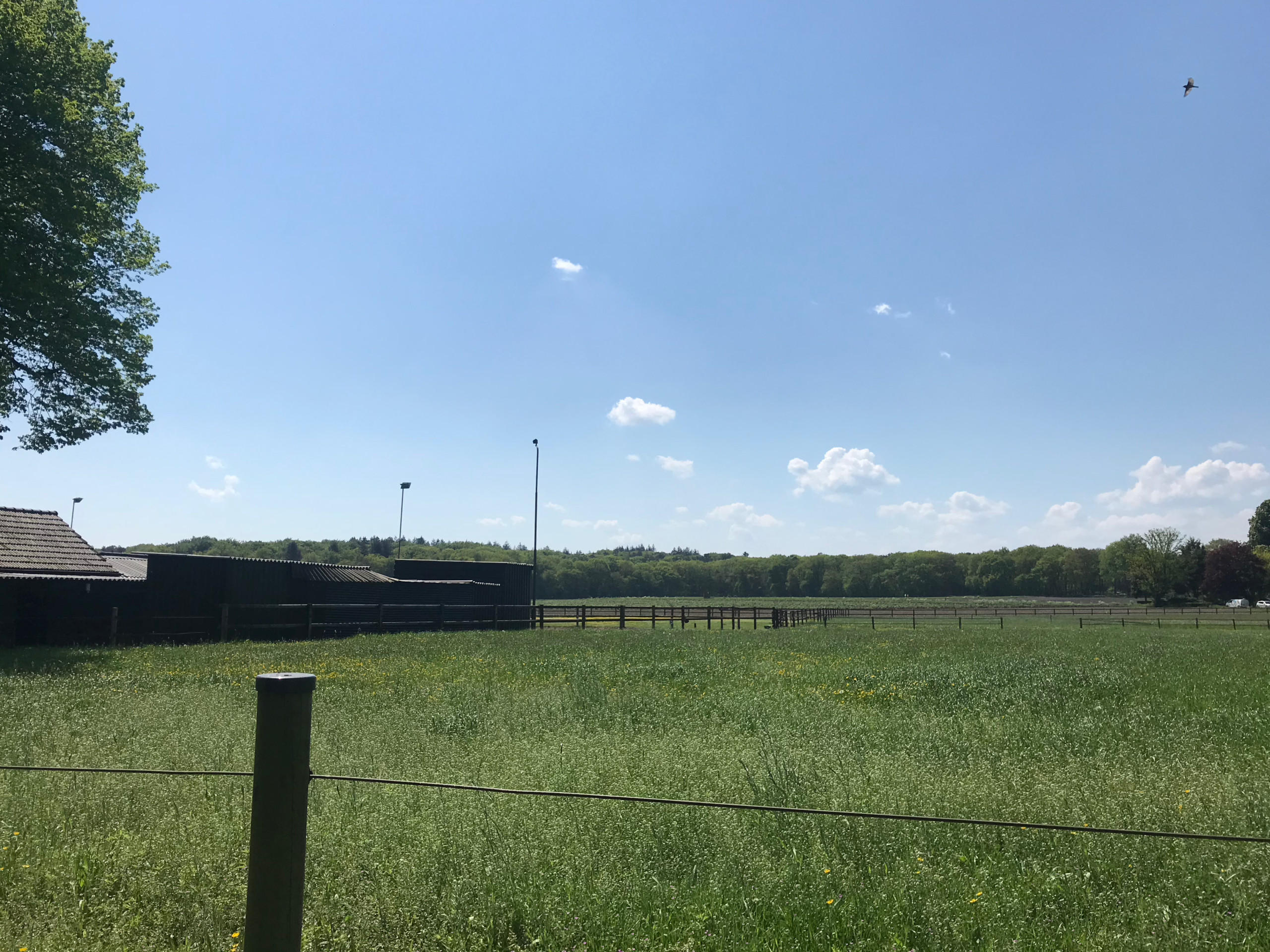
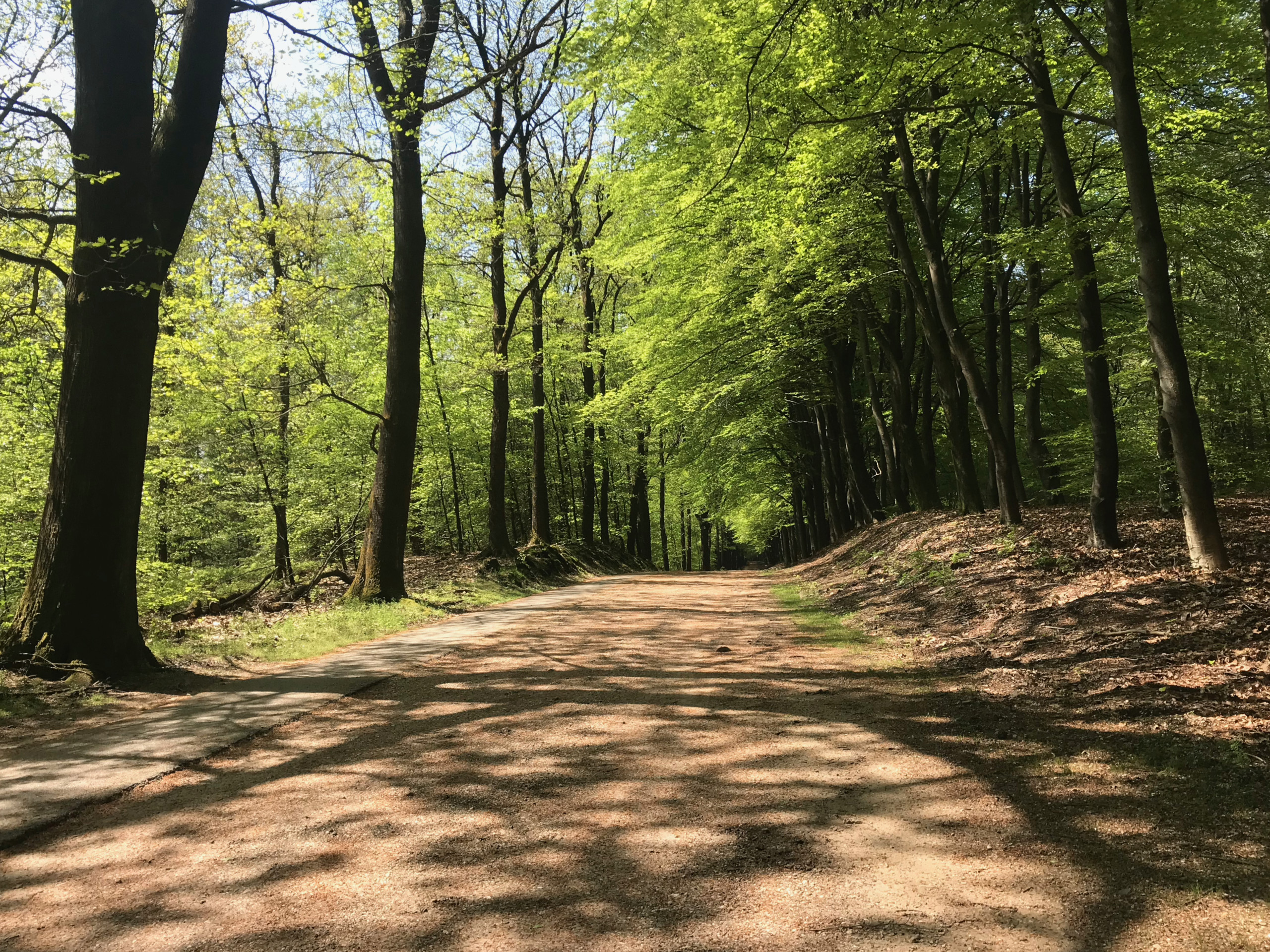
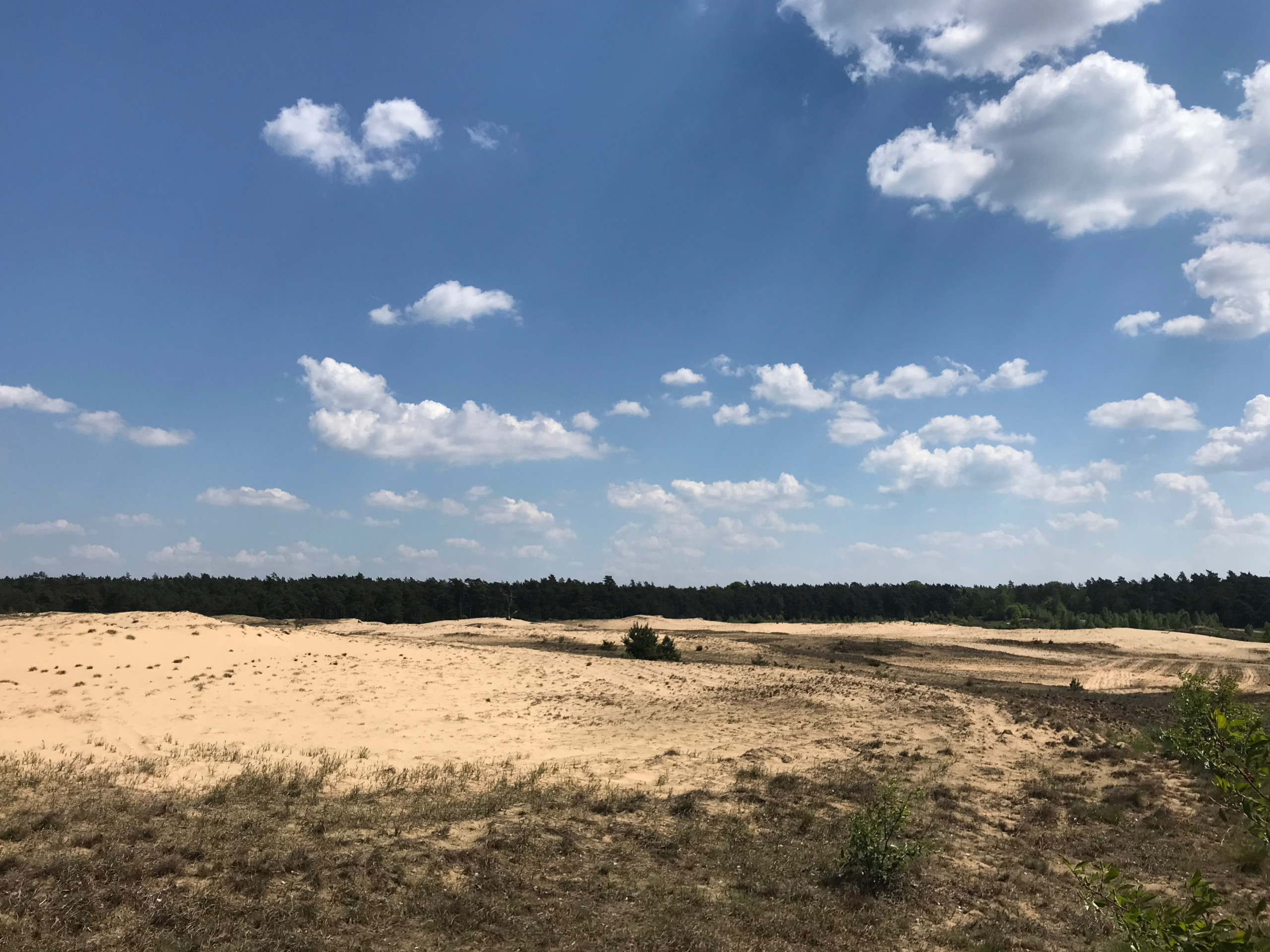
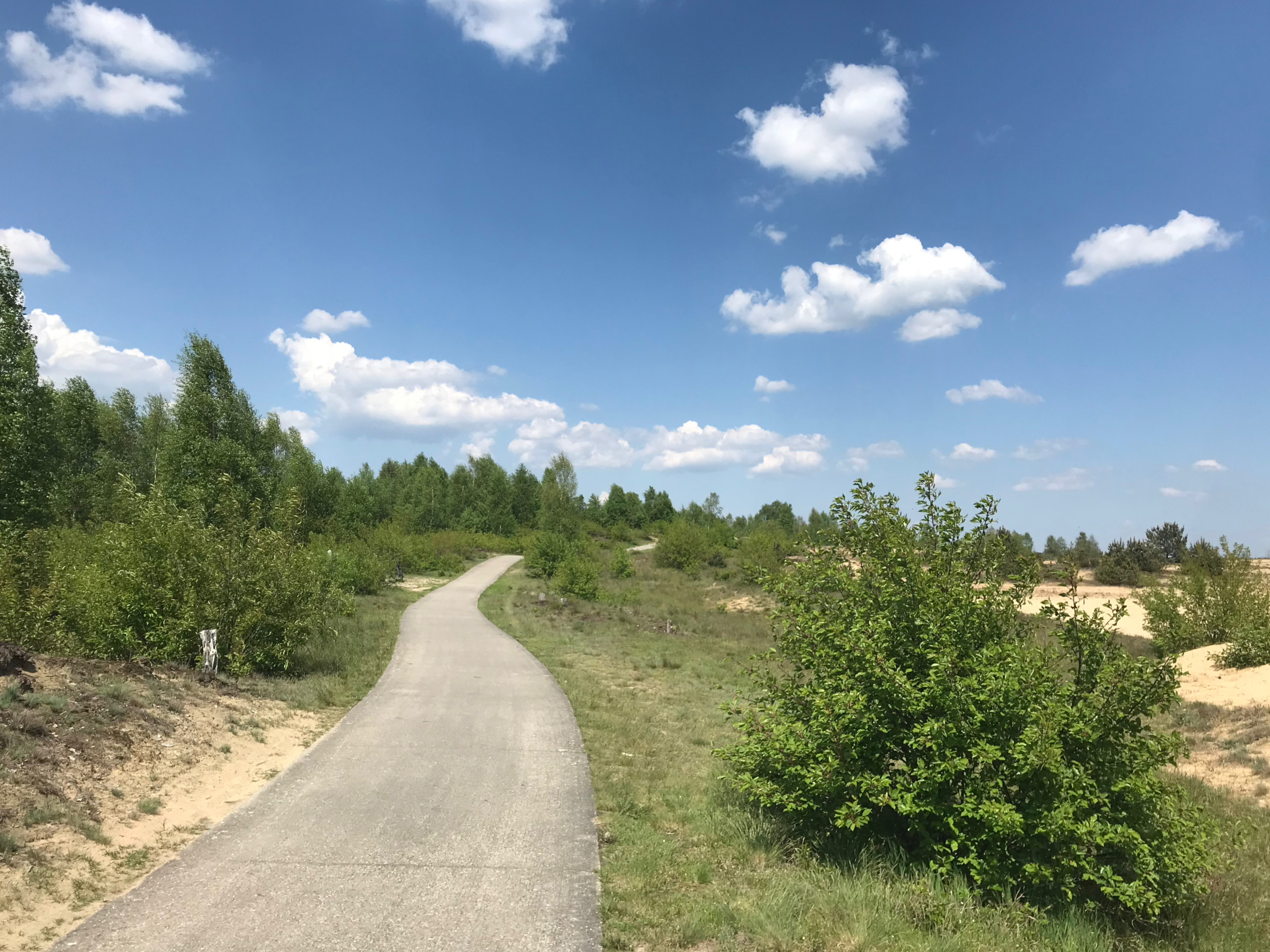
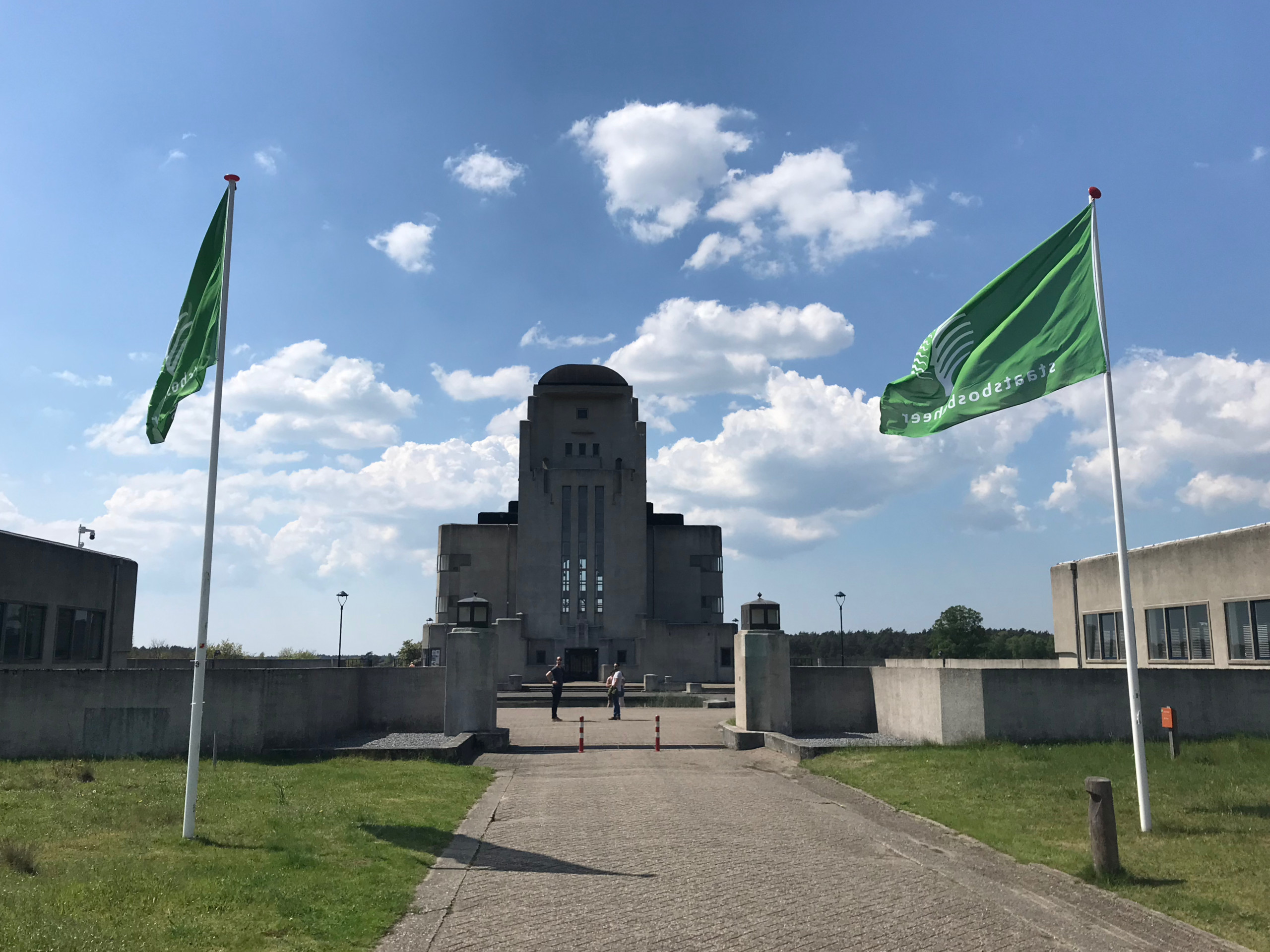
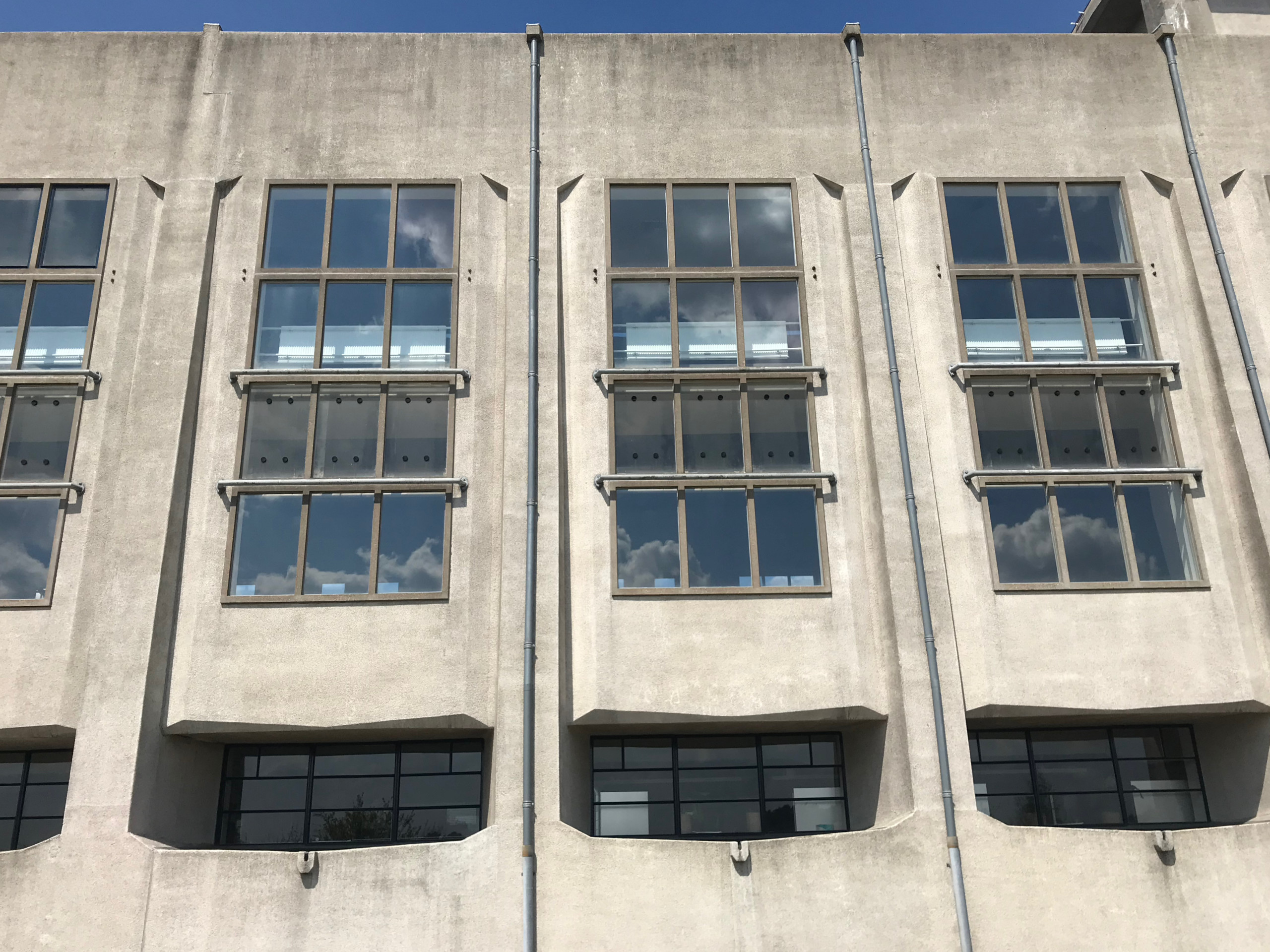
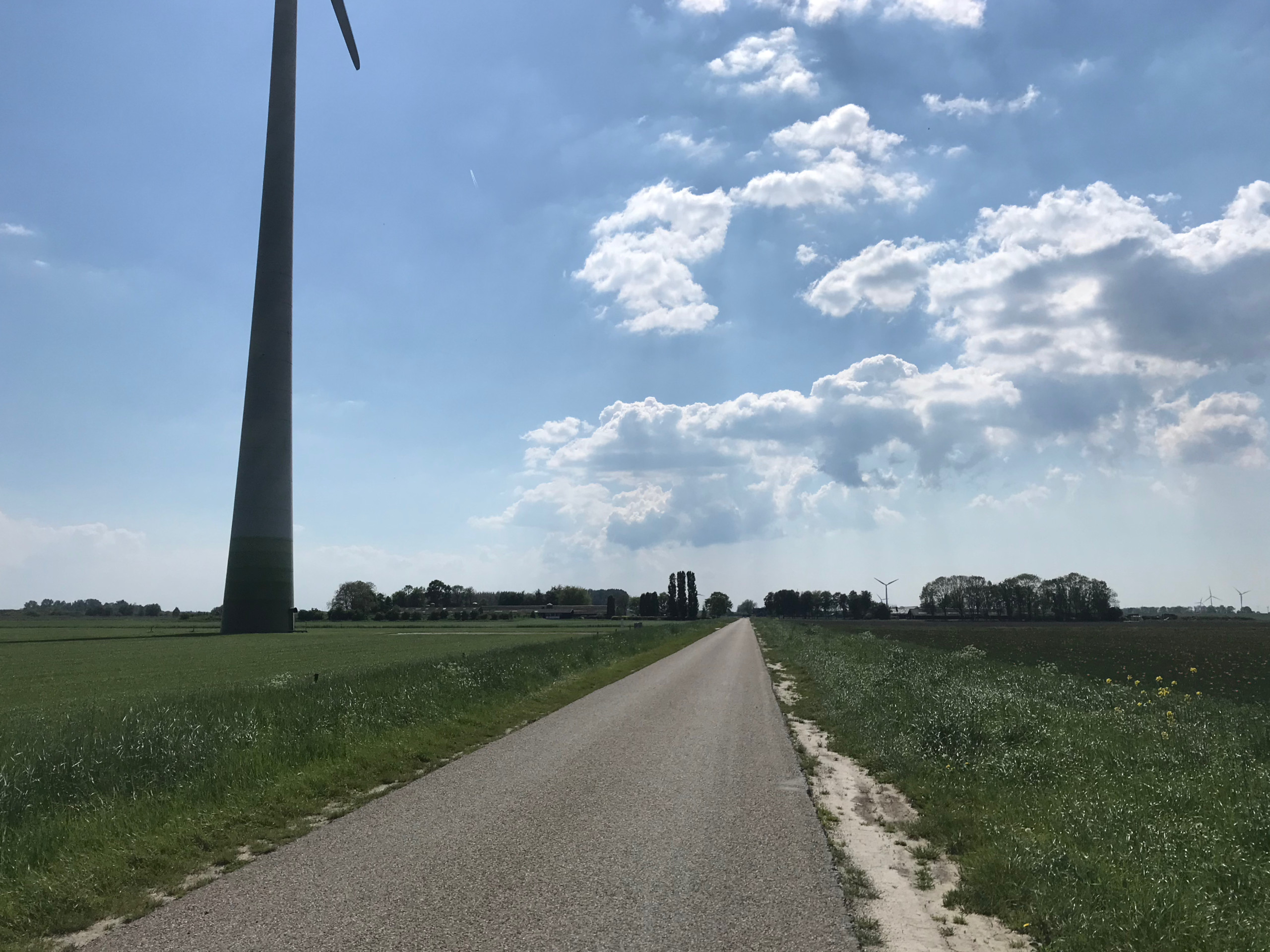
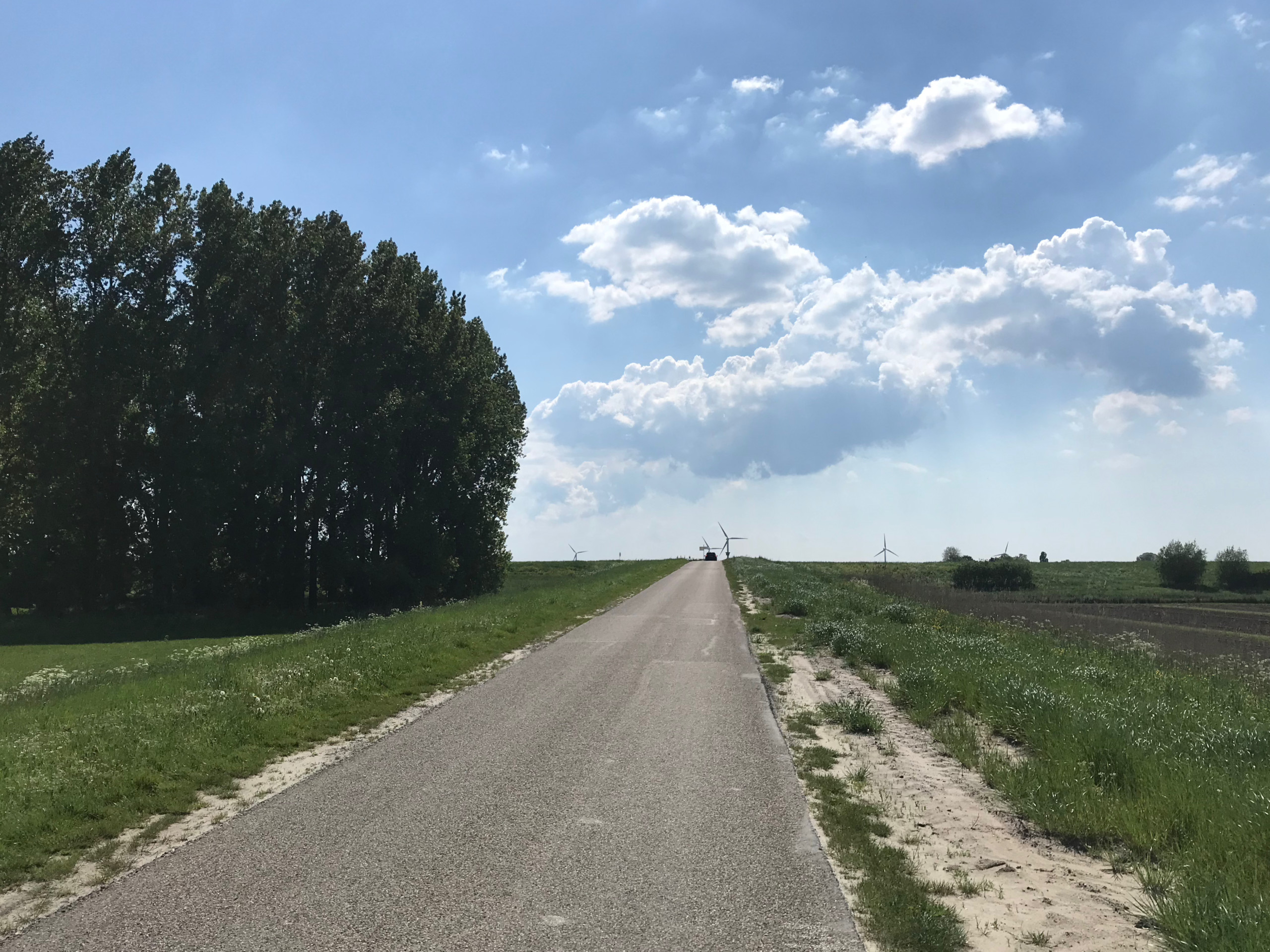
The railway bridge that brought me to Zwolle. Heading south I followed the IJssel in the direction of Zutphen. Taking the road up the dyke along the IJssel. Dutch mountains. A little idyll in Herxen. The houses are in the floodplain on a small elevation. Near Fortmond the IJssel makes a large bend. This little lake is in the floodplain. The chimney across the water belongs to the old brickworks. In Olst I took the ferry to Welsum and continued on the left bank. Sitting across the IJssel I enjoyed the view of Deventer. On the Voorsterklei looking back at pumping station Nijenbeek. Zutphen’s historic centre is really authentic. So it is hard to grasp why they built the generic flats on the left. Zutphen trying to be Berlin? Zutphen trying to be Rotterdam? Zutphen trying to outclass Deventer maybe? Horses grazing in Hall near Eerbeek. We live in Loenen aan de Vecht. The other Loenen has a waterfall which is worth visiting. Chat GPT thinks there are three Loenens, but it is wrong. The Beekberger ‘enk’. It is the name for the collection of fields that were reclaimed from the woods since the 17th century. The Ossenweg in Hoenderloo. A bit dry when you look right ... ... but not in front. The main building of Radio Kootwijk (‘Gebouw A’). An amazing architectural highlight of art deco signature by Julius Luthmann, built in 1923. The building resembles a church. The design was based on the Nauen Transmitter Station, but also inspired by the Egyptian sphinx. On one of the many straight roads in the Flevopolder. We are in the polder and the road goes up. How? Because this is a dyke: the Knardijk. Northeast is the first part of the Flevopolder that was drained in 1957. The southwestern part was drained in 1968.